
Last updated November 22, 2026
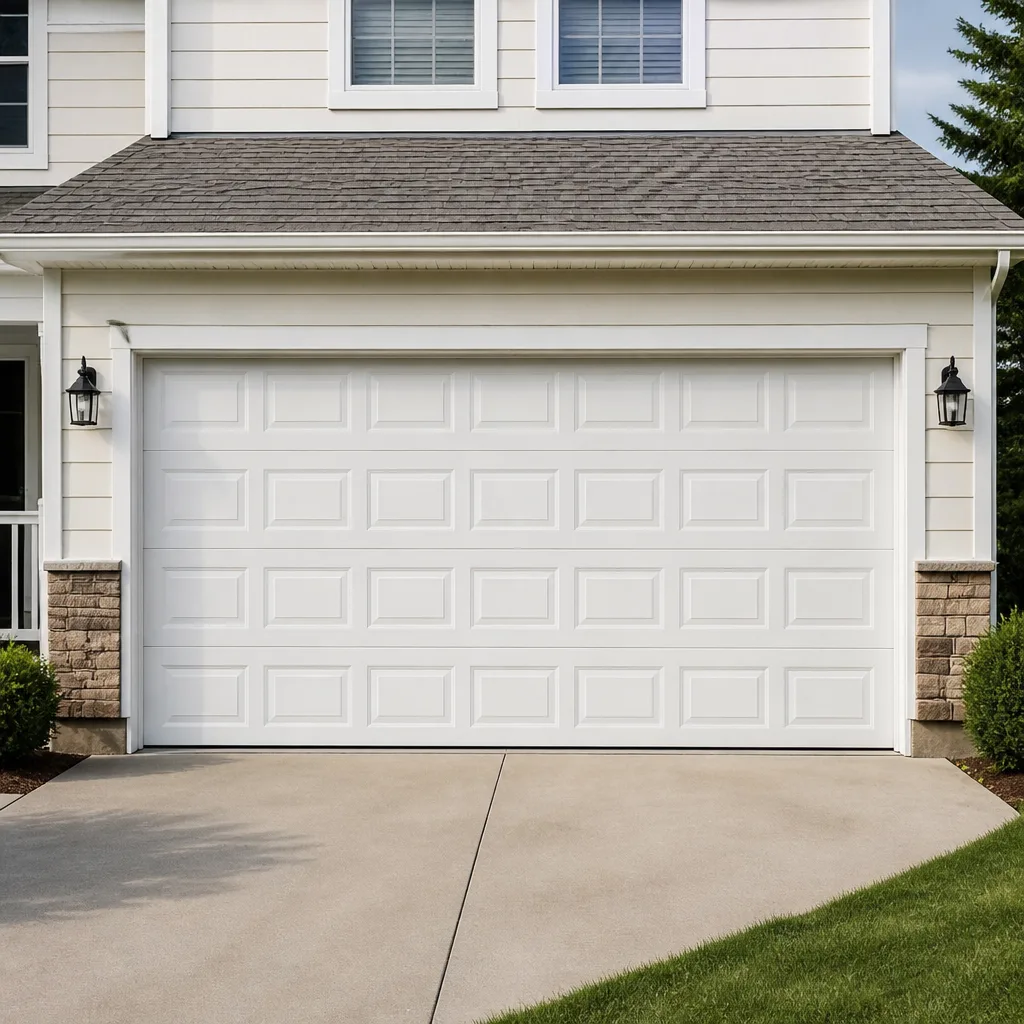 Raised-panel steel
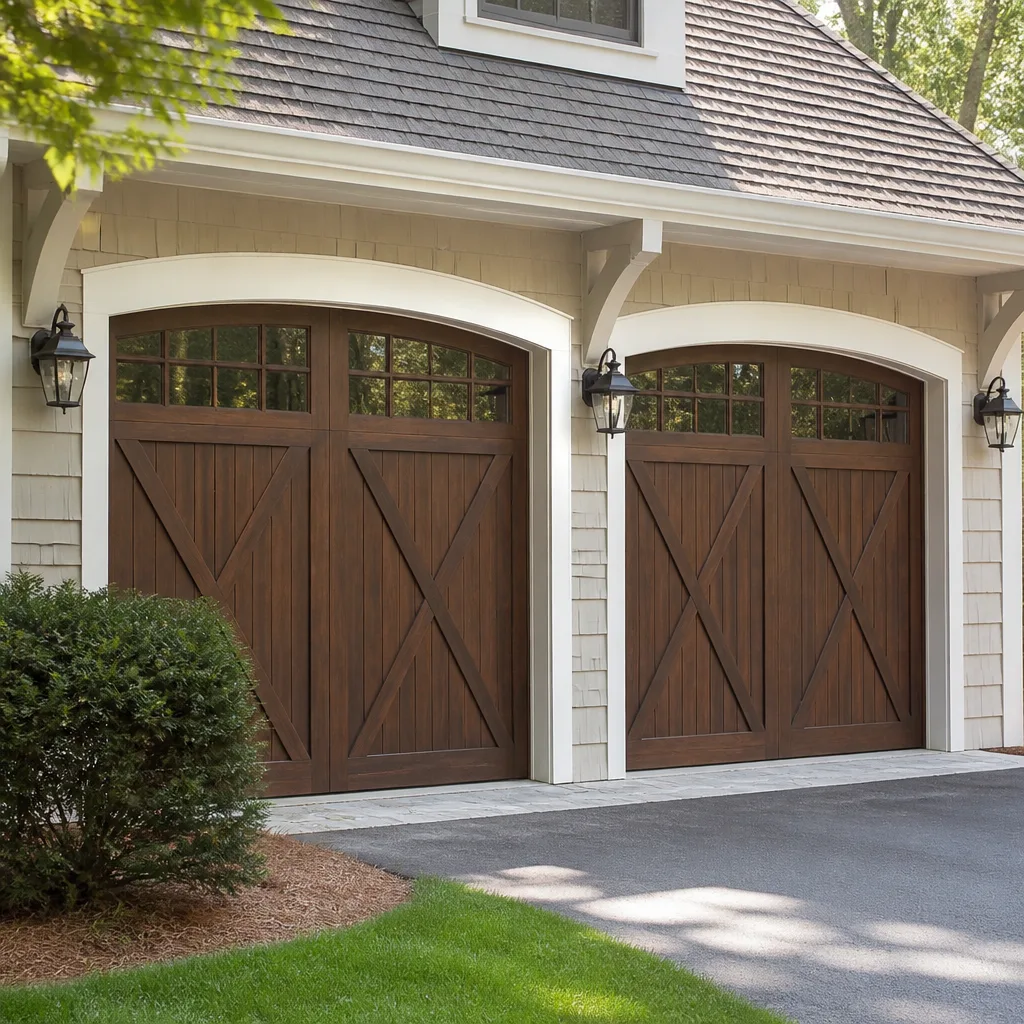 Carriage house
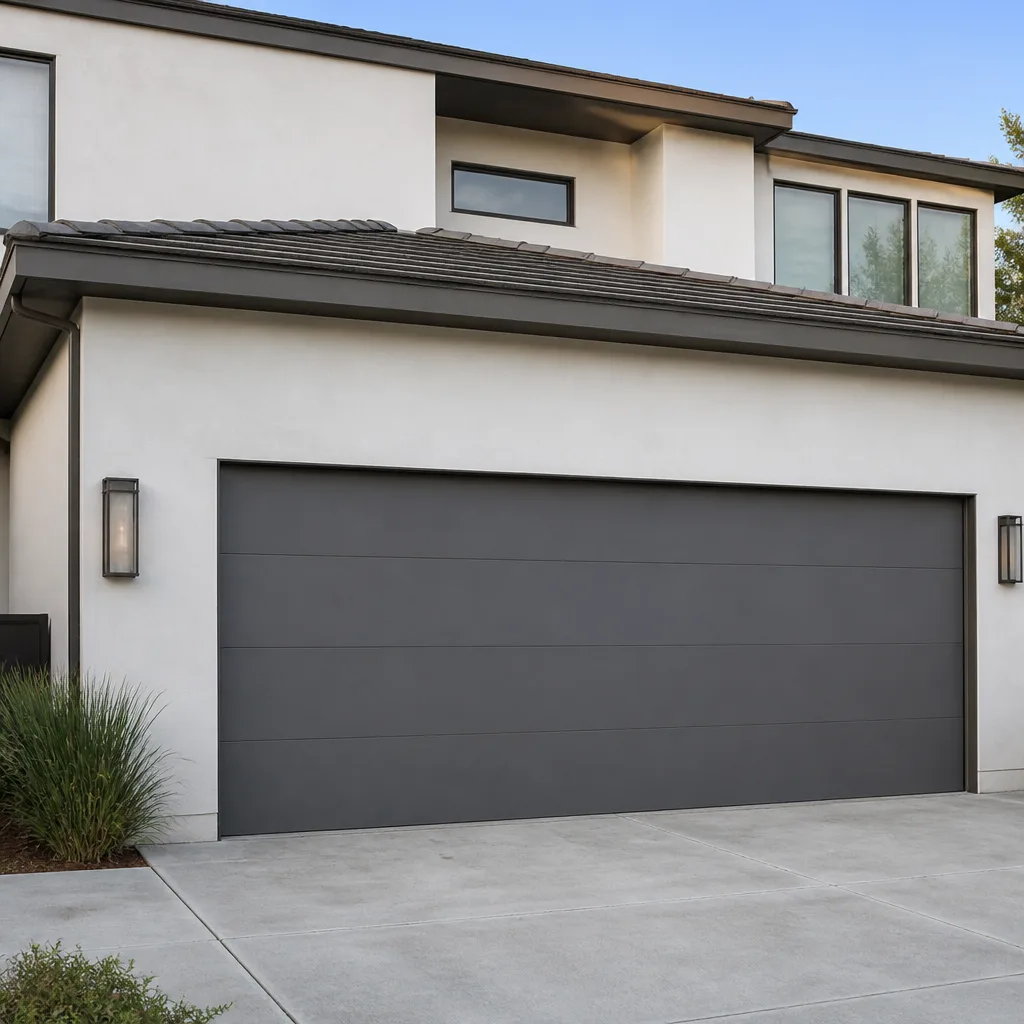 Modern flush
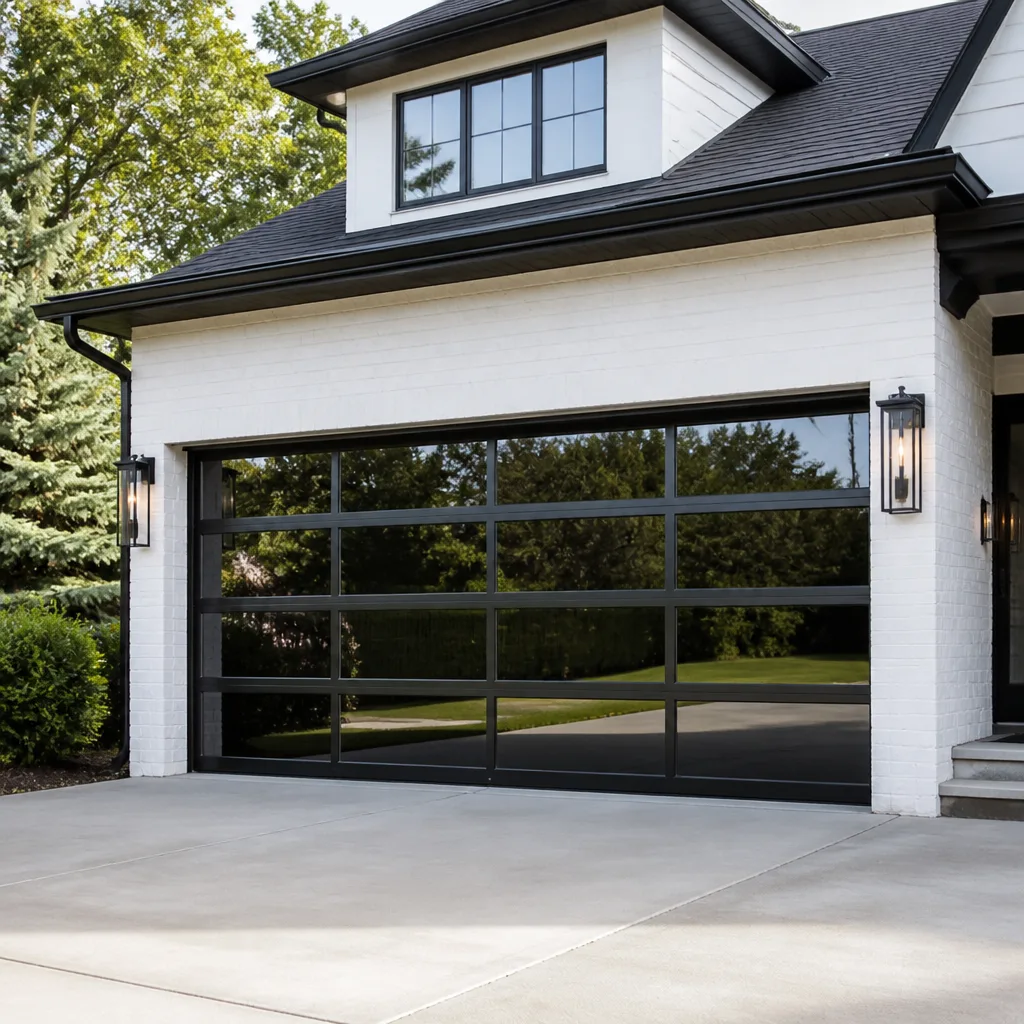 Full-view glass
 LiftMaster openers
 Chamberlain openers
Full 25-point door and opener safety check with every visit - springs, cables, rollers, tracks, and your LiftMaster or Chamberlain opener included
You get a price before we start. It does not change when the pro arrives.
Get your free estimateGarage Door Warning Signs: An Alexandria Homeowner’s Reference Guide
A garage door that’s suddenly slower than usual is not an opener problem as often as people assume. Much of the time, the opener is fine – its motor is simply working harder to push against increased mechanical resistance somewhere else in the system, usually a spring that’s losing tension or a roller binding in the track. That single fact reframes almost everything homeowners get wrong about warning signs. A grinding noise, a door that drifts down on its own, and a gap along one side look like three separate problems, but they’re often one failing component talking through three different symptoms. This guide teaches you to read those signs as a system rather than a checklist, so you can tell what’s cosmetic, what’s urgent, and what means stop using the door. We’ll cover Alexandria-specific situations too, from detached garages to high-cycle doors.
Quick Answer
The most reliable garage door warning signs are noises that weren’t there before, a door that moves slower or jerks, a gap along one side when closed, and a door that won’t stay balanced at the halfway point. Grinding or squealing usually points to rollers, tracks or spring tension; a door that reverses or won’t stay down points to sensors or springs. Any sign that involves a snapped spring, a frayed cable, or a door that drops on its own means stop using the door and call a professional.
Styles & brands we work with
- Raised-panel steel
- Carriage house
- Modern flush
- Full-view glass
- LiftMaster openers
- Chamberlain openers
Table of Contents
- Reading Your Door as a System, Not a List
- The Symptom-to-Cause Map
- The Balanced-Door Test: The One Test Worth Learning
- Opener Problem or Door Problem? The Manual Test
- “Schedule This Week” vs. “Stop Using the Door Now”
- Warning Signs in Alexandria Home Configurations
- What a Repair Actually Involves
- Heading Off Problems Before They Start
Reading Your Door as a System, Not a List
A garage door is a balancing act. The springs carry most of the weight, the opener supplies the push, and the tracks and rollers keep everything moving in a straight line. When one part starts to fail, the others compensate. That compensation is what you actually see and hear as a warning sign.
Take a door that’s gotten slower. If the spring has lost tension, the opener has to lift more of the weight than it was designed for. The motor strains, the door drags, and the whole thing sounds heavier. Swap the opener and the problem stays, because the spring was never the opener’s fault. We’ve seen this misdiagnosis repeatedly in Alexandria, where homeowners replace an opener board before anyone checks the spring tension.
This matters because warning signs rarely announce the part that’s failing. They announce the part that’s struggling to keep up. Learning to trace a symptom back to its likely source is the whole skill. It saves you from fixing the wrong thing, and it tells you when a problem is genuinely dangerous versus just annoying.
There’s a second reason to think in systems. Garage door components share load. A worn roller adds friction, friction strains the opener, the strain wears the drive gear, and the drive gear fails months later. Treat each sign in isolation and you’ll patch one part while the strain quietly migrates to the next. Read them together and you catch the chain early. That’s the difference between a small repair and a full system job, and it’s why a proper garage door repair visit starts with the whole door, not just the part you called about.
The Symptom-to-Cause Map
Here’s the practical core of the guide: a map from what you notice to what’s most likely causing it. This is a starting point for understanding, not a self-repair manual. Springs and cables are under extreme tension and should only be handled by a trained technician.
- Grinding or scraping: Most often worn rollers, a dry or misaligned track, or a torsion spring that’s losing tension. If the noise is rhythmic and speeds up with the door, suspect rollers. If it’s louder on the way up, suspect the spring or opener strain.
- Squealing or high-pitched squeak: Usually metal-on-metal friction at hinges, rollers or the torsion bar. Lubrication helps, but persistent squealing after lubing points to a worn part, not a dry one.
- Door moves slower than it used to: Increased mechanical resistance, most commonly spring tension loss or a binding roller. The opener is usually compensating, not failing.
- Door jerks or stutters: A binding track, a bent roller, or an unbalanced door. This is a “schedule service soon” sign because it accelerates wear on the opener.
- Uneven gap along one side when closed: A track out of plumb, a bent panel, or uneven spring tension. Gaps invite weather, pests and water into the garage.
- Door reverses before closing: Safety sensors blocked or misaligned, or a resistance problem the opener reads as an obstruction.
- Remote lags or works intermittently: Battery, interference, a failing logic board (common on certain LiftMaster and Chamberlain units as they age), or antenna issues. This is opener-side, not door-side.
- Loud bang from the garage: A torsion or extension spring has broken. Stop using the door.
Notice how many signs trace back to springs and rollers rather than the opener. That’s the pattern. When you can see it, you stop blaming the motor for problems the mechanical side created.
The Balanced-Door Test: The One Test Worth Learning
If you learn one diagnostic skill from this guide, make it this one. A balanced door is the single most useful thing a homeowner can check, because imbalance is the root of most opener strain, most premature wear, and most of the “my opener is dying” calls we get.
Here’s how it works. With the door closed and the opener disconnected (most openers have a manual release pull, usually a red handle), lift the door by hand about halfway and let go. A properly balanced door stays roughly where you put it, or drifts very slowly. If it slams down, the springs are under-tensioned. If it flies up, they’re over-tensioned. Neither is safe to adjust on your own – springs are the most dangerous component in the whole system, and adjusting them requires specialized tools and training. But checking the balance tells you exactly what kind of problem you have before you call anyone.
Why it matters so much: an unbalanced door forces the opener to lift weight it wasn’t designed to lift. That’s where the grinding starts, where the drive gear wears out, and where a $200 tune-up becomes a $700 opener replacement if you wait. Learning to feel that imbalance is how you catch the problem at the point where it’s cheap.
A word of caution. Never do the balance test with the door under opener power or while standing under a door that looks unsteady. If the door feels unstable, drops fast, or you see a frayed cable, stop and leave it to a professional. When the balance is off, spring repair done right is a job for a trained technician, and it’s the kind of work we handle specifically because it’s the most commonly botched repair in the trade.
Opener Problem or Door Problem? The Manual Test
Before you call anyone, you can narrow the problem to the opener side or the door side with one simple test. This tells you what kind of technician to ask for and what to expect.
- Disconnect the opener using the manual release handle. The door should now move by hand.
- Lift the door slowly by hand. Does it move smoothly, or does it bind, scrape or feel heavy in spots?
- Let it rest at the halfway point. It should hold roughly in place. If it falls or rises, the balance is off (a door-side problem).
- Listen as you move it. Grinding or squealing by hand means the friction is mechanical – rollers, tracks or hinges.
- Reconnect and run the opener. If the door moved smoothly by hand but struggles under power, the problem is opener-side. If it struggled by hand too, the door mechanics are the issue.
In our experience, most “the opener is broken” calls resolve to a door-side problem the opener was masking. The motor was doing its job; the door just got harder to move. That said, opener electronics do fail, and certain brands show predictable patterns – Genie drive systems and Craftsman logic boards both have their quirks as they age. If the manual test says the door moves cleanly but the opener still acts up, a dedicated garage door opener repair visit is the right call.
This test is safe for any homeowner to run, provided the door is stable and you never stand directly under it. If anything about the door feels unsteady, skip the test and call a professional.
“Schedule This Week” vs. “Stop Using the Door Now”
Not every warning sign is an emergency, but treating them all the same wastes money on one end and risks injury on the other. Here’s the line between a sign to book service for and a sign to stop using the door immediately.
Stop using the door now if you notice:
- A broken spring (usually a loud bang, and the door suddenly very heavy)
- A frayed or snapped cable (visible strands or a loose wire hanging)
- A door that drops or falls on its own
- A door that comes off its track or hangs crooked
- Visible separation of the door from its hinges or brackets
These involve high-tension components or structural failure, and running the door risks injury and makes the repair worse.
Schedule service this week if you notice:
- New grinding or squealing that wasn’t there before
- A door that’s noticeably slower or jerks on the way up
- An uneven gap along one side when closed
- A remote that lags but still works
- A door that fails the balance test but still opens
These are “the system is compensating” signs. You have some time, but not much – the wear accelerates, and waiting tends to turn a repair into a replacement.
One more category: signs that mean “fix it when convenient.” Cosmetic dents, a slightly noisy roller, a remote battery. Handle these on your own schedule. The point of the distinction is that you fix the right things at the right urgency instead of treating a squeak like a catastrophe or a snapped spring like a squeak. If a door is trapping a car or leaving the house unsecured, that’s an emergency, and it’s exactly the situation our emergency service is built for.
Warning Signs in Alexandria Home Configurations
Alexandria’s housing stock creates its own patterns of garage door wear, and certain configurations show warning signs earlier or differently than others. Knowing yours helps you read the signs that matter most.
Detached garages with temperature extremes. A detached garage in Alexandria takes the full swing of the seasons – hot, humid summers and cold winters – without the moderating effect of a shared wall. That temperature cycling works on springs and lubricants. Springs can lose tension faster, and grease that thins in summer heat or stiffens in winter cold makes rollers and hinges grumble. If your detached garage door gets noisier twice a year, that’s the cycle talking, and it’s worth a tune-up at the season change.
Old tracks on remodeled homes. When a house gets remodeled, the garage often keeps its original track and hardware while everything else is updated. Old tracks go out of plumb, and a door running on a tired track binds and strains. If you’ve remodeled recently and the door has gotten noisier since, suspect the track alignment, not the opener.
High-cycle doors in multi-car households. A two- or three-car household can cycle the same door dozens of times a day. High-cycle use wears springs, rollers and opener gears proportionally faster. A door that gets heavy use shows warning signs earlier, and the balanced-door test is worth running a few times a year if you’re a busy household.
Alexandria’s mix of older homes and newer builds means door hardware spans decades. A Raynor or Wayne Dalton door from an older home ages differently than a newer installation, and the signs to watch for shift with the hardware. Familiarity with the specific brand and model is half of reading the door correctly, which is why we work across the major brands this area actually has.
What a Repair Actually Involves
Understanding what a repair looks like helps you interpret the warning signs before you call, because the repair scope follows directly from which part was failing.
Rollers and hinges come first when the sign is grinding. A technician checks each roller, replaces the worn or bent ones, lubricates the hinges, and realigns the track. This is usually the least invasive repair and prevents the friction that strains the opener. Left alone, worn rollers wear out the opener gear, which is the more expensive fix that follows.
Springs follow when the sign is imbalance, a slow door, or a bang. Spring replacement means matching the right spring to the door’s weight and balancing the door after the swap. It requires specialized winding tools and training because the springs hold extreme tension. This is the job most worth leaving to a professional, and it’s a service we treat as a named specialty for exactly that reason.
Track realignment comes with a gap or a jerking door. A binding track is straightened or replaced so the door travels cleanly. This often pairs with the roller work.
Opener repair follows when the manual test clears the door but the opener still misbehaves. Logic boards, drive systems and safety sensors get diagnosed and repaired, and brand familiarity matters here because the failure patterns differ across brands.
Panel or full door replacement comes up when a bent or damaged panel can’t be safely straightened, or the door has aged past repair. If a repair reveals a deeper problem, a full garage door installation stays with the same team, which is why we handle repair through installation rather than handing you to a second company. Every job is quoted and agreed before work starts, so you know the scope before anyone touches the door.
Heading Off Problems Before They Start
Most of what shows up as a warning sign is the result of a part that aged without anyone noticing. A regular once-over catches those before they turn into a repair. Here’s the routine we suggest for Alexandria homeowners.
- Run the balanced-door test a few times a year. Imbalance is the earliest sign you can catch.
- Lubricate moving parts – rollers, hinges, the torsion bar – with a proper garage door lubricant. Dry or squeaky metal is the first friction sign.
- Listen for new noises. A sound that wasn’t there last month is the cheapest warning sign to catch because it usually means the fix is still small.
- Look at the gap along each side when the door is closed. A new gap means the track or panels have shifted.
- Test the safety sensors by passing an object through the beam while the door is closing. It should reverse. A sensor that doesn’t reverse is a safety problem.
- Watch the door move from a safe spot. Jerking, stuttering or a sudden change in speed all mean the system is straining.
This routine takes a few minutes and catches the signs while they’re still small. It’s also how you build a feel for what’s normal on your own door, so you notice fast when something’s off. For the underlying service, Garage Door Repair Alexandria Pros keeps the whole checkup and repair in the garage door lane – no divided attention across other trades.
Common Mistakes to Avoid
- Replacing the opener when the door is the problem. If the door is heavy, jerky or unbalanced, a new opener inherits the same strain and wears out early. Run the balance test before you buy hardware.
- Ignoring a slow door as “just getting old.” A door that slows gradually is losing spring tension, and the delay strains the opener every cycle. Aging isn’t the cause; imbalance is.
- Treating a snapped spring as a DIY job. Springs hold extreme tension and can cause serious injury. Never attempt spring replacement or adjustment yourself – this is the most dangerous part of the whole system.
- Skipping the seasonal check on a detached garage. Alexandria’s temperature swings work on detached garages harder, and a missing seasonal look lets small friction turn into a repair. Check it at the season change.
- Assuming old tracks on a remodeled garage are fine. Remodels often leave the original track in place, and out-of-plumb tracks bind the door silently. Have the alignment checked if the door got noisier after a remodel.
- Waiting on a jerking door. Jerking means binding, and binding accelerates wear on the opener. Fix the friction before the motor pays for it.
- Confusing opener brand quirks with failure. A lagging remote on an older LiftMaster or Chamberlain unit is often a battery or interference issue, not a dead opener. Test the small things first.
See the difference
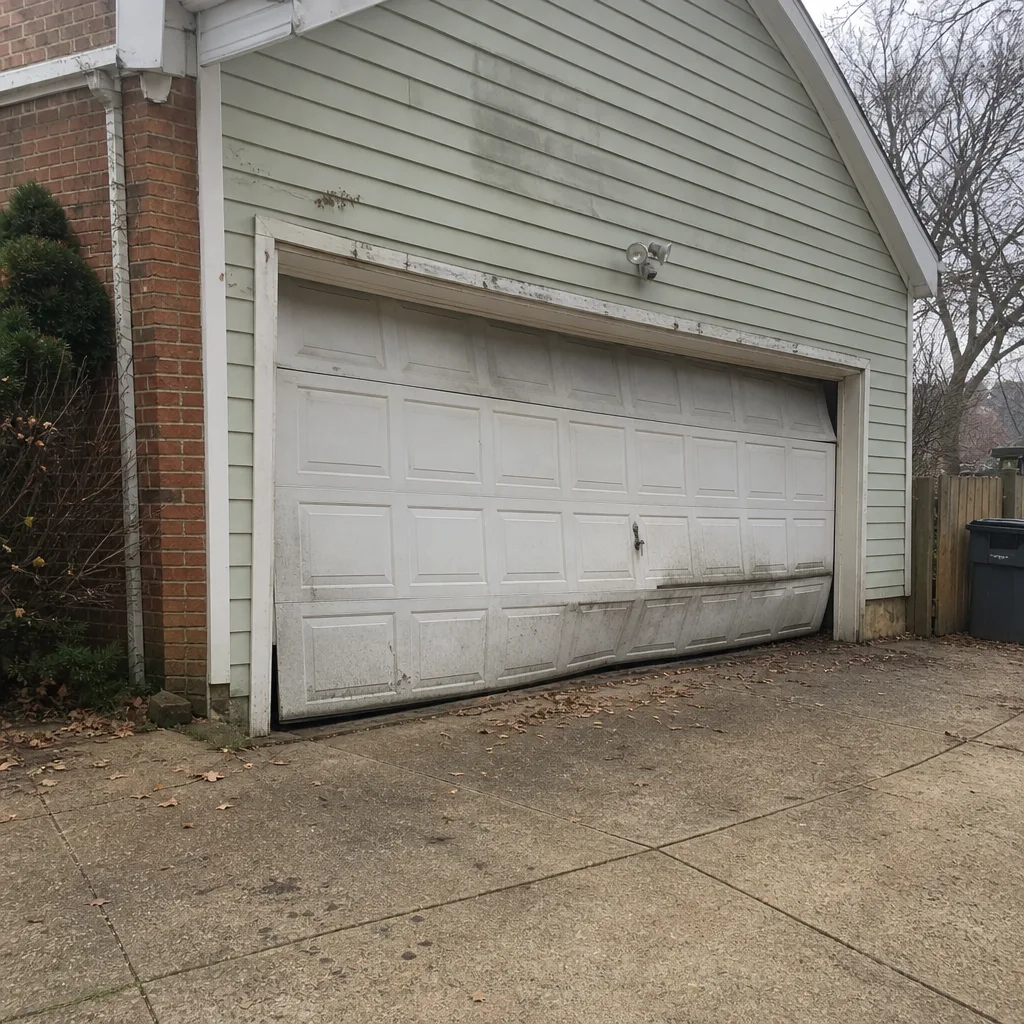 Before
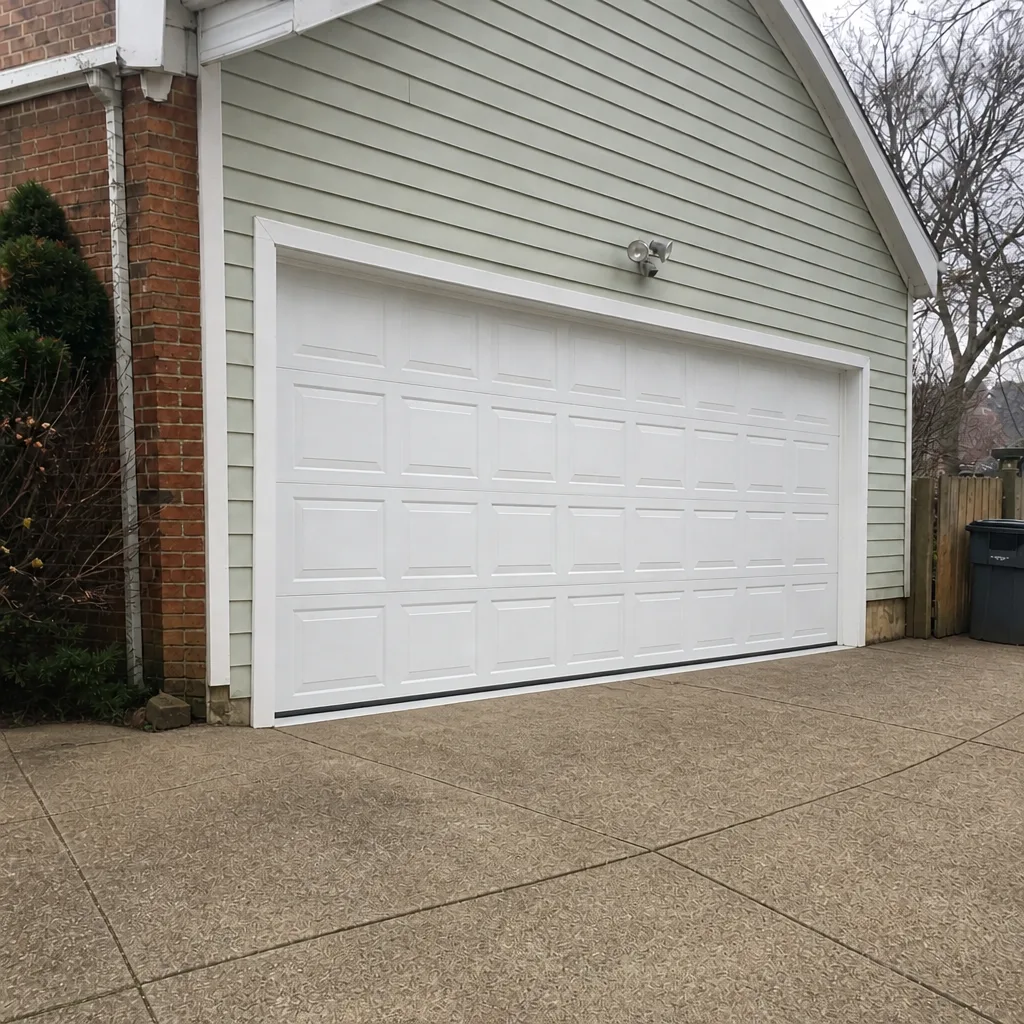 After
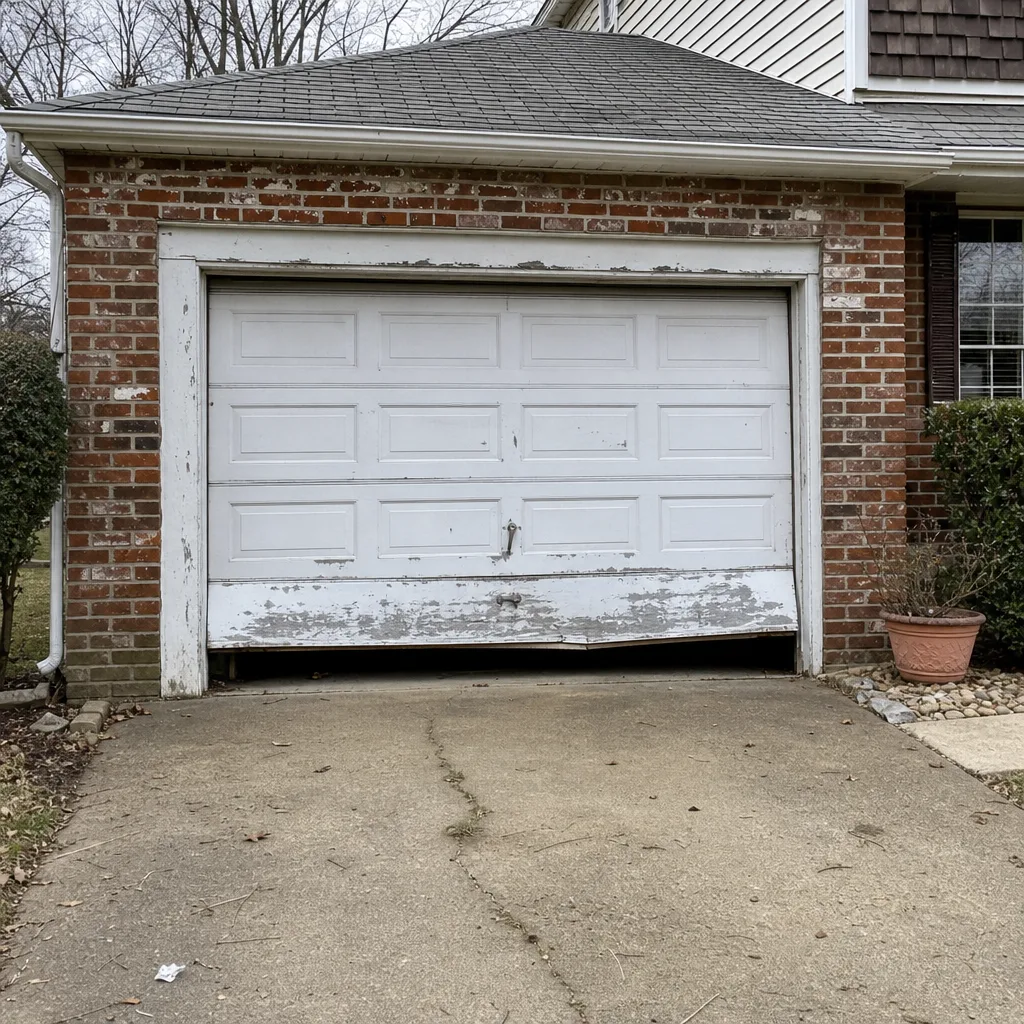 Before
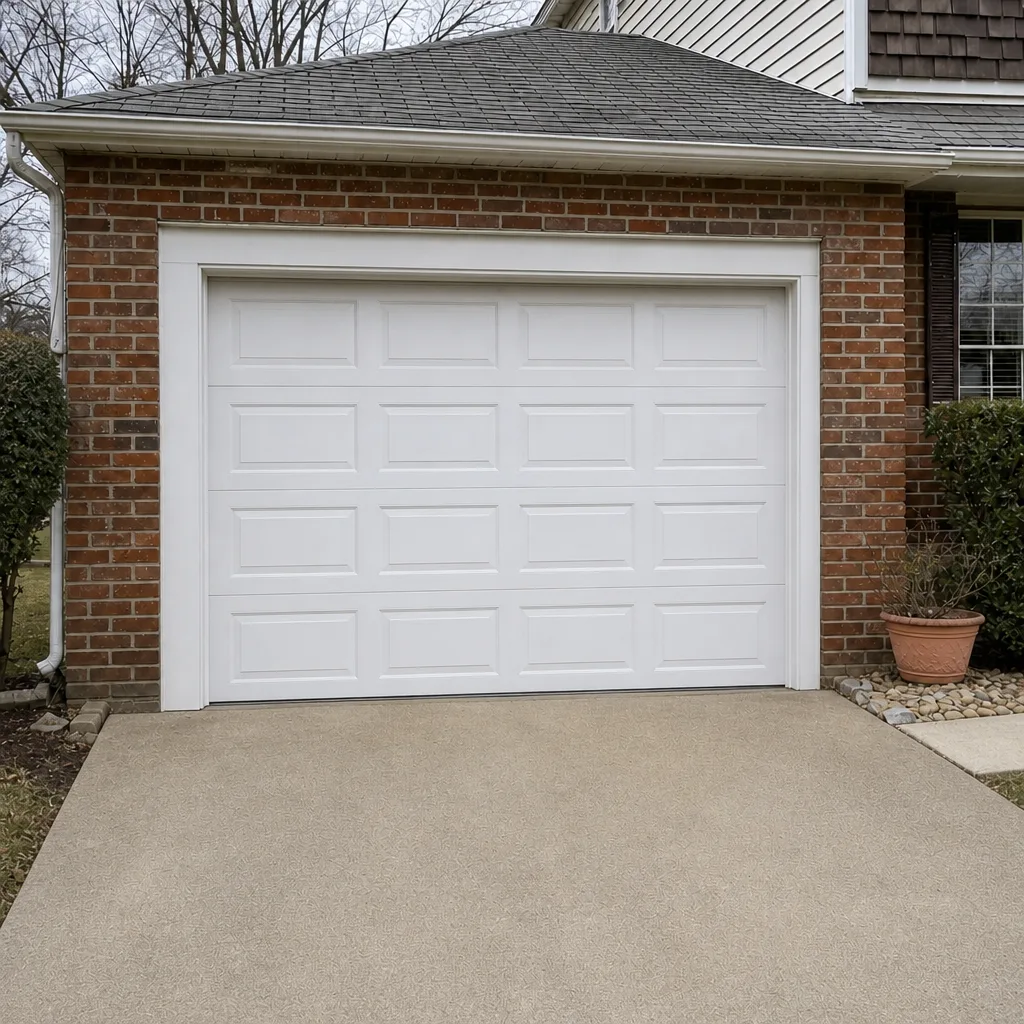 After
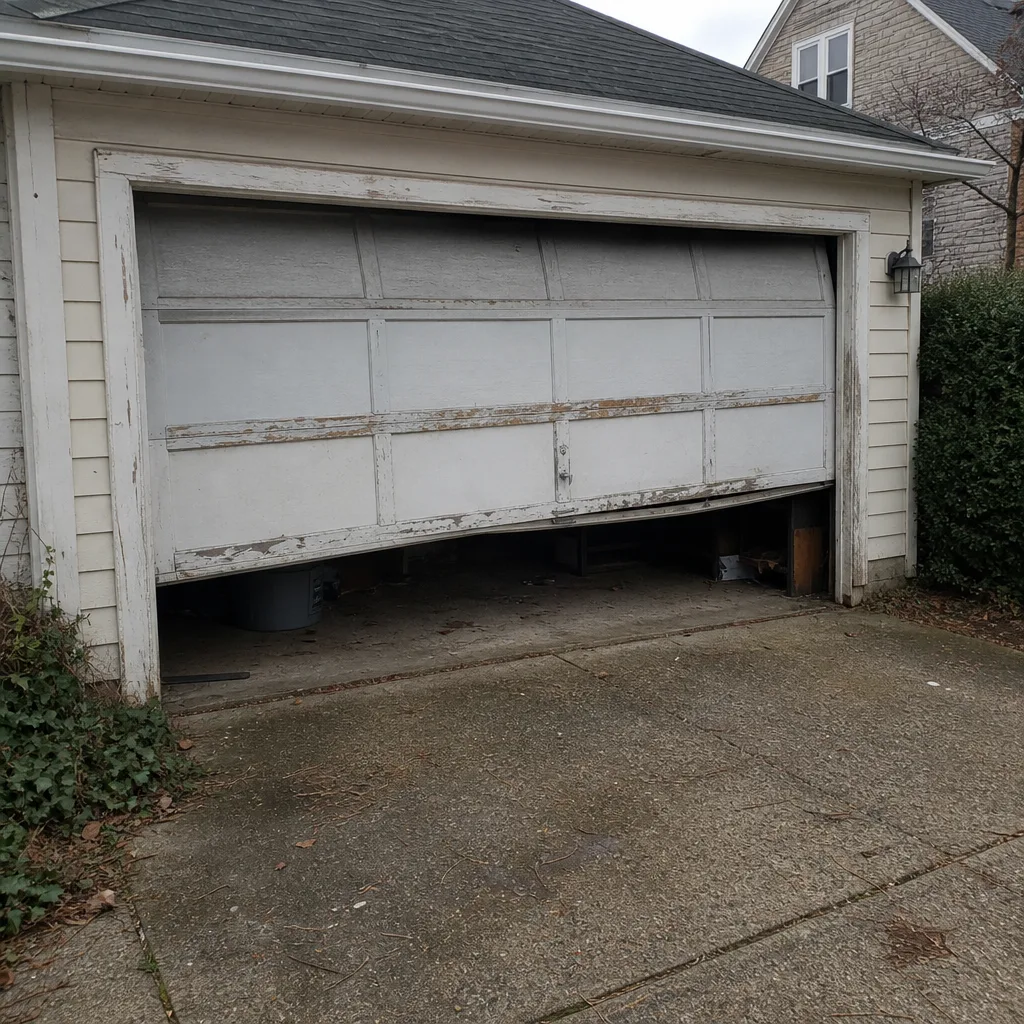 Before
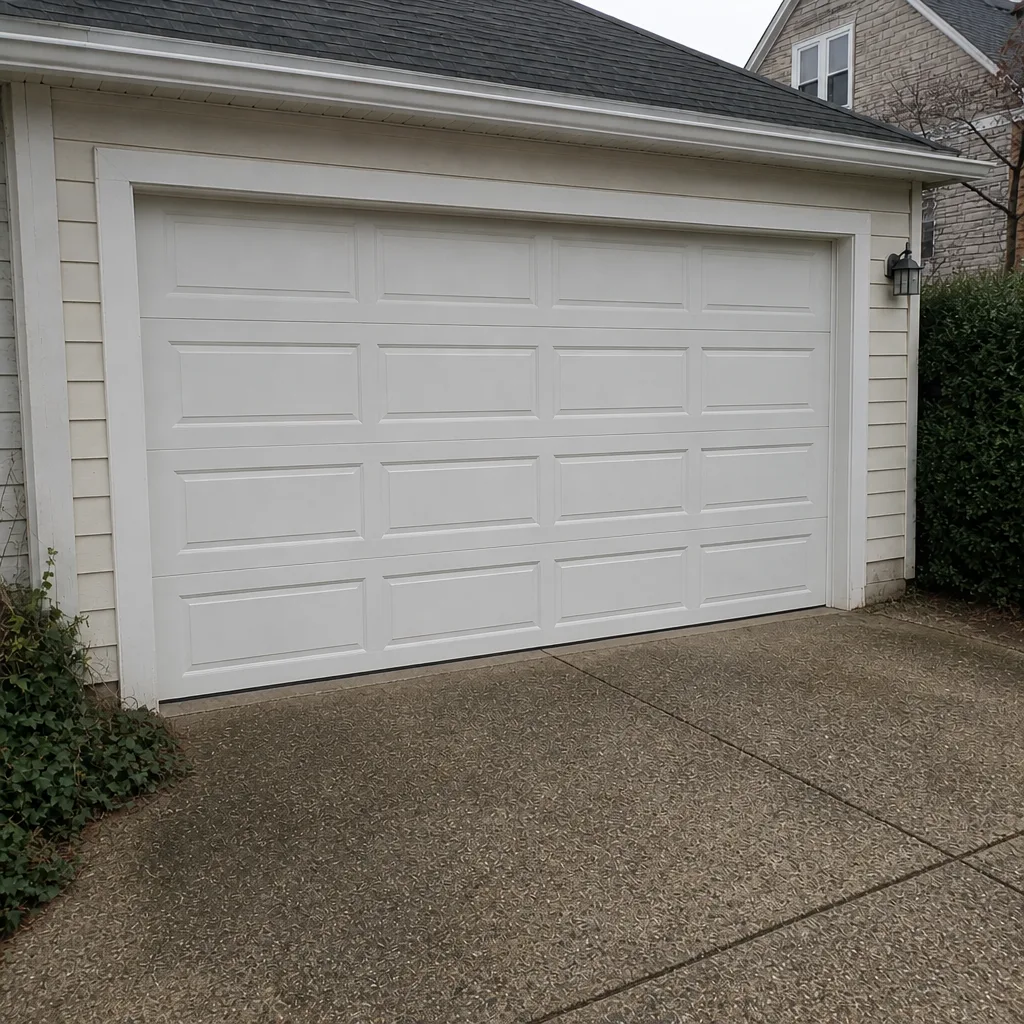 After
When to Call a Professional
Call a professional any time the sign involves a snapped spring, a frayed cable, a door that falls on its own, or a door that hangs crooked. Those are stop-using-the-door situations with real injury risk, and no homeowner should be under that door. Call this week if the door is slow, jerky, noisy or showing a gap – those signs are the system compensating, and they get more expensive the longer you wait. If the manual test clears the door but the opener still misbehaves, that’s a technician’s call too, especially if you have a brand-specific unit.
Garage Door Repair Alexandria Pros offers free estimates in Alexandria – call (833) 508-9704. We answer 24/7. Fast dispatch from 7am to 7pm, Sunday through Friday. Our technicians have up to 14 years of experience and work on LiftMaster, Chamberlain, Genie, Clopay, Amarr, Wayne Dalton, Craftsman and Raynor hardware every week.
Frequently Asked Questions
A spring losing tension or a roller binding, not a failing opener. The opener is usually working harder to compensate for increased resistance elsewhere. That’s why the balance test is the first thing to run before assuming the opener needs replacing.
New noise is the signal, not any particular sound. Grinding and scraping suggest rollers or spring tension; squealing suggests friction; loud banging means a spring broke. Any noise that wasn’t there last month is worth a check, and a bang means stop using the door.
No. Garage door springs hold extreme tension and can cause serious injury if handled without the right tools and training. Spring repair is the job most commonly botched by homeowners, and it’s worth leaving to a trained technician every time.
Configuration and use. Detached garages in Alexandria take harder temperature swings, older tracks on remodeled homes bind sooner, and high-cycle doors in multi-car households wear faster. The same sign can show up years apart depending on your setup.
It’s usually opener-side, not door-side. Battery, interference, antenna or a logic board are the likely causes. Run the manual test to confirm the door itself moves cleanly, then have the opener looked at if it persists.
It depends on what’s causing the sign, and the price is set per job by a written estimate, so there’s no flat number. A roller and tune-up job costs less than spring replacement or opener repair. Call (833) 508-9704 for a free estimate – estimates are free.
No. The written estimate sets the price, and it’s quoted and agreed before any work starts. If a repair reveals a deeper problem, you’ll see the new scope and agree to it before it’s done, so the invoice matches the quote.
The local professionals we connect you with are licensed and insured as their state requires. We can work with your insurer if a repair involves a claim. Call (833) 508-9704 for an exact quote.
The Bottom Line
Garage door warning signs make sense once you stop reading them as a list and start reading them as a system. Most “opener problems” are really the opener compensating for a door that got harder to move, and the balanced-door test tells you which side is failing. Separate the stop-using-it signs – snapped spring, frayed cable, falling door – from the schedule-this-week signs – new noise, slow door, uneven gap, jerking. Know your configuration, because detached garages, old tracks and high-cycle doors in Alexandria show wear differently. Catch the small signs early and the repair stays small. When you’re ready, call (833) 508-9704 for a free estimate on any repair in Alexandria.
Written by the team at Garage Door Repair Alexandria Pros.