
Last updated November 22, 2026
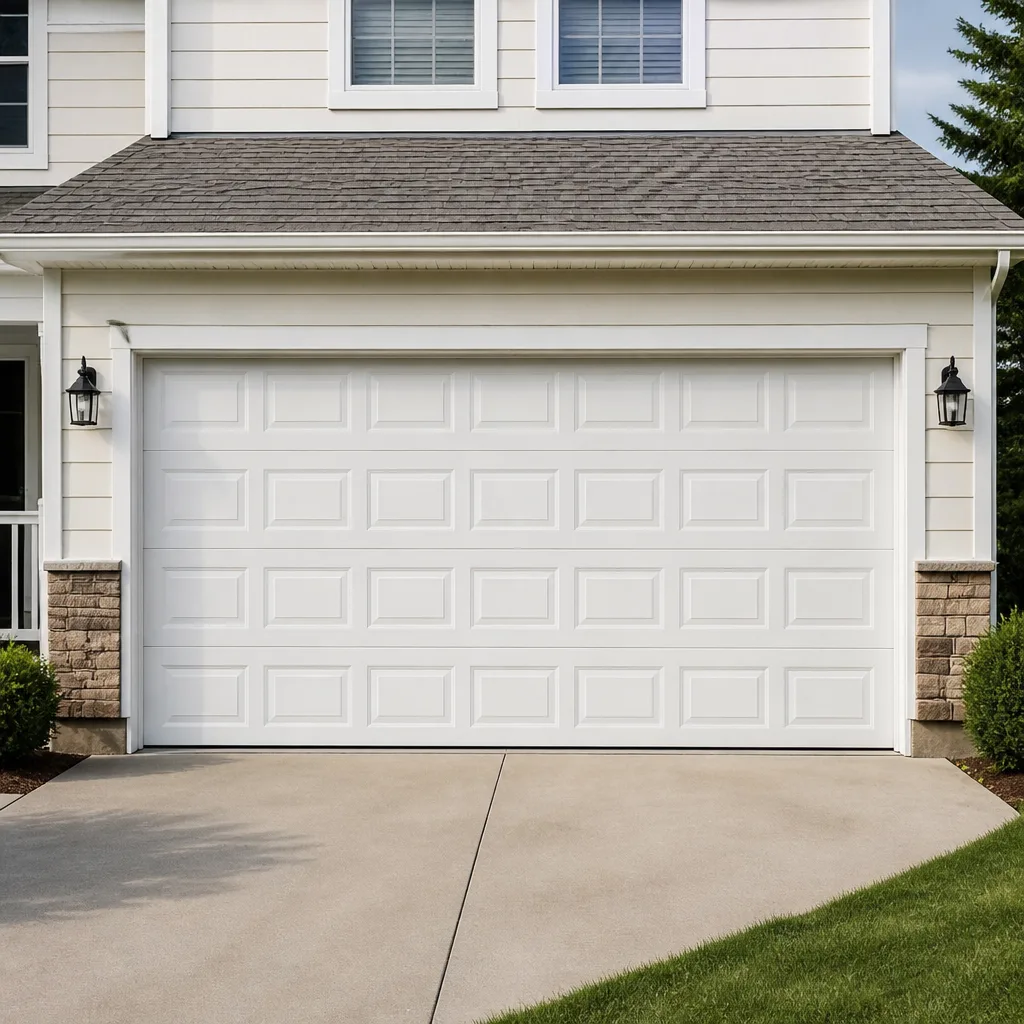 Raised-panel steel
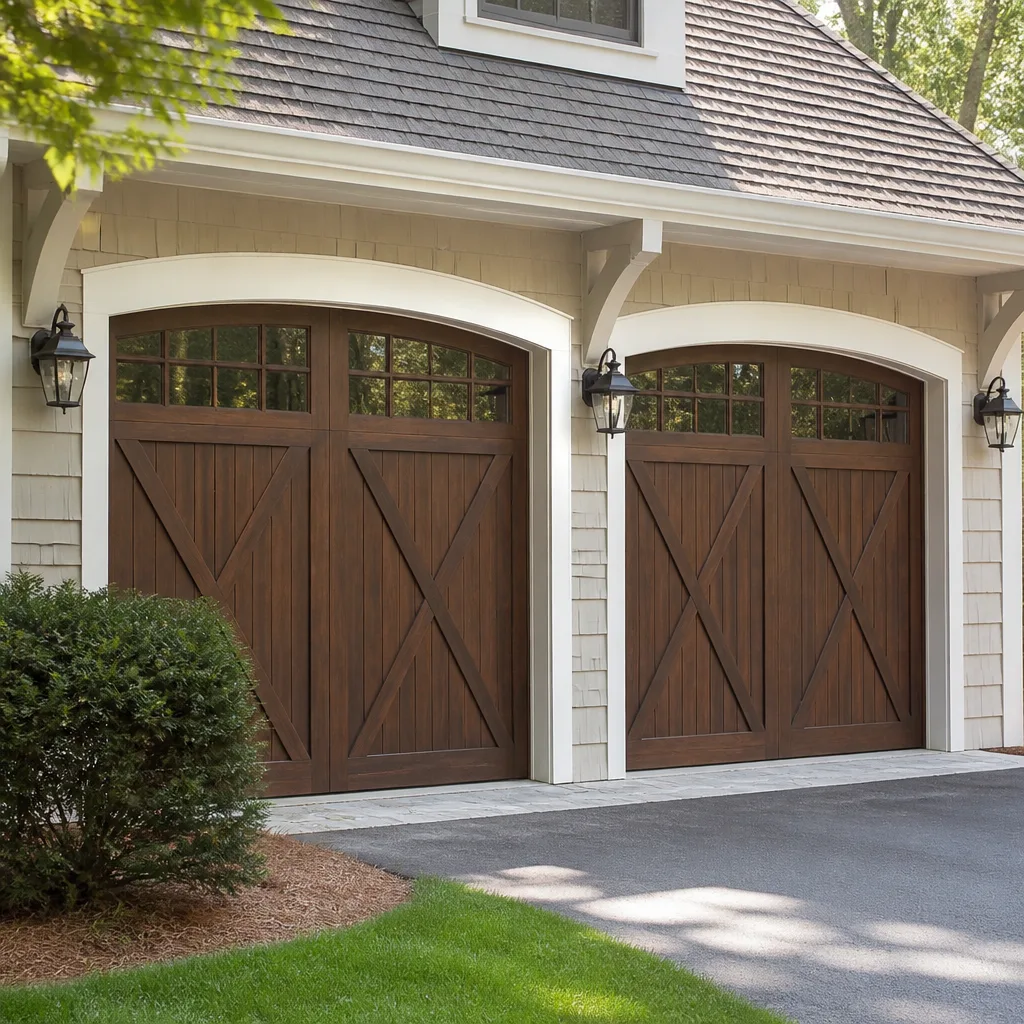 Carriage house
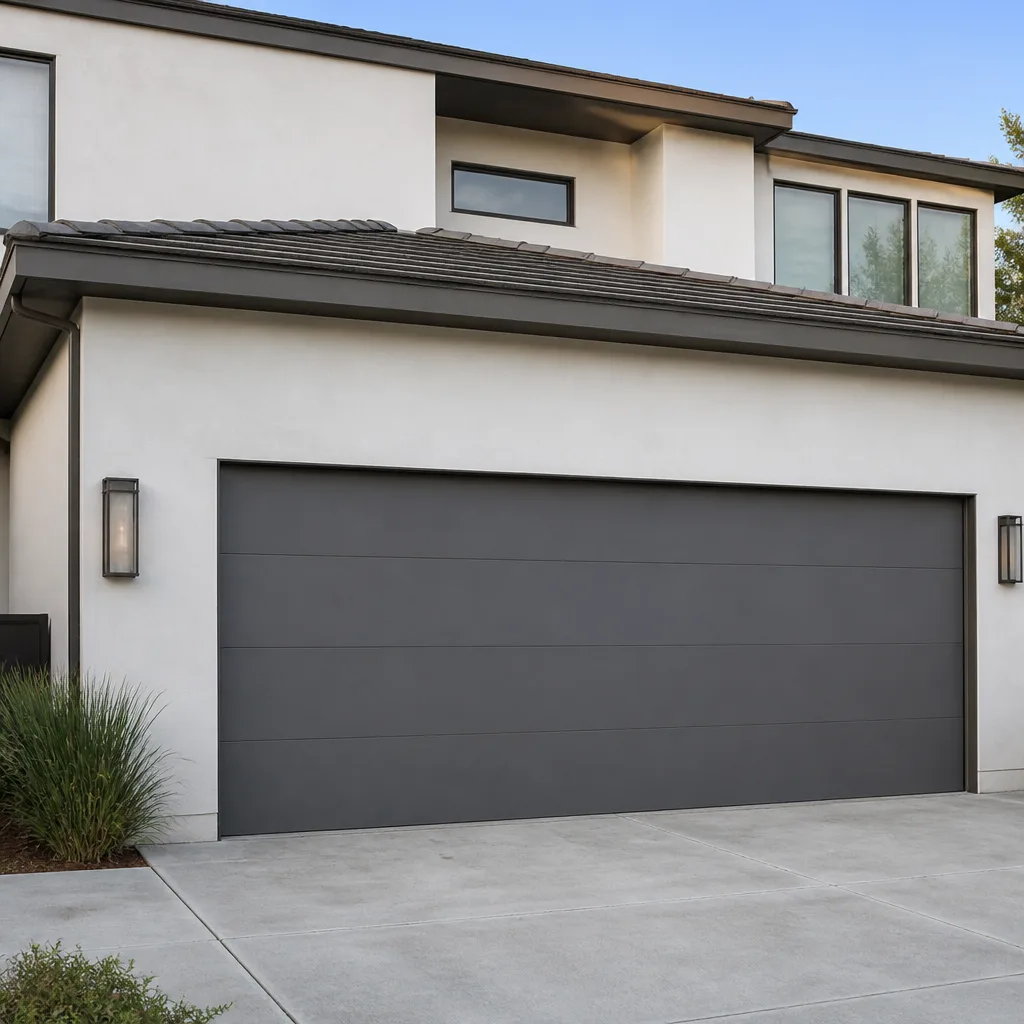 Modern flush
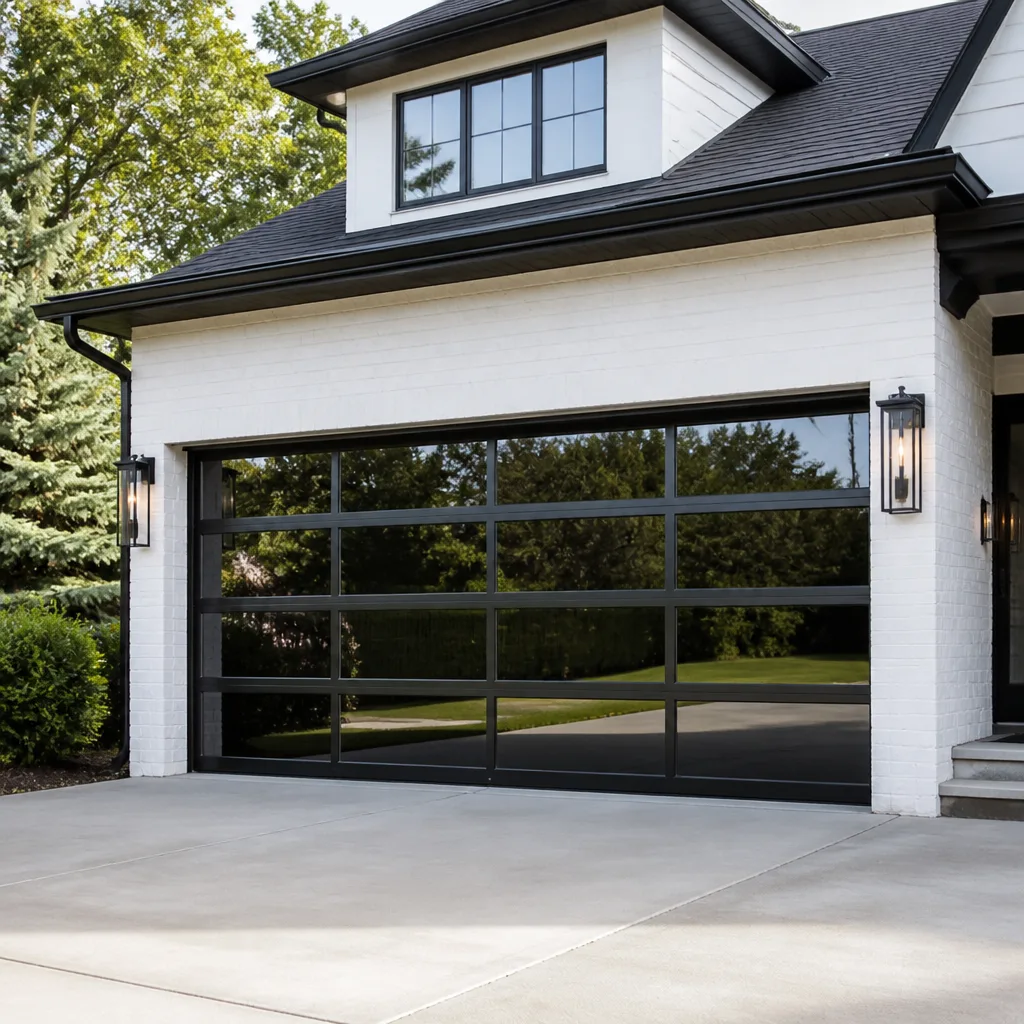 Full-view glass
 LiftMaster openers
 Chamberlain openers
Full 25-point door and opener safety check with every visit - springs, cables, rollers, tracks, and your LiftMaster or Chamberlain opener included
You get a price before we start. It does not change when the pro arrives.
Get your free estimateThe Complete Guide to Garage Doors in Alexandria
Most Alexandria homeowners assume Virginia building code is the final word on what garage door they can install. It usually isn’t. In Old Town and across the city’s HOA-governed communities, the architectural guidelines set by your association or historic review board are the binding constraint – and a door that passes every inspection can still draw a violation notice and a fine before the installer’s van clears the driveway. This guide maps the whole picture: how Alexandria’s historic overlay and HOA rules shape your options, which materials and insulation ratings hold up to Northern Virginia’s humidity swings, where city permits end and Fairfax or Arlington rules begin, and how to match a replacement door to the opener you already own. By the end, you’ll know what to check before you buy, not after.
Quick Answer
In Alexandria, the right garage door is the one that satisfies three layers at once: your HOA or historic district guidelines, Virginia’s building and safety requirements, and your home’s actual climate and structural needs. Most buying mistakes here come from choosing a door style before checking the first layer. Confirm your HOA’s approved colors, materials, and window configurations first, then match the door to your home’s architecture and your opener system. When repair is the smarter call than replacement, garage door repair is usually faster and less expensive than a new door.
Styles & brands we work with
- Raised-panel steel
- Carriage house
- Modern flush
- Full-view glass
- LiftMaster openers
- Chamberlain openers
Table of Contents
- How Alexandria’s Historic District and HOA Rules Shape Your Door
- The Five Door Materials Mapped to Alexandria Home Styles
- Insulation and Humidity: What Actually Works in Northern Virginia
- Alexandria City Permits vs. Fairfax and Arlington Requirements
- The Five Main Garage Door Types, Explained Plainly
- Cross-Referencing Your Opener Before You Buy a Door
- Repair vs. Replace: How to Decide
- A Maintenance Routine That Fits Alexandria Weather
How Alexandria’s Historic District and HOA Rules Shape Your Door
Alexandria’s architectural review process is the part of a garage door project that surprises people most. In the Old Town historic district, exterior changes – including a new garage door – typically require review by the Board of Architectural Review before work begins. The review looks at material, color, panel style, and whether the door’s appearance fits the block. A modern full-view glass-and-aluminum door that looks sharp in a catalog can be rejected outright on a historic street.
HOAs add their own layer on top. Many Alexandria communities publish architectural guidelines that list approved door colors, restrict window configurations, and require pre-approval before installation. The order of operations matters:
- Get your HOA’s architectural guidelines in writing, or confirm with the board what applies to garage doors.
- If you’re in the historic district, confirm whether your address falls under Board of Architectural Review jurisdiction.
- Collect spec sheets and color samples from your door manufacturer before you submit anything.
- Submit for approval and wait for a written decision before ordering the door.
- Keep the approval documentation on file for future resale.
We’ve seen the alternative play out badly: a door installed, then flagged after the fact, with the homeowner footing the cost of a second door. Historic and HOA rules in Alexandria aren’t just paperwork – they determine what you can legally install. Check them before you fall in love with a style.
The Five Door Materials Mapped to Alexandria Home Styles
Material choice in Alexandria comes down to matching three things: your home’s architecture, your HOA or historic guidelines, and the climate. A Colonial Revival rowhouse and a newer subdivision home two miles away can call for very different doors. Here’s how the five main materials map to what’s actually built here.
- Steel: The default choice for most Alexandria homes. It’s the most affordable option and handles humidity well with a factory finish. Steel doors suit newer subdivisions and HOA communities where a clean, uniform look is required.
- Wood: The natural fit for historic Old Town homes where a period-appropriate look is part of the review criteria. Wood needs more upkeep in Northern Virginia’s humid summers – repainting or refinishing on a regular schedule – but nothing else matches the character on some blocks.
- Composite: A wood-look door that resists moisture and rot better than real wood. Worth considering where a historic appearance is required but the homeowner wants lower maintenance.
- Aluminum: Lightweight and rust-resistant, often used in full-view glass door designs. A poor fit for most historic district reviews, but a strong choice for contemporary homes and some newer construction.
- Fiberglass: Durable and low-maintenance, with good dent resistance. Appropriate for homes where a smooth, painted finish fits the architecture, though the look is usually too modern for Alexandria’s older streets.
In our experience, the material decision is rarely about which door is “best” in the abstract. It’s about which door clears your review board and still looks right on your house.
Insulation and Humidity: What Actually Works in Northern Virginia
Northern Virginia’s climate is the detail national garage door guides tend to skip. Alexandria sits in a region with muggy summers, real winter cold snaps, and enough humidity swing that an uninsulated door can sweat, rattle, and cost you money on both ends of the year. Insulation choice should follow the climate, not a generic national recommendation.
Here’s what we tell homeowners to think through:
- Attached garages: If your garage shares a wall with living space, insulation matters most – a well-insulated door helps hold the temperature line between the two. Prioritize an insulated core with a thermal break.
- Detached garages: Insulation is less critical for energy bills but still helps with noise and condensation. A single-layer door is often fine here.
- Humidity: A door that traps moisture against its interior face can rust, warp, or peel its finish. Insulated doors with a thermal break reduce condensation on humid summer days.
- Winter cold: Wind off the Potomac in January finds gaps. Weatherstripping and a proper bottom seal matter as much as the insulation rating itself.
We don’t quote specific R-value targets here because the right number depends on your garage’s configuration. What we will say: an insulated door with a thermal break is the sensible default for any Alexandria home with an attached garage, and single-layer steel is fine for most detached garages.
Alexandria City Permits vs. Fairfax and Arlington Requirements
Where you live in the Alexandria area determines which review process applies to a new garage door, and homeowners at the edges of the city often get caught by the wrong rules. Alexandria City, Fairfax County, and Arlington County each handle permits and architectural review differently. Don’t assume your neighbor’s process applies to your address.
- Confirm your jurisdiction first – a City of Alexandria address and a Fairfax or Arlington address a few blocks away may fall under different building departments.
- Ask your city or county building department whether a garage door installation requires a permit. Most jurisdictions require a permit for structural changes or new door openings, and many require one for opener electrical work.
- Check whether your address is inside an architectural review district. Alexandria’s historic district review process works differently from a standard county permit.
- If you’re in an HOA, confirm its guidelines separately – the HOA review is independent of the jurisdiction’s permit.
- Get the permit and any review approval in hand before work starts, not after.
Sizes and standards vary by jurisdiction, and requirements change, so the only reliable answer for your address comes from your own building department. Ask before you buy. Getting this wrong costs far more in a re-review than it costs to make one phone call. For a fuller look at how installation works in Alexandria, our garage door installation page walks through the process.
The Five Main Garage Door Types, Explained Plainly
Underneath the material choice sits the door type itself, and this is where Alexandria’s housing stock really sorts itself out. Sectional doors dominate newer construction and most HOA communities because they’re affordable, install cleanly, and come in a huge range of styles. Roll-up doors are common where space matters more than appearance. Side-hinged carriage doors look period-correct on historic properties but swing outward and require clearance some driveways don’t have. Tilt-up doors are rare in Alexandria but still turn up on older homes. Slide-up doors are another older style, occasionally found on the city’s mid-century properties.
For most Alexandria homeowners, sectional is the practical answer – it fits standard openings, offers insulation options, and clears review boards when the panel style matches the guidelines. But the door type you choose has to work with the clearances on your property and the constraints of your street, and historic homes often have narrow drives where a swing-out door simply won’t function.
Whichever type you lean toward, the manufacturer’s compatibility documentation is where you’ll catch problems early. Clopay publishes detailed specs for sectional styles and panel configurations that make the HOA submission straightforward, and many Alexandria homeowners use those specs as their approval packet. If you’re working through the options, our team works on Garage Door Repair Alexandria Pros brand lines daily and can point you toward what fits your home before you buy.
Cross-Referencing Your Opener Before You Buy a Door
A new door is only as good as the opener driving it, and mismatched systems are one of the most common reasons a new installation feels off from day one. Before you buy, run through this checklist:
- Check your opener’s drive type. Belt, chain, or screw drive – each has different needs for a heavier door.
- Confirm weight capacity. A thicker, insulated door weighs more than the single-layer door it replaces, and a standard opener may struggle.
- Verify torque and horsepower. Heavier doors need more lifting power than the opener may be rated for.
- Check safety-reverse compatibility. Newer openers include safety sensors and auto-reverse that must pair with the door’s closing force.
- Look at the lift arm and rail. A heavier door can require reinforced hardware the original install may not have included.
- Confirm brand compatibility. Most openers work with most doors, but some combination of manufacturer specs requires specific hardware.
Brand familiarity matters here. A technician who already knows LiftMaster logic boards and Genie drive systems can spot a mismatch before the door is hung, not after. If your existing opener is aging out alongside the door, it’s often cheaper to pair the two – our garage door opener repair team can evaluate whether your current unit will handle the new door or whether it’s time for a matched replacement.
Repair vs. Replace: How to Decide
Not every problem calls for a new door. Some do. Here’s how we help Alexandria homeowners sort it out:
- Replace parts, not the door, when: a single panel is dented, rollers or hinges are worn, the opener has failed, or a spring has snapped. These are component repairs, and a door with sound panels and structure is worth fixing.
- Consider replacement when: panels are warped across the width, the door is out of structural alignment, multiple sections are compromised, or the door no longer satisfies a code or HOA requirement that matters for resale.
- Emergency cases: a snapped spring or a door stuck open is a real safety concern. A spring that’s let go is under extreme tension – never attempt to handle it yourself.
Spring repair deserves a specific note because it’s the most commonly botched job in the trade. Springs hold the door’s weight under high tension, and the hardware that holds them can injure even experienced hands if the wrong tools are used. We treat spring repair as its own discipline for exactly that reason: the right tools, the right training, and no shortcuts. If a spring has popped, call a professional.
For everything from a broken roller to a full replacement, one call keeps the job with a single specialist team rather than splitting a repair across two companies. When you call, we’ll tell you honestly which path makes sense.
A Maintenance Routine That Fits Alexandria Weather
A garage door in this climate needs a light routine, and most of it takes minutes. The payoff is fewer emergency calls and a door that lasts longer. Here’s the schedule we suggest:
- Monthly: Test the auto-reverse by placing a roll of paper towels under the closing door. If it doesn’t reverse, call for service.
- Seasonally: Lubricate the rollers, hinges, and tracks with a garage-door-specific lubricant – not grease, which traps grit.
- Spring and fall: Check the weatherstripping and bottom seal for gaps, especially with Alexandria’s humidity swings and winter cold.
- Annually: Have the balance and spring tension checked by a technician. This is a safety inspection, not a repair.
- After storms: Look for bent tracks or dented panels and check the door for smooth operation.
The most important rule: if something looks wrong with the springs, cables, or the panel that holds them, don’t touch it yourself. Those components are under tension, and they’re the one part of your garage door that can injure you in seconds. Call a trained professional.
Common Mistakes to Avoid
- Buying a door before checking HOA guidance. The most expensive mistake in Alexandria is installing a door that fails architectural review after it’s already hung. Pull the guidelines first and get written approval.
- Ordering on style alone. A handsome door that doesn’t fit your opener, your header, or your drive clearance is a problem from day one. Match the door to the hardware and structure.
- Ignoring insulation on an attached garage. In Northern Virginia’s humidity, an uninsulated door on a shared wall can mean condensation and higher energy costs. Insulated doors with a thermal break are worth the upgrade.
- Tackling spring work yourself. Springs and cables are under high tension. Every year, homeowners get hurt trying to swap them out – the savings never justify the risk.
- Assuming your address follows your neighbor’s rules. Two homes a few blocks apart can fall under different jurisdictions or review districts. Confirm yours.
- Letting a small issue grow. A worn roller or a rattling opener is a warning sign. Fixing it early is cheaper than replacing the door or the opener later.
- Buying on price alone. A door that has to be re-hung, re-approved, or replaced because it wasn’t measured right isn’t a bargain. The written estimate that matches the job is the one worth comparing.
See the difference
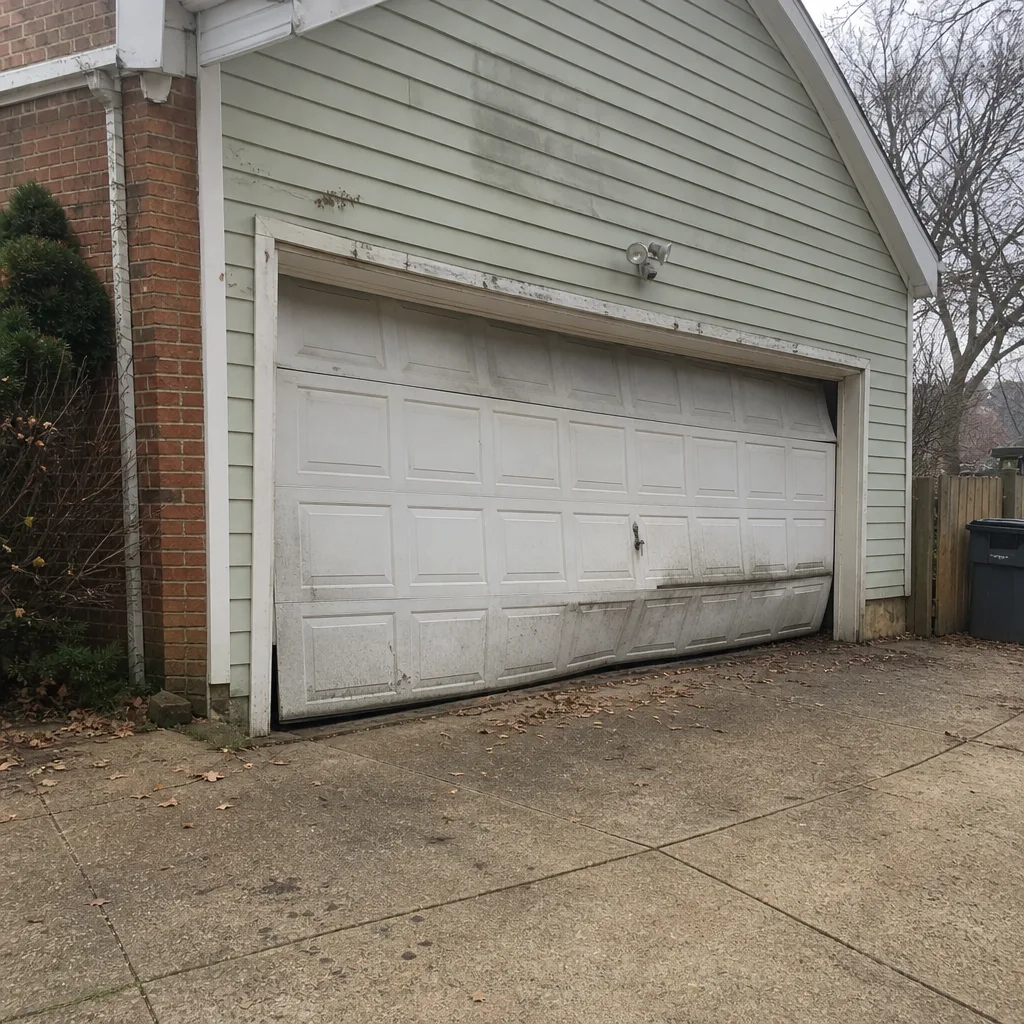 Before
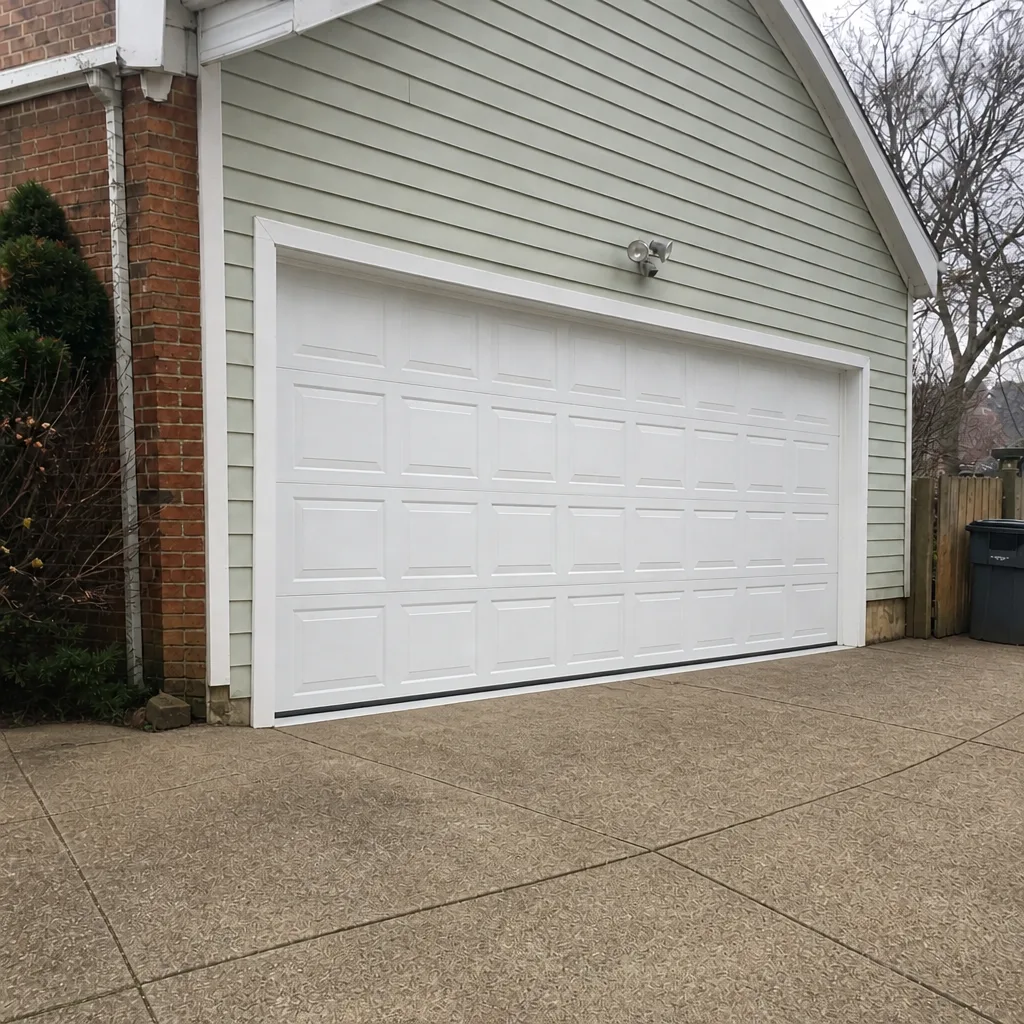 After
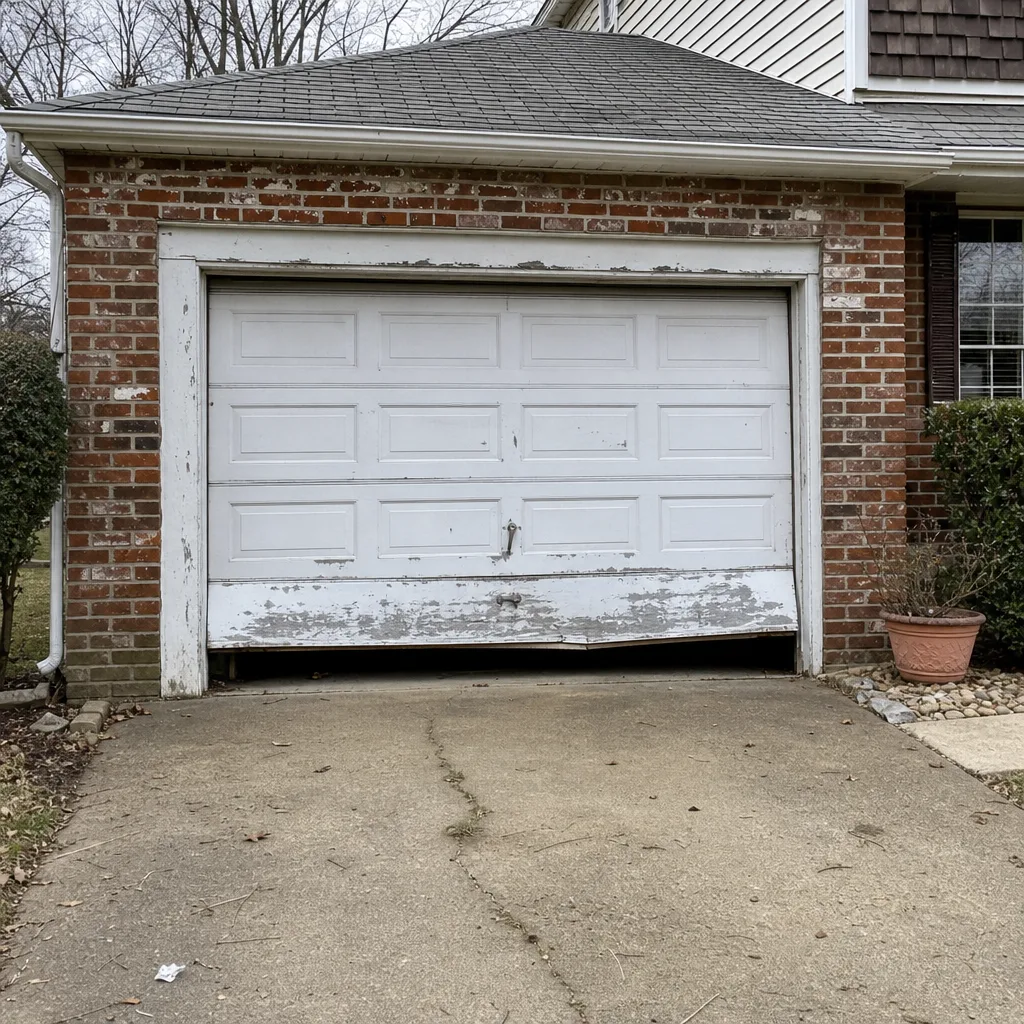 Before
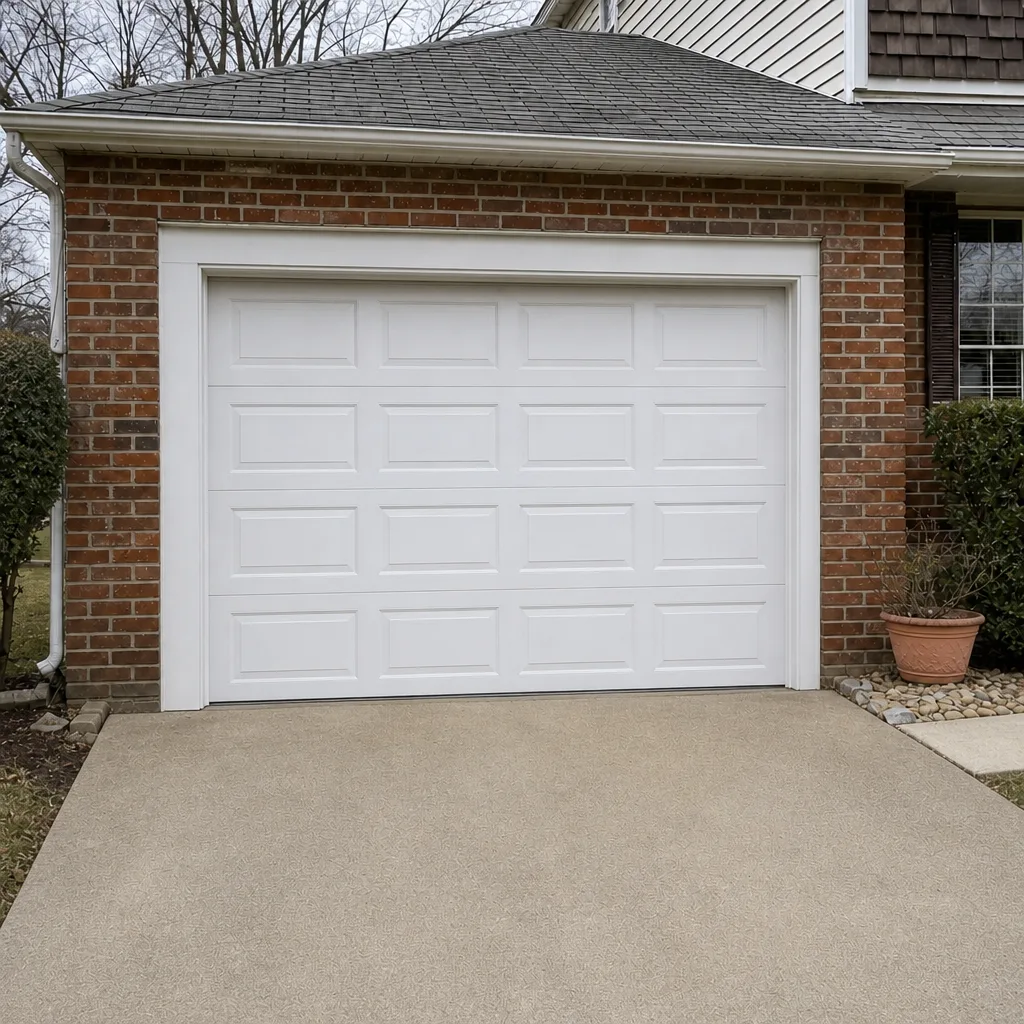 After
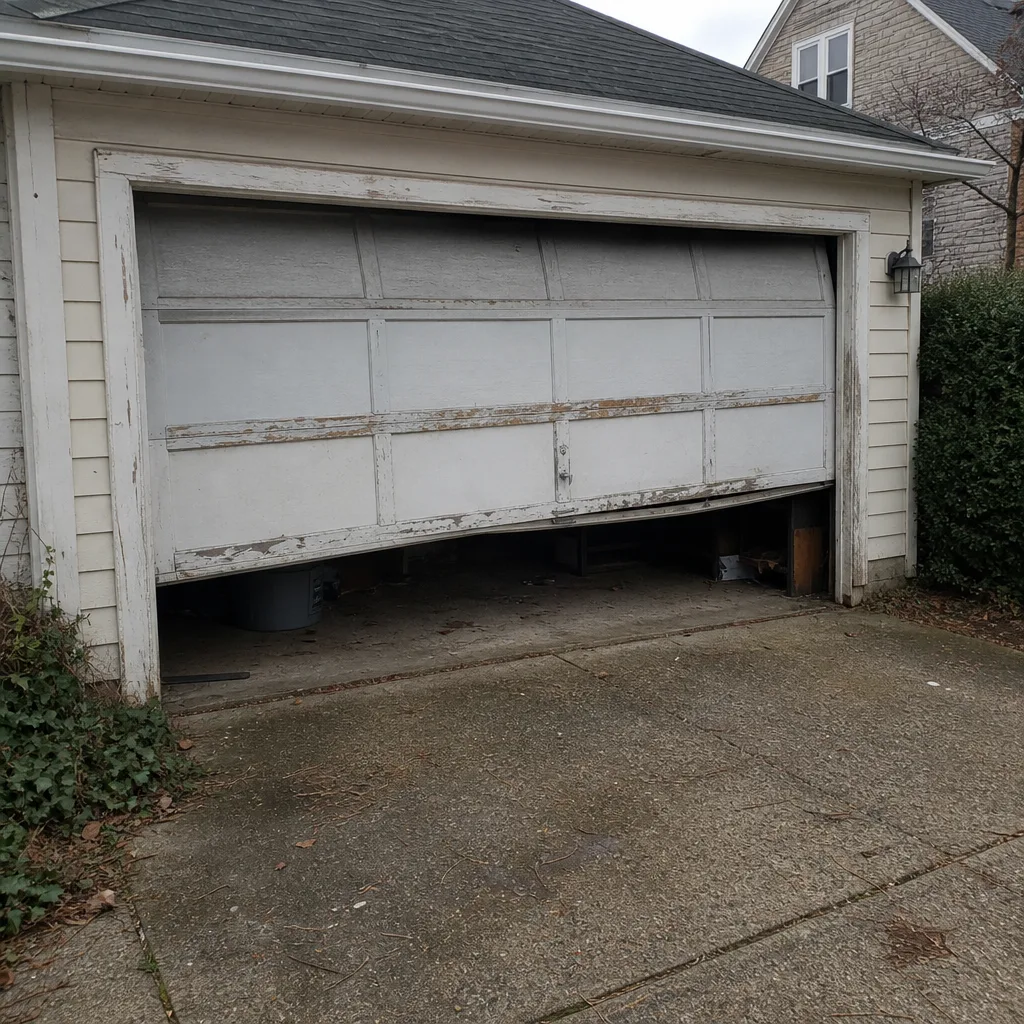 Before
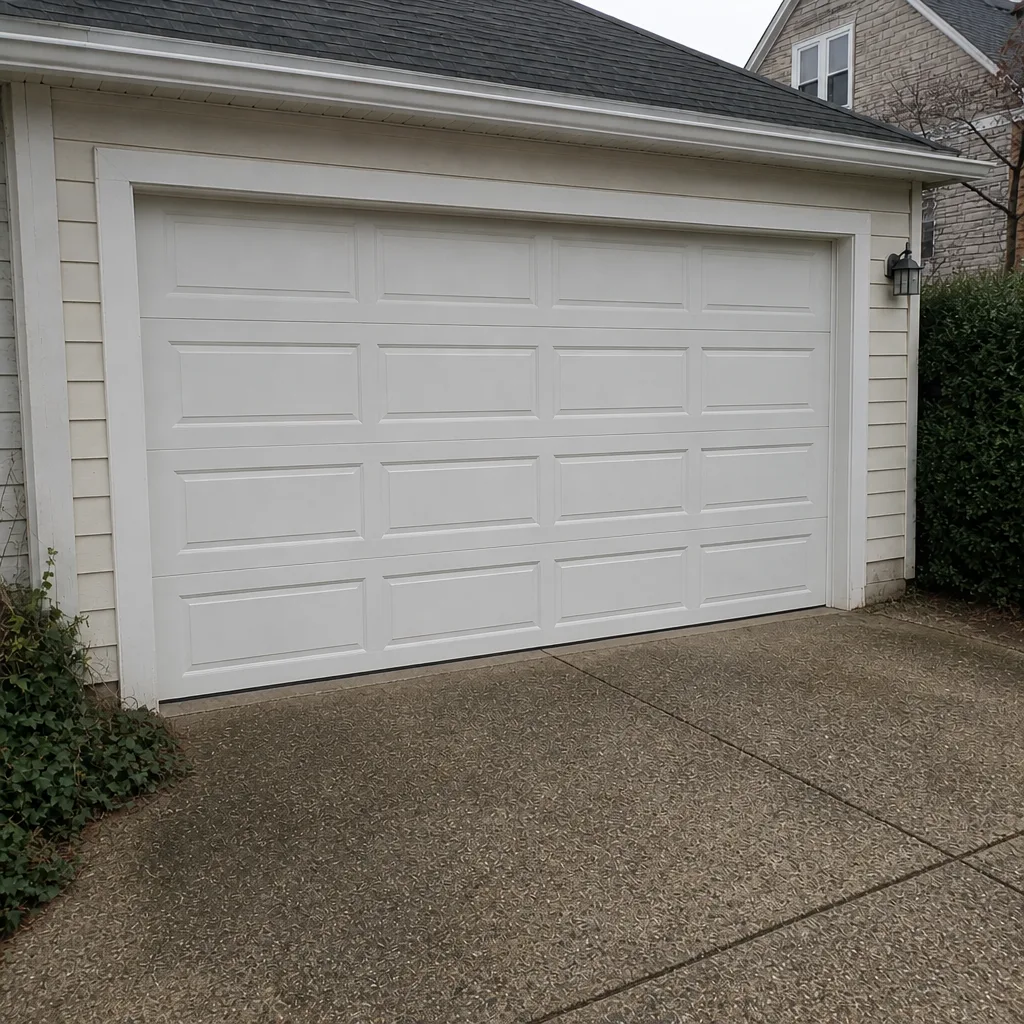 After
When to Call a Professional
Call in when the problem involves anything under tension or anything electrical. A snapped spring, a door that’s come off its track, a cable that’s gone slack, or a door that won’t close all at once – those are safety issues, not weekend projects. A door stuck open overnight leaves the house unsecured, and a door jammed closed can trap the car. Opener repairs touching the wiring or the logic board also call for a technician. And if you’re unsure whether it’s time to repair or replace, a professional assessment settles it faster than guesswork. Garage Door Repair Alexandria Pros offers free estimates in Alexandria – call (833) 508-9704. We answer 24/7, with fast dispatch from 7am to 7pm, Sunday through Friday. Our technicians have up to 14 years of experience, and the price is quoted and agreed before any work starts.
Frequently Asked Questions
It depends on the work and your jurisdiction. Alexandria City, Fairfax County, and Arlington County handle permits differently, and structural changes to a garage opening almost always require one. Ask your building department directly before you buy – the answer takes one phone call, and it’s the only reliable one for your address.
Yes, if the door doesn’t meet the community’s architectural guidelines. In Alexandria, HOA rules are often stricter than building code on color, material, and window configuration, and installing without approval can trigger a violation. Get written HOA approval before ordering the door.
They’re separate processes. A permit confirms the work is built to code. A historic district review examines whether the door’s appearance fits the architecture of the block. In Old Town, you may need both, and the historic review can reject a door that would pass every inspection.
Sometimes, but not always. A heavier insulated door can exceed what a standard opener is rated to lift, and the safety-reverse and closing-force sensors have to pair with the new door. Check the door’s weight against your opener’s capacity before you buy, or have a technician evaluate the pairing.
Northern Virginia’s summer humidity causes wood to swell, metal finishes to hold moisture, and weatherstripping to stiffen. A door that’s fine in winter can drag in July. Lubricating the rollers and hinges seasonally helps, but if the door keeps sticking, the balance or spring tension needs a technician’s check.
Repair is usually the answer. A spring is a wear component, and replacing it – plus checking the cables and rollers while the technician is there – resolves the problem at a fraction of what a new door costs. Replacement only makes sense if the panels or structure are also compromised. Call (833) 508-9704 for a free estimate before you decide.
The Bottom Line
The door that works in Alexandria is the one that clears your HOA or historic review first, matches your home’s architecture, and pairs correctly with your opener. Check the rules before you buy, don’t skimp on insulation for an attached garage, and treat springs and cables as hands-off. Whether you’re repairing or replacing, one specialist team can handle the job from assessment to final adjustment, without handing you off to a second company. Our technicians have up to 14 years of experience, we service eight major brands including LiftMaster, Chamberlain, Genie, and Clopay, and the written estimate sets the price before work starts. Call (833) 508-9704 for a free estimate. We answer 24/7, with fast dispatch from 7am to 7pm, Sunday through Friday.
Written by the team at Garage Door Repair Alexandria Pros.