
Last updated November 22, 2026
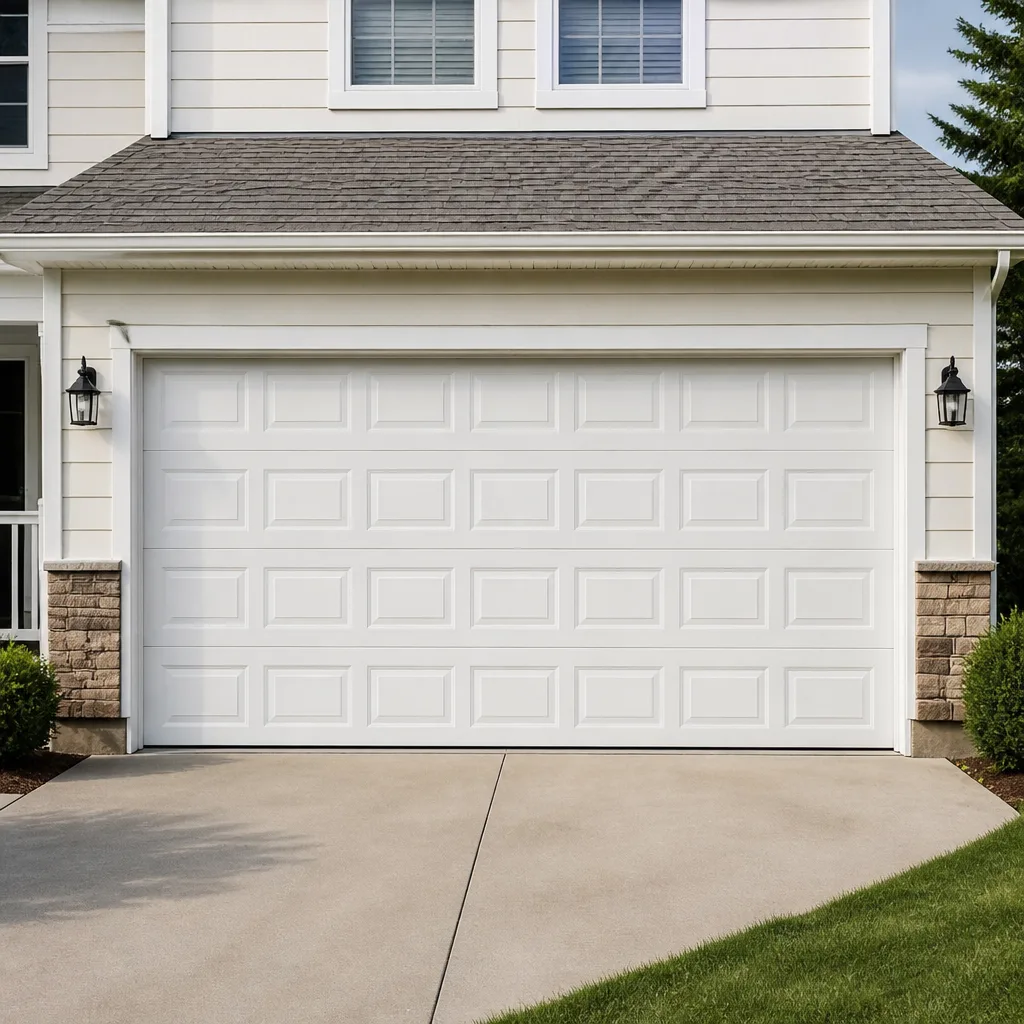 Raised-panel steel
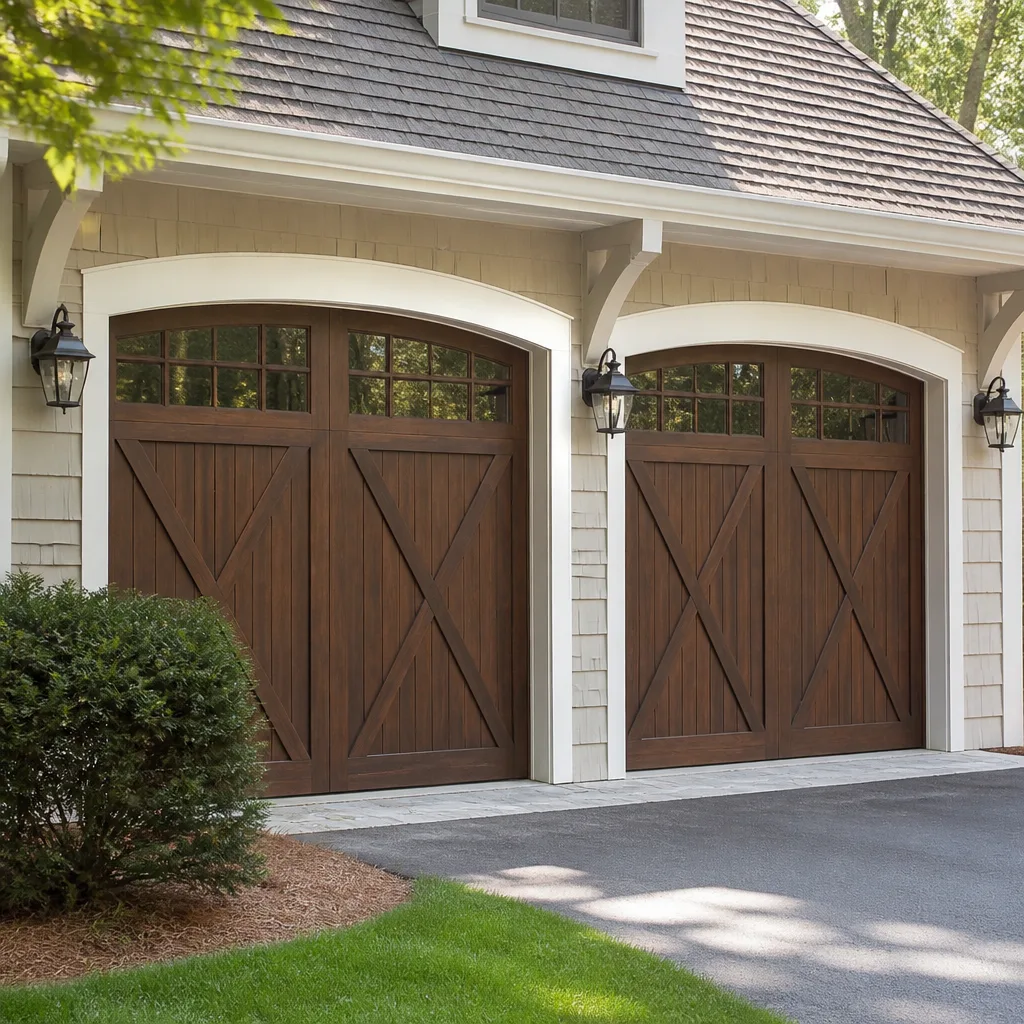 Carriage house
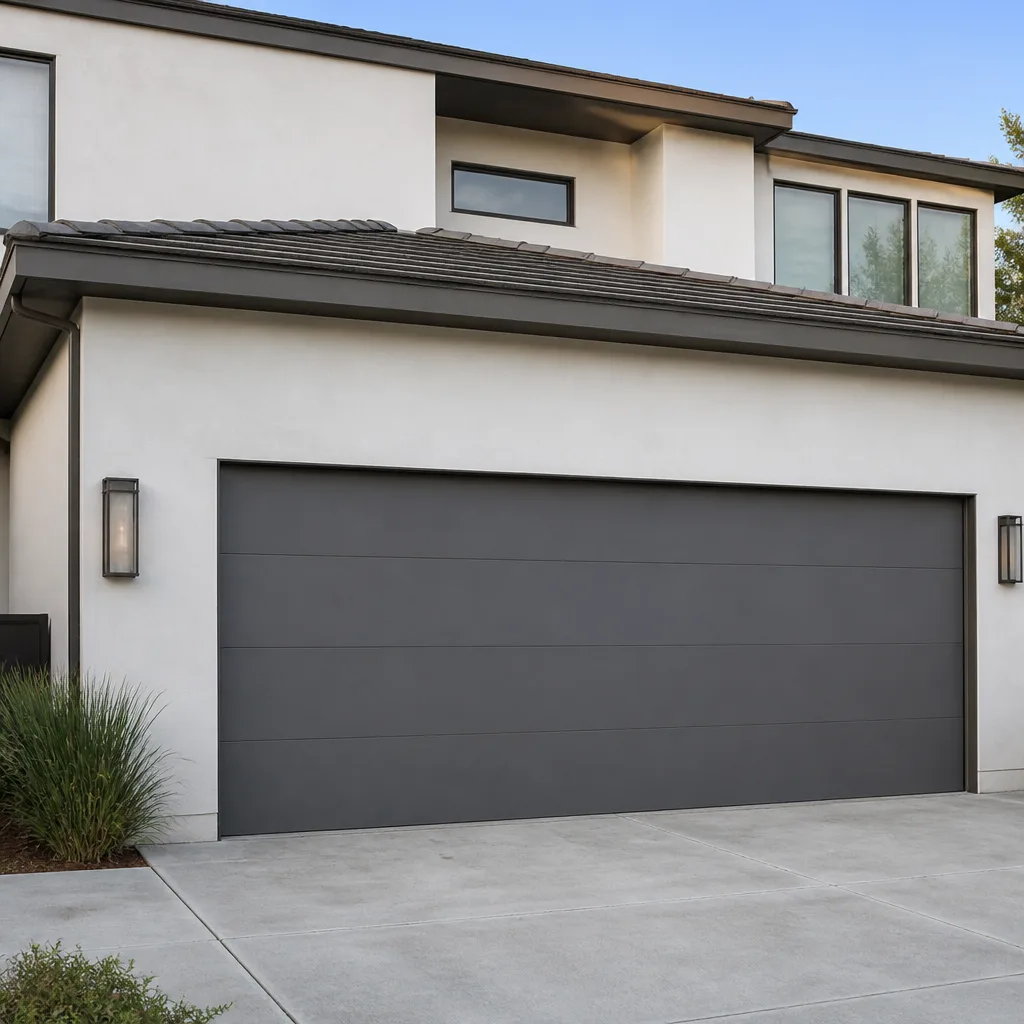 Modern flush
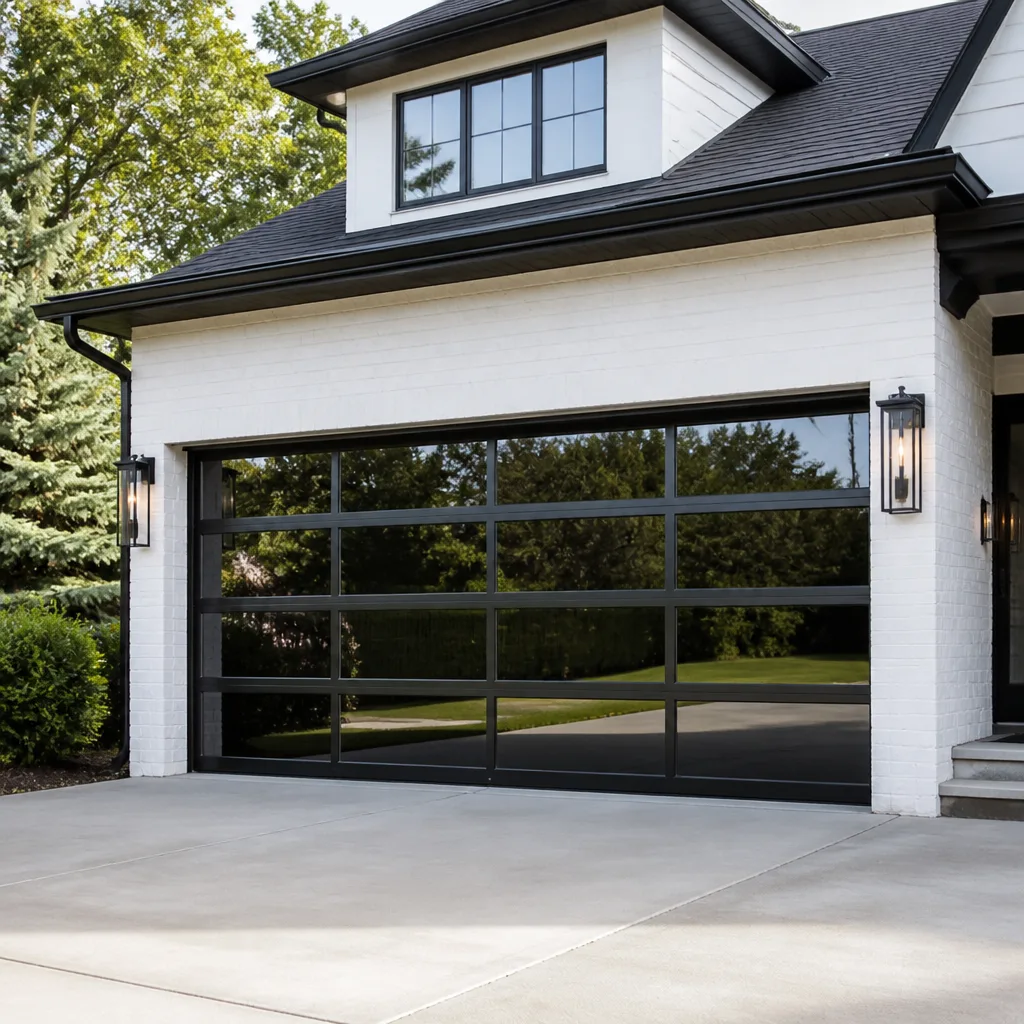 Full-view glass
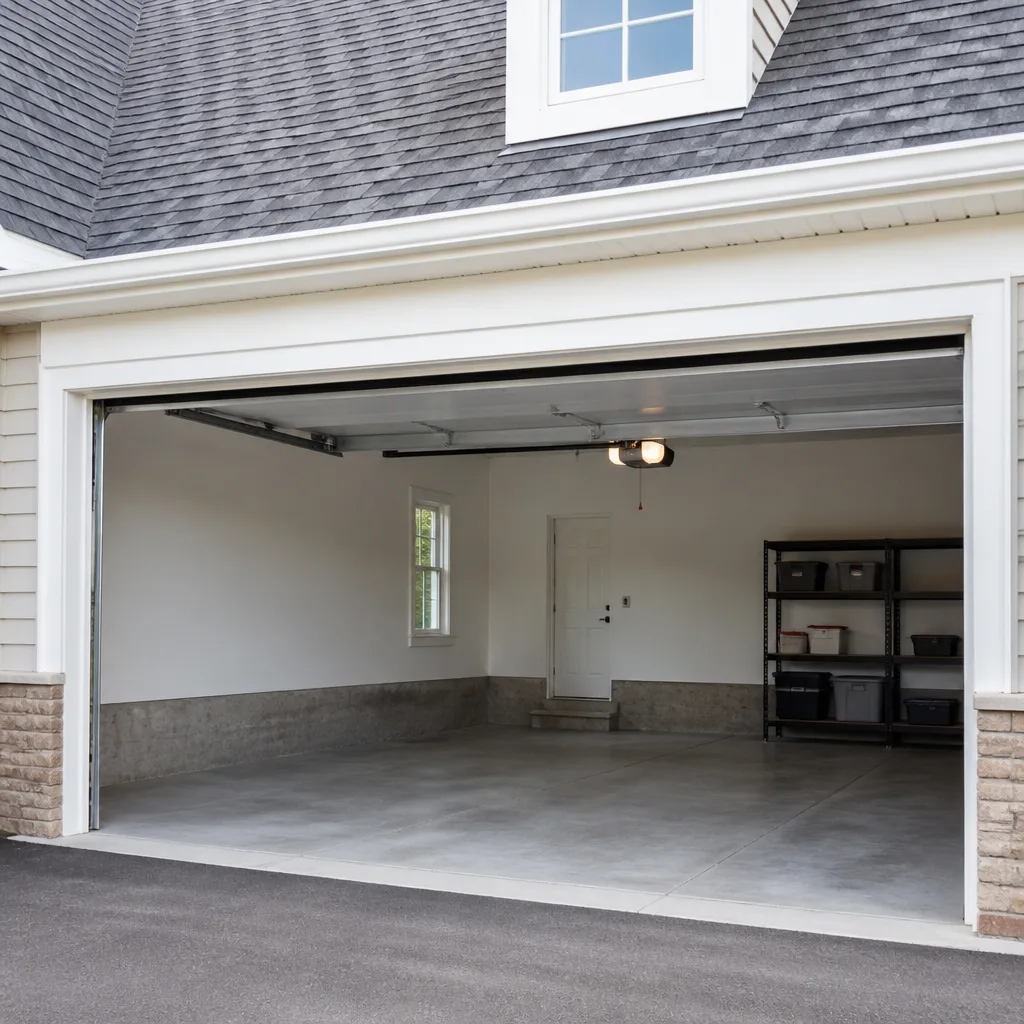 LiftMaster openers
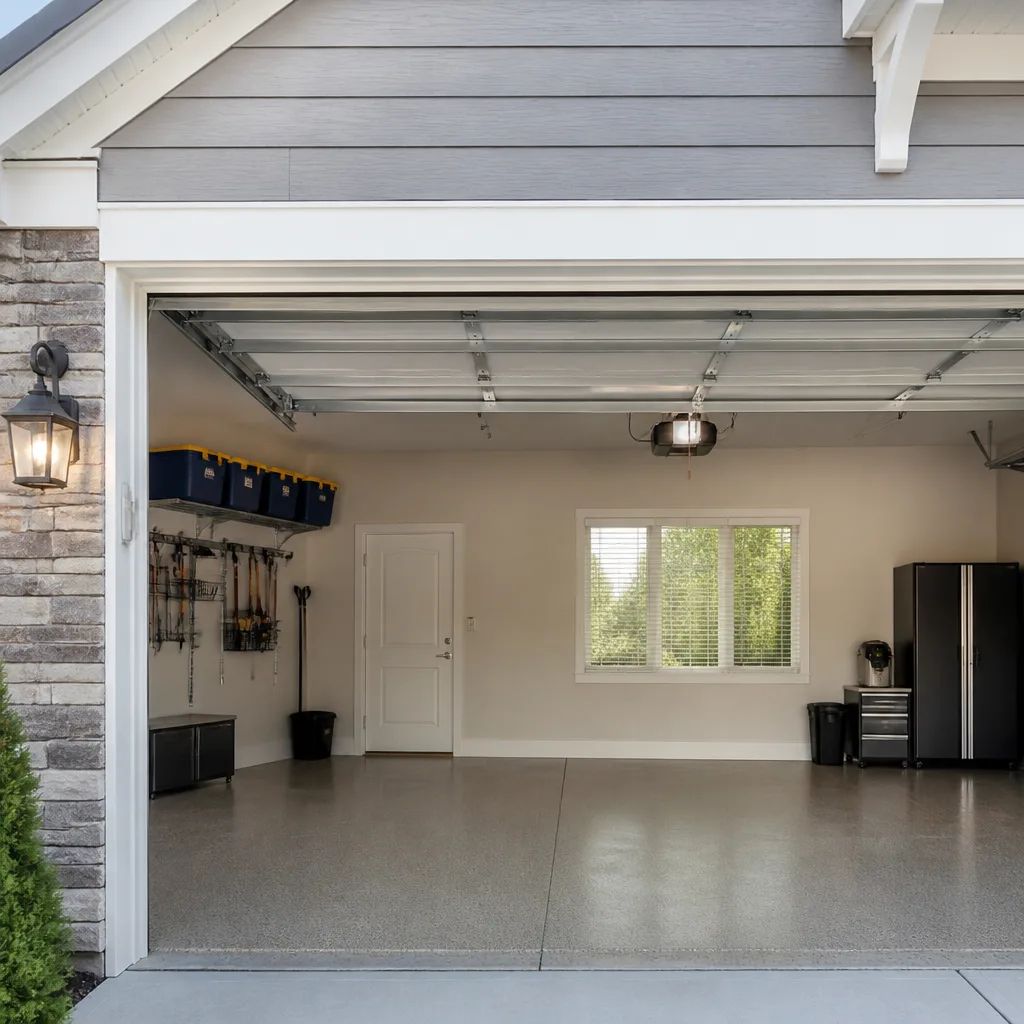 Chamberlain openers
Full 25-point door and opener safety check with every visit - springs, cables, rollers, tracks, and your LiftMaster or Chamberlain opener included
You get a price before we start. It does not change when the pro arrives.
Get your free estimateGarage Door Repair Troubleshooting in Alexandria: Common Problems and How to Fix Them
Homeowners tend to describe almost every breakdown the same way: the door “just stopped working.” That’s almost never what happens. A door that won’t open in an Alexandria garage usually gave plenty of warning – a spring that started singing a higher note, a rail that kicked sideways on the last foot of travel, a logic board that flashed an error code twice before it quit. The problem is that most people don’t know which sounds and behaviors are early signals and which are the failure itself. This guide maps common symptoms to their actual root causes, separates opener-side faults from mechanical ones, and tells you exactly where the DIY line is in Alexandria.
Styles & brands we work with
- Raised-panel steel
- Carriage house
- Modern flush
- Full-view glass
- LiftMaster openers
- Chamberlain openers
Quick Answer
Most garage door troubleshooting comes down to identifying whether the failure is on the opener side (motor, logic board, sensors, remote) or the mechanical side (springs, cables, rollers, tracks, hinges). If the door is stuck halfway, reverses on its own, or moves only a foot, the cause is usually mechanical or sensor-related and needs a technician. If the door is completely silent with no motor sound, no lights, and no response to any remote, check the opener’s power and safety sensors first. Anything involving a torsion spring or a cable under tension is a stop-and-call situation regardless of how handy you are. We answer 24/7 at (833) 508-9704 with fast dispatch from 7am to 7pm, Sunday through Friday.
Table of Contents
- The Troubleshooting Decision Tree: Start Here
- Door Won’t Open at All: Opener-Side vs. Mechanical-Side Failures
- Door Opens Partially, Then Stops or Reverses
- Loud Noises: What Each Sound Actually Means
- Slow or Sluggish Movement: Springs, Rollers, and Balance
- Alexandria-Specific Factors: Humidity, Temperature Swings, and Housing Stock
- The Safety Boundary: When DIY Stops and a Technician Starts
- Common Mistakes to Avoid
- When to Call a Professional
- Frequently Asked Questions
- The Bottom Line
The Troubleshooting Decision Tree: Start Here
Before you read another word, answer one question: does the door make any motor sound at all when you press the remote or wall button? That single answer splits the entire troubleshooting process in half, and it’s the question most homeowners skip. The mistake is going straight to the symptom – “it won’t open” – instead of the failure category. A silent door and a door that grinds but won’t lift can look identical from the driver’s seat, but they have nothing in common mechanically.
Here’s the path we want every Alexandria homeowner to follow:
- Listen for the motor. No motor sound, no opener light, no click = opener-side failure. Go to the Won’t Open at All section.
- Motor runs but door doesn’t move. You hear the opener but the door sits still, or the chain/belt moves without the door = mechanical-side failure. Springs, cables, or the trolley release are the usual suspects.
- Door moves partway and stops or reverses. That’s usually the safety sensors, a binding track, or a travel limit setting. Go to Opens Partially.
- Door moves but sounds wrong. Grinding, popping, or a single loud bang = Loud Noises. A single bang followed by a door that won’t lift is almost always a snapped torsion spring – stop and call.
- Door moves but feels heavy or slow. That’s a balance problem. Go to Slow Movement. Do not keep running the opener against a heavy door; the motor will burn out.
This five-step check takes under a minute and points you at the right category every time. Everything in this guide builds on it.
Door Won’t Open at All: Opener-Side vs. Mechanical-Side Failures
This is where most troubleshooting goes sideways. Homeowners see a door that won’t open and assume the opener is dead – so they buy a new one, install it, and the door still doesn’t move because the actual problem is a broken spring or a snapped cable. The opener was doing its job the whole time; it just couldn’t lift a door with no counterbalance. The reverse happens too: a door with a bad logic board gets diagnosed as “mechanical” and someone starts adjusting tracks that were never the issue.
Separate the two sides cleanly:
- Opener-side symptoms: no sound at all, no opener light, remote works but wall button doesn’t (or vice versa), opener hums but doesn’t pull the carriage, safety LED blinking a fault code, door doesn’t respond after a power flicker. These point to the logic board, capacitor, motor, sensors, or wiring.
- Mechanical-side symptoms: opener runs and the chain moves but the door doesn’t, door suddenly feels much heavier than usual, visible gap or slack in a cable, torsion spring with a visible break, door off its track at one corner, roller popped out of a hinge.
If it’s an opener-side issue, brand matters more than homeowners expect. A LiftMaster logic board doesn’t fault the same way a Craftsman unit does, and the diagnostic LED patterns differ across generations. Our technicians arrive already familiar with the specific board and drive system on your opener, which is why we can usually identify the fault on the first visit instead of guessing. For a deeper walkthrough of opener-specific symptoms, see our dedicated garage door opener repair page. If you’re not sure which side of the equation you’re on, call (833) 508-9704 and describe what you’re hearing. That one sentence is usually enough to narrow it down.
Door Opens Partially, Then Stops or Reverses
A door that lifts a foot and stops, or goes up and then immediately comes back down, is telling you something specific: the system’s safety logic thinks the door is blocked. That’s not a broken door – it’s a door that’s either genuinely binding or being told it’s binding. The two causes look identical from outside the garage, which is why this symptom trips people up.
Check these in order
- Safety sensors. Look at the two small units at the bottom of the tracks on either side of the door. If one is knocked out of alignment, has a spiderweb or leaf blocking the lens, or has a misrouted wire, the opener will reverse the door every time. Straighten them, wipe the lenses, and confirm both indicator lights are solid (not blinking).
- Track alignment. A single bent section or a track that’s out of plumb will cause the door to bind at the same point every cycle. Look down the length of both tracks from inside the garage – they should be straight and parallel.
- Rollers. A worn or seized roller will drag on the track and mimic a binding door. Rollers are inexpensive and easy to inspect visually.
- Travel limits. If the door used to open fully and now stops short, the open travel limit on the opener may have drifted. This is a setting, not a hardware failure.
- Balance. Disconnect the opener (pull the red release handle with the door closed), then lift the door halfway by hand. A properly balanced door stays there. If it drops hard or won’t stay up, the spring tension is wrong – stop and call.
If you get through that list and the door still reverses, the cause is usually inside the opener’s logic or the sensor wiring, and that’s the point to stop guessing. For a full picture of what a same-day repair visit covers, our main garage door repair page lays out the workflow we follow.
Loud Noises: What Each Sound Actually Means
Garage doors are supposed to sound like a low, steady hum with a light mechanical roll. Every other sound is a specific message. Homeowners often tune out a new noise for weeks because nothing has technically broken yet – and that’s the exact window when a cheap fix (a roller, a hinge, a lube job) is still possible. Here’s what each sound tends to mean:
- A single loud bang, then the door won’t lift. A torsion spring has snapped. Stop using the door immediately. This is the most dangerous symptom on the list and no amount of DIY skill changes that.
- Rhythmic creaking or squealing on every cycle. Dry or worn rollers and hinges, or a dry torsion tube. Usually a lubrication and hardware issue, not a failure point yet.
- Grinding or metal-on-metal scraping. A roller is seized in its hinge, or the door is dragging on a bent track. Keep opening it and you’ll damage the panel and the track.
- Popping at one corner as the door moves. A hinge is worn or a panel is separating – occasionally a sign that a cable end is getting ready to fail.
- Rattling that wasn’t there before. Loose bolts on the hinges or the opener’s rail mounting bracket. Cheap to fix, worth not ignoring.
- Buzzing from the opener itself. The motor or capacitor is straining – often because the door is out of balance and the opener is working harder than it should.
In Alexandria’s housing stock, a lot of doors are on their second or third opener but original hardware. When you hear a sound that only appears in one spot on the cycle, that’s a mechanical binding point, not a motor issue. If it happens at the same foot of travel each time, it’s a hardware problem you can isolate in a minute.
Slow or Sluggish Movement: Springs, Rollers, and Balance
A door that opens more slowly than it used to – or one that feels heavy when you lift it by hand – is the most commonly ignored symptom on this list. Homeowners assume slow is fine, that the motor is just getting old. What’s usually happening is that the springs have lost tension or the door has gone out of balance, and the opener is now doing the work the springs were designed to do. Keep running it that way and you’ll replace a motor instead of servicing a spring.
Balance is a two-minute check with no tools:
- Close the door and pull the red release handle to disconnect the opener.
- Lift the door by hand to about waist height, then let go.
- A balanced door stays put or drifts gently. A door that falls hard or shoots up is out of balance.
- Reconnect the opener by running it until the carriage re-engages – don’t force it.
If the door fails that check, the fix is a spring adjustment or replacement, done by a technician. This is one of the reasons we treat spring repair as its own service line rather than a line item buried inside “general repair.” Torsion springs hold enormous stored energy, and getting the tension wrong on a replacement isn’t a matter of a door working badly – it’s a matter of safety. Our technicians have up to 14 years of experience with spring work across every major door brand, and we’ll always quote the job before any work begins so you know the price up front.
Alexandria-Specific Factors: Humidity, Temperature Swings, and Housing Stock
Garage doors in Alexandria fail differently from doors in drier or more stable climates, and it’s worth knowing why. The Potomac corridor keeps humidity elevated through much of the year, and that humidity does two things to a garage door: it accelerates cable fraying (the strands corrode at the point where they bend around the drum), and it swells wooden door panels slightly, which can cause binding in older doors that were installed with tight tolerances.
Temperature matters just as much. Alexandria winters dip low enough to stiffen lubricants and tighten spring tension beyond spec, and summers push high enough to soften grease and expand door panels. A spring tensioned correctly in January will feel slack in August. That’s normal seasonal behavior – but it means the door should be checked and rebalanced for the middle of the range, not tuned to one extreme. A door that runs quietly in spring and grinds in July is telling you the tolerances are already tight.
Alexandria’s housing stock splits into two groups with different failure profiles:
- Older detached homes and rowhouses (Del Ray, Old Town, Rosemont) often have single-car doors on original or second-generation hardware. Cable and hinge wear is the dominant issue, and the panels themselves are more likely to have swollen or warped.
- Newer construction and townhomes (Potomac Yard, Carlyle, Eisenhower Valley) run newer openers – often LiftMaster or Chamberlain – where the more common issues are sensor alignment, logic board faults after a power event, and network or remote pairing problems.
If you’re in an older Alexandria home and hearing a creak you’ve never heard before, the most likely culprit is a cable or hinge that’s reached the end of its service life. If you’re in a newer townhome and the door suddenly stops responding, check the wall outlet behind the opener motor first – a tripped GFCI on a shared circuit is more common than people expect. For a new door or a full replacement on either housing type, see our garage door installation page. Free estimates are available, and every price is quoted in writing before any work starts.
The Safety Boundary: When DIY Stops and a Technician Starts
Most garage door troubleshooting is safe for a homeowner. Visual inspection, sensor alignment, cleaning the tracks, tightening a loose hinge bolt, checking the balance – all reasonable. But two components sit on the wrong side of the line no matter how capable you are: torsion springs and cables under tension. Both store enough energy to cause serious injury in an instant, and both are exactly where DIY repairs go wrong most often.
Stop and call a technician immediately if you see any of these:
- A torsion spring with a visible gap or break in the coil.
- Any cable that’s visibly frayed, kinked, or off its drum.
- A door that slammed down and won’t lift at all.
- The door is off its track on one side or hanging unevenly from the floor.
- The opener’s springs or carriage are visibly detached from the door.
- You hear a bang and then the door won’t move.
There’s a second safety issue that’s easy to miss: a malfunctioning door is also a security issue. A door stuck halfway up leaves the garage open. A door stuck fully down traps a car. That’s why we treat emergency service as a genuine service line rather than a footnote – if a door has left your home open or trapped your vehicle, call (833) 508-9704. We answer 24/7 and dispatch from 7am to 7pm, Sunday through Friday. If the call comes outside those hours, we’ll book you into the next opening and get a technician out fast. Same-day service is available for most repair calls.
Common Mistakes to Avoid
- Replacing the opener when the problem is mechanical. Two homeowners in ten call us after installing a new opener that didn’t fix the door. The spring, cable, or track was the issue the whole time – the opener was just the visible victim.
- Forcing the door up when it’s binding. If the door won’t lift, yanking it by hand can snap a cable or pop a roller. That turns a $200-ish hardware fix into a much larger job.
- Over-lubricating the tracks. Tracks are meant to run dry. Grease attracts grit and causes rollers to skip. Lubricate the rollers, hinges, and torsion tube – not the track surface.
- Adjusting spring tension by feel. In Alexandria’s temperature swings, a spring tensioned by ear in one season will be wrong the next. Tension gets set to spec, with the right tools.
- Ignoring a single loud bang. That bang is a snapped spring. A lot of homeowners assume it’s “just the door settling” and keep pressing the remote – the motor then burns out on top of the spring failure.
- Skipping the safety sensor check before assuming a logic board fault. A misaligned sensor behaves exactly like a bad board. Nine times out of ten, straightening and cleaning the sensors clears the reversing issue before you spend a dollar.
- Assuming brand-specific faults are universal. A Raynor opener fault code and a Wayne Dalton opener fault code mean different things. Generic YouTube troubleshooting can send you down the wrong path.
When to Call a Professional
Call a professional if the door won’t move at all, the opener runs but the door doesn’t, you’ve heard a bang, you can see a broken spring or a frayed cable, the door is off its track, the door reverses on every cycle after you’ve checked the sensors, or the door has gone from “slow” to “won’t stay up when I lift it.” Any of those is beyond what visual inspection and sensor alignment can safely fix, and calling early prevents the smaller problem from becoming a bigger one.
Garage Door Repair Alexandria Pros offers free estimates in Alexandria – call (833) 508-9704. We answer 24/7, with fast dispatch from 7am to 7pm, Sunday through Friday. Our technicians have up to 14 years of experience, we service LiftMaster, Chamberlain, Genie, Clopay, Amarr, Wayne Dalton, Craftsman, and Raynor products, and every quote is written and agreed before any work starts. If a repair reveals a deeper problem, we handle it in the same visit – no second company, no second call.
Frequently Asked Questions
The most common causes are a snapped torsion spring (usually after a single loud bang), a disconnected trolley, misaligned safety sensors, or a dead opener logic board. Listen for the motor: if it runs but the door doesn’t move, the issue is mechanical; if it’s silent, it’s opener-side. Call (833) 508-9704 for a free estimate if you can’t narrow it down in a minute.
Most repair jobs in Alexandria fall in the $150 to $450 range, with spring replacements typically running $180 to $340 for a single spring – and a matched pair is usually replaced together, so it costs about twice that. Opener repairs and sensor or track fixes are usually at the lower end. The written estimate you receive sets the final price, and we quote before any work begins. Call (833) 508-9704 for a free estimate.
Yes, same-day service is available for most repair calls. We answer 24/7 and dispatch from 7am to 7pm, Sunday through Friday. A call outside those hours gets booked into the next opening. Call (833) 508-9704.
No. The written estimate you receive before work starts is the price you pay for the agreed scope. If our technician finds a related issue – a worn roller alongside a broken spring, for instance – that gets quoted separately and you decide before anything additional is done. Call (833) 508-9704 for a free estimate.
Yes. The local professional we connect you with is licensed and insured as their state requires, and our technicians have up to 14 years of experience. We work on LiftMaster, Chamberlain, Genie, Clopay, Amarr, Wayne Dalton, Craftsman, and Raynor equipment. Call (833) 508-9704 to book a free estimate.
No. Torsion springs and cables are under extreme tension, and a wrong adjustment can cause serious injury. This is the one repair on a garage door that should never be DIY, regardless of skill level. We treat spring repair as a dedicated service for exactly that reason. Call (833) 508-9704.
The Bottom Line
Garage door troubleshooting works when you diagnose by category, not by symptom. The one question that matters first: does the motor run? If yes, your problem is mechanical. If no, it’s opener-side. Everything else – sensor checks, track alignment, balance, noise diagnosis – flows from that split. In Alexandria, add the Potomac-corridor humidity factor (cable wear) and seasonal temperature swings (spring tension drift) to your mental checklist, and remember that any symptom involving a torsion spring, a frayed cable, or a door that won’t stay up is a stop-and-call situation. For everything else, our team is available to help – Garage Door Repair Alexandria Pros connects you with experienced local technicians who work on your exact brand. Call (833) 508-9704 for a free estimate. We answer 24/7 with fast dispatch from 7am to 7pm, Sunday through Friday.
Written by the team at Garage Door Repair Alexandria Pros.
See the difference
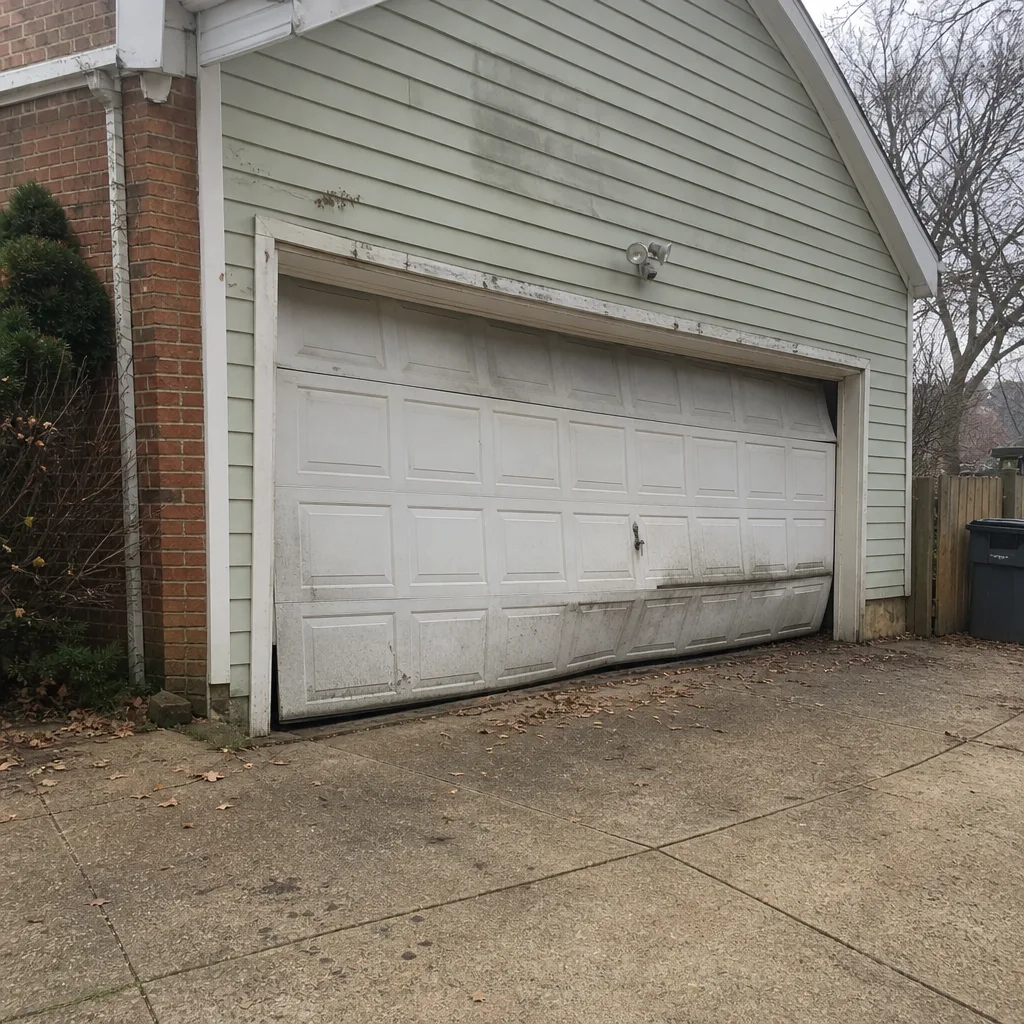 Before
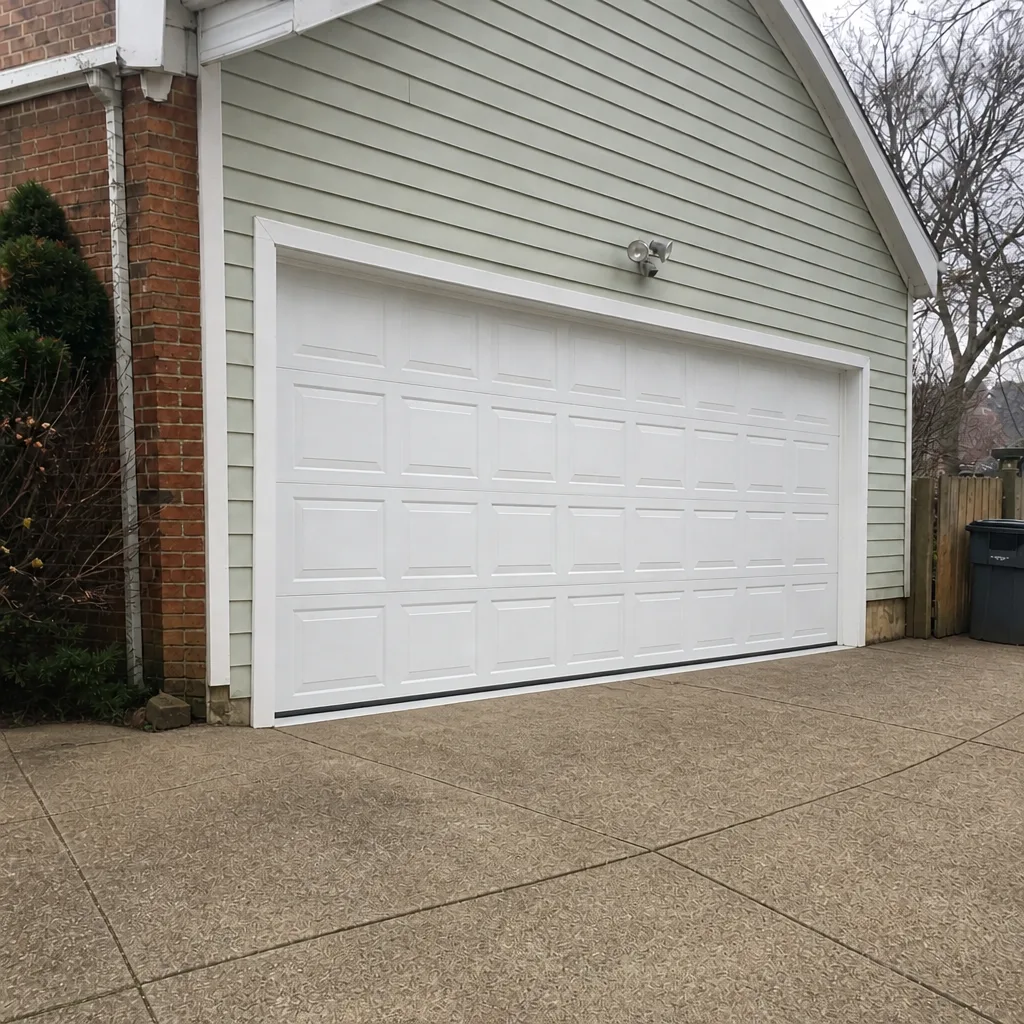 After
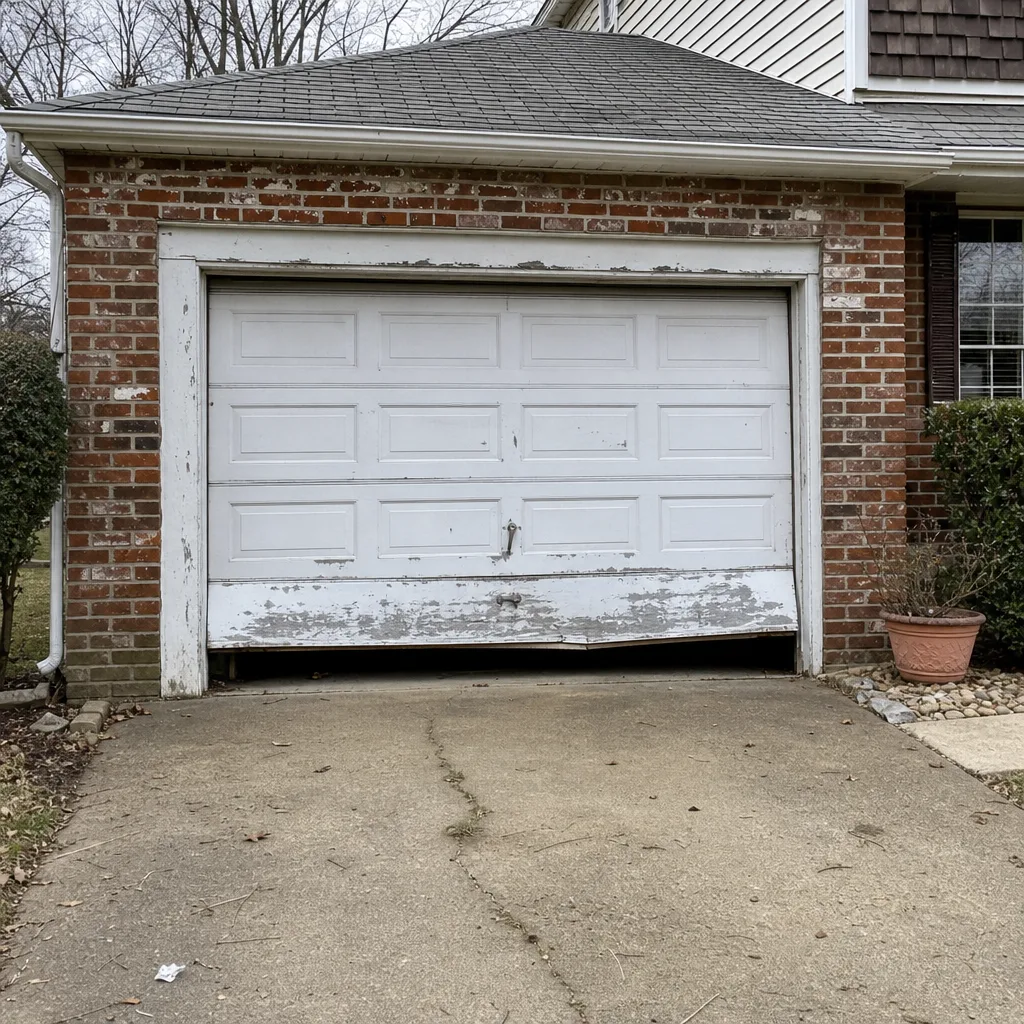 Before
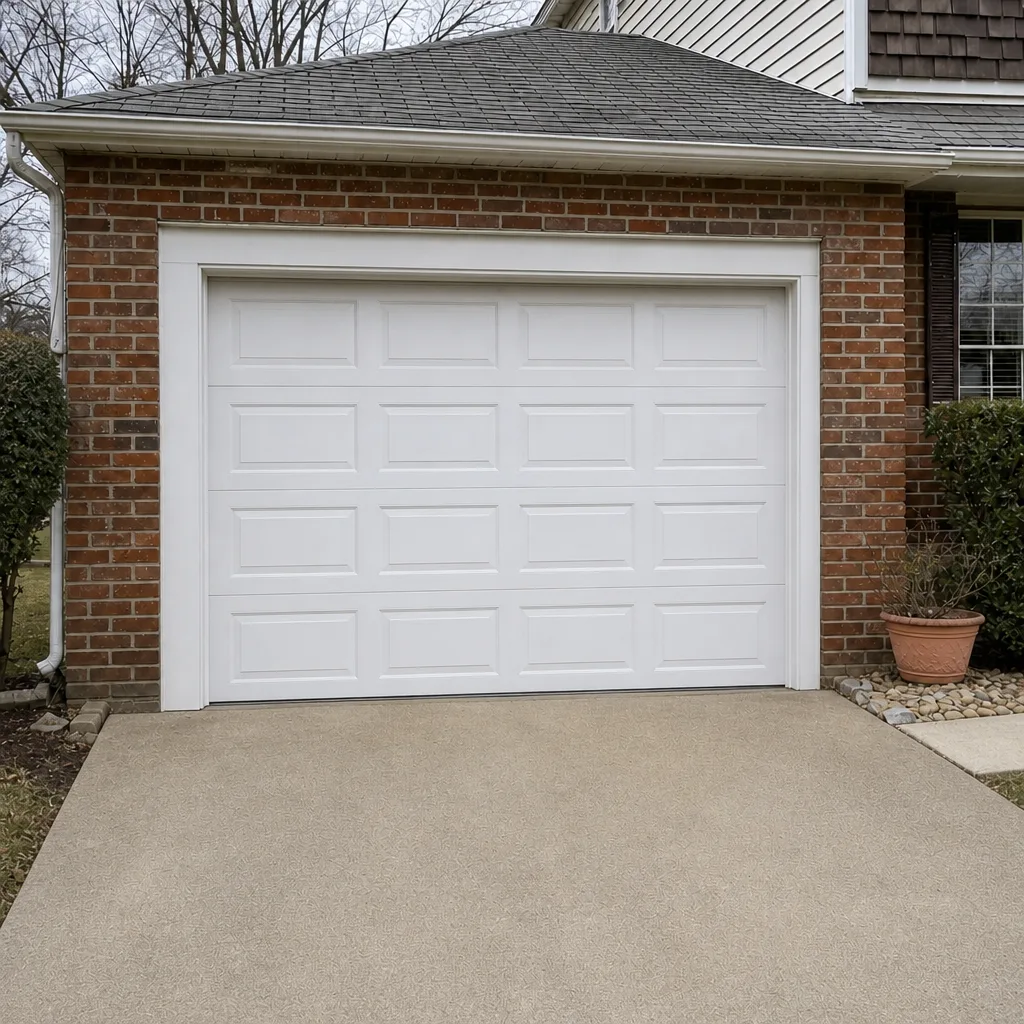 After
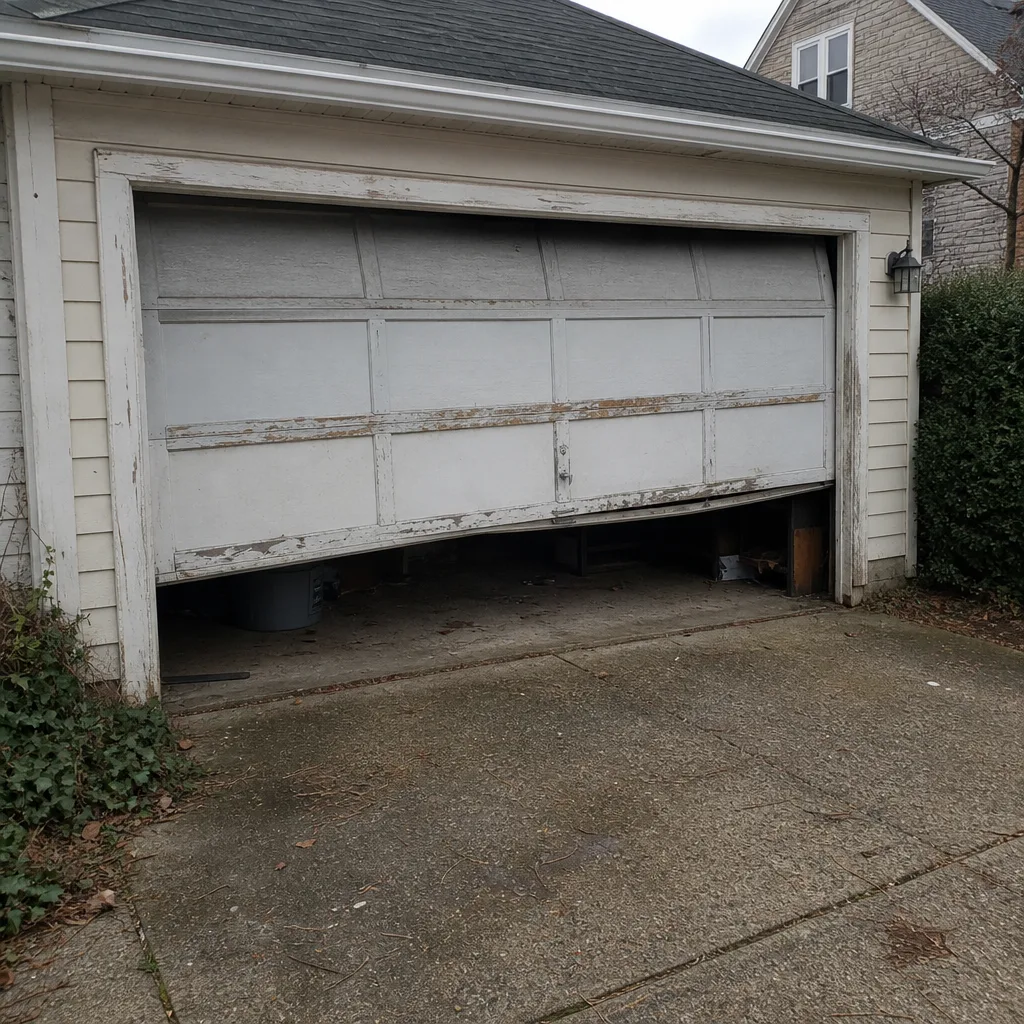 Before
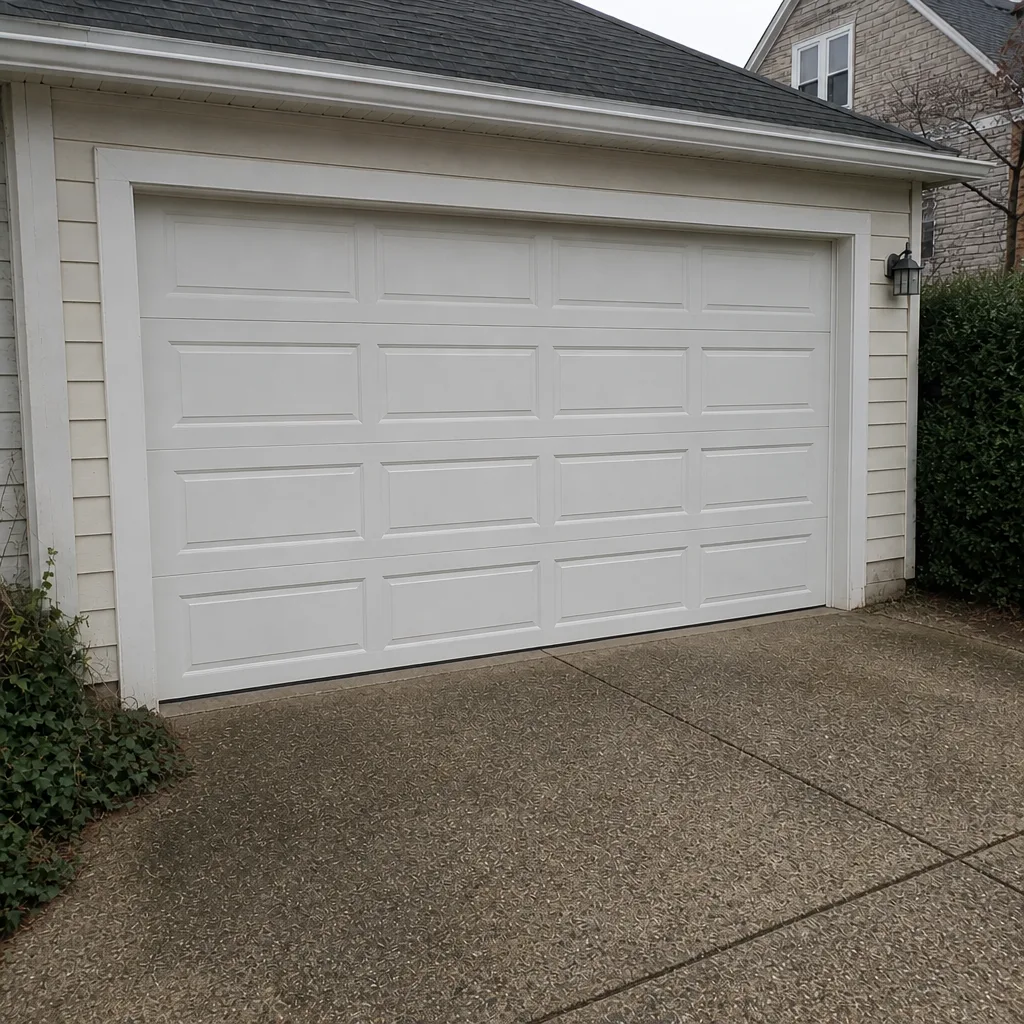 After