
Last updated November 22, 2026
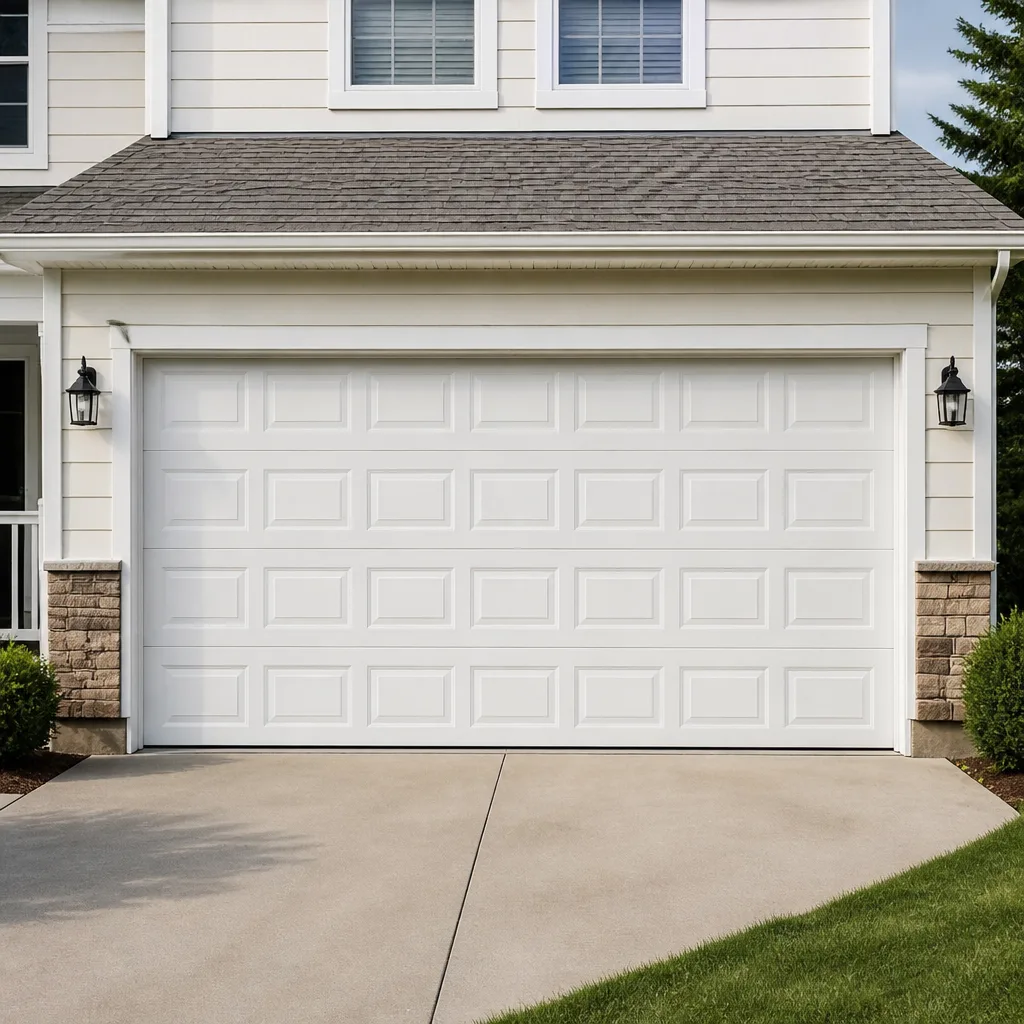 Raised-panel steel
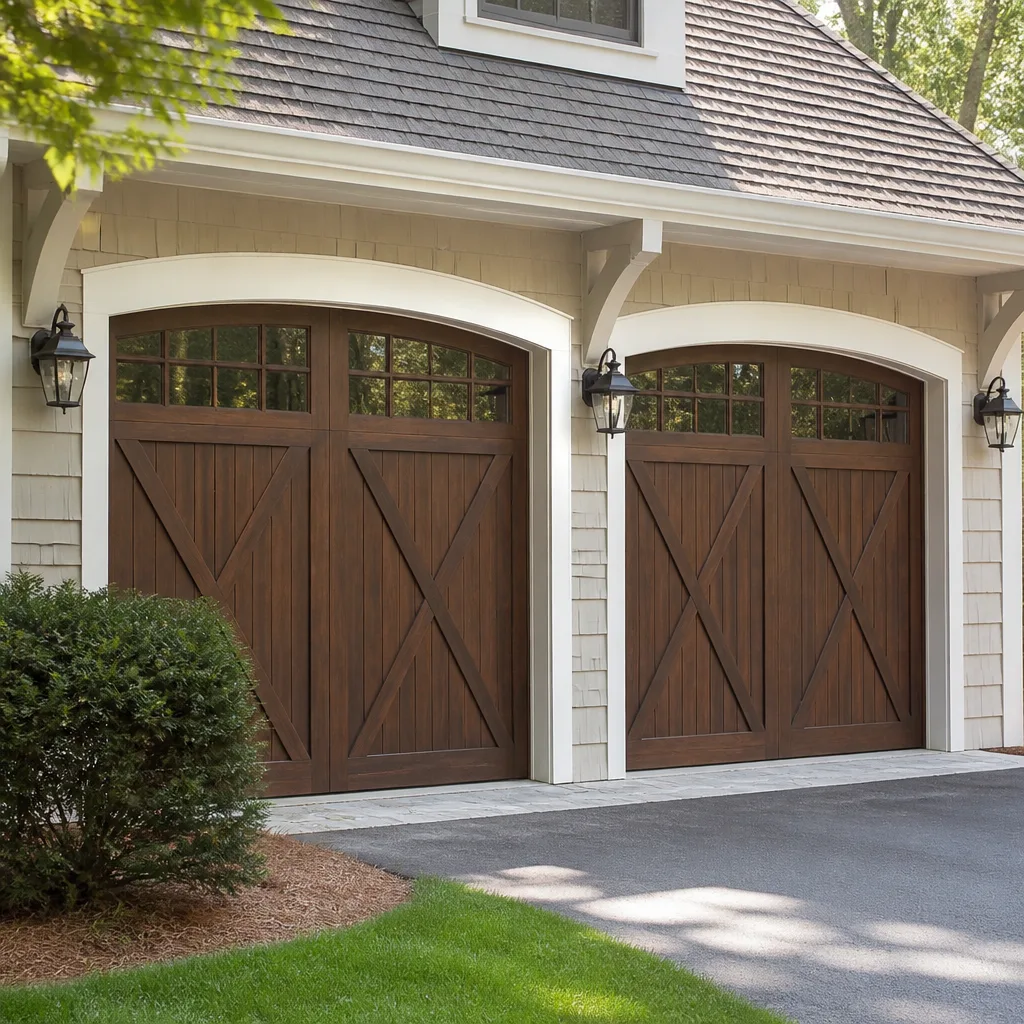 Carriage house
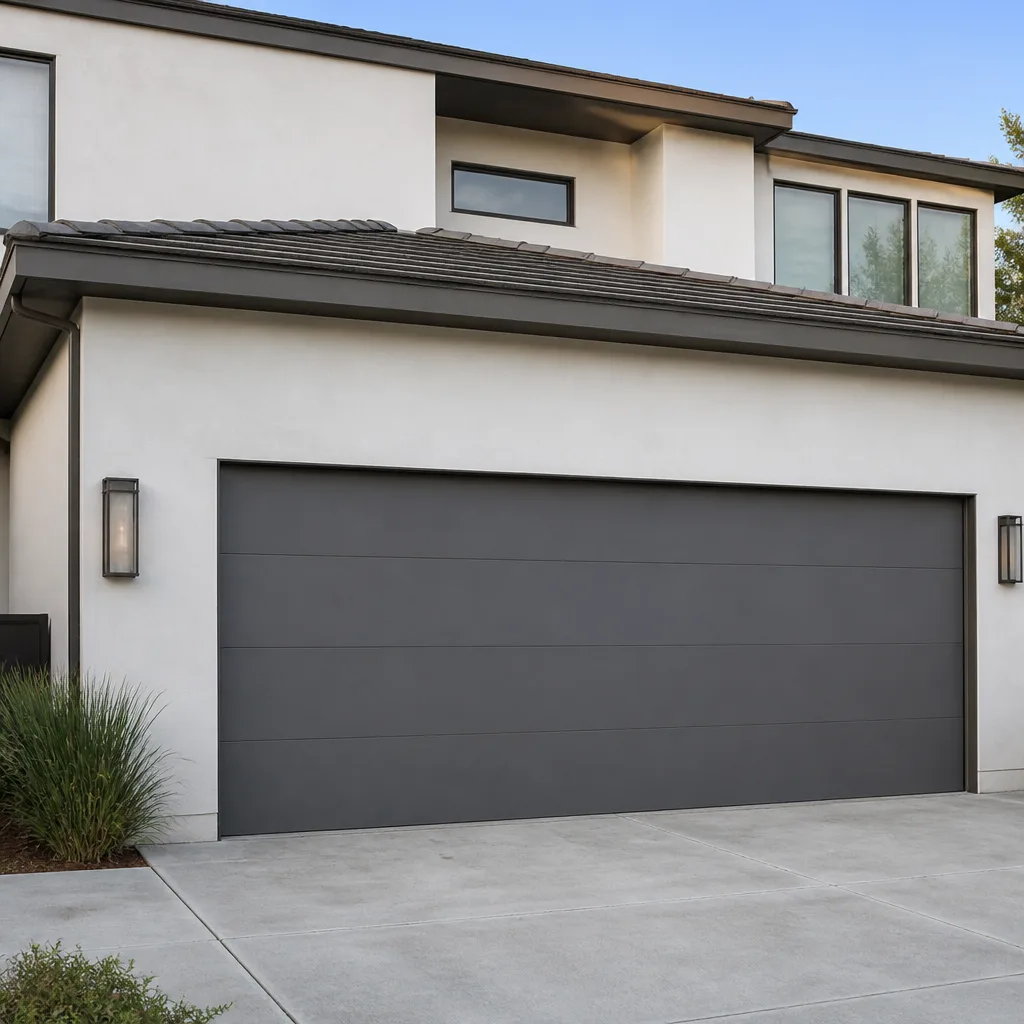 Modern flush
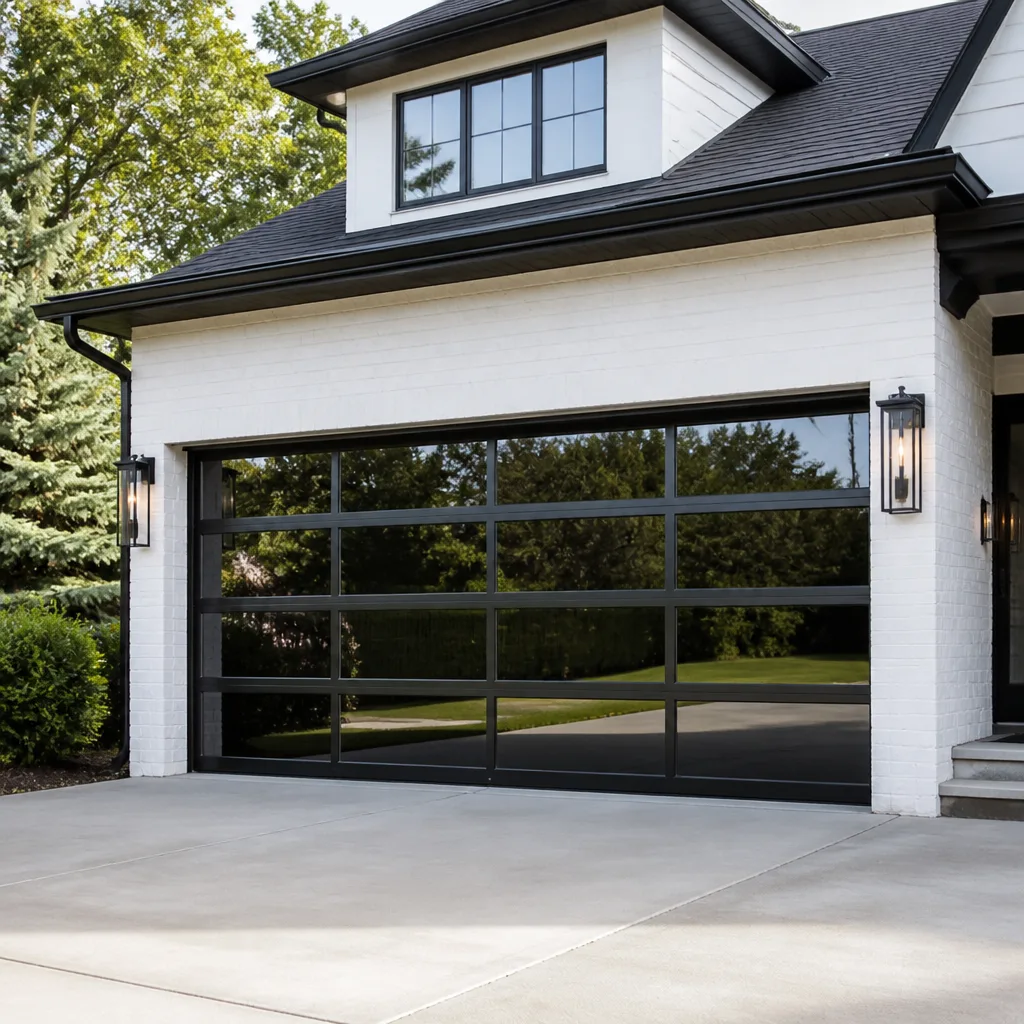 Full-view glass
 LiftMaster openers
 Chamberlain openers
Full 25-point door and opener safety check with every visit - springs, cables, rollers, tracks, and your LiftMaster or Chamberlain opener included
You get a price before we start. It does not change when the pro arrives.
Get your free estimateGarage Door Repair Maintenance Checklist for Alexandria Homeowners
The most common maintenance mistake we see in Alexandria isn’t skipping lubrication. It’s lubricating the wrong parts. Grease on plastic rollers or nylon tracks turns grit into a grinding paste and wears those components faster than if you’d left them alone. A garage door is a balanced system of springs, cables, hinges, and rollers, and each part needs different care, or none at all. This guide walks you through a pass/fail inspection in the order a technician actually works: visual, then mechanical, then electrical, then the safety test. You’ll learn what to check, what to lubricate with what, what to leave alone, and the findings that mean stop and call. If a check turns up something serious, our Garage Door Repair Alexandria Pros team can take it from there.
Quick Answer
A solid garage door maintenance checklist runs in four passes: a visual walk-around for damage and wear, a mechanical check of balance, rollers, hinges, and seals, an electrical check of the opener and safety sensors, and a final reverse test. Lubricate metal hinges, rollers, and the torsion spring with a lithium- or silicone-based garage door lubricant, and never grease nylon rollers, the tracks, or the bottom seal. Anything involving springs, cables, or panel replacement is a stop-and-call finding.
Styles & brands we work with
- Raised-panel steel
- Carriage house
- Modern flush
- Full-view glass
- LiftMaster openers
- Chamberlain openers
Table of Contents
- Why the Order of Your Checklist Matters
- Step 1: The Visual Walk-Around
- Step 2: The Mechanical Pass
- Step 3: Lubrication Done Right
- Step 4: The Electrical and Opener Check
- Step 5: The Safety Reverse Test
- Alexandria Climate: What Fails Here First
- A Seasonal Rhythm for Alexandria
- Red Flags That Mean Stop and Call
Why the Order of Your Checklist Matters
Most maintenance checklists are organized by component: springs here, opener there, weather seal at the bottom. That reads neatly, but it doesn’t match how a door fails. A door that won’t close properly might have a sensor problem, a balance problem, or a bent track, and you need to rule them out in a logical sequence rather than guessing.
The protocol in this guide follows the same order a technician uses when arriving at a garage in Alexandria. It’s built around three rules.
- Look before you touch. Visual findings set the agenda for everything after. A frayed cable or a bent track changes what’s safe to test.
- Test balance before testing the opener. If the door is out of balance, an opener test tells you nothing useful and loads the motor unnecessarily.
- Finish with the safety reverse. The electric eye and the reverse-on-contact test only mean something once the door moves freely on its own track.
A door that passes all four passes is in good shape. A door that fails one should be rechecked after any adjustment. A door that fails a red-flag item in the last section gets parked and called in, not monitored. That last part matters more than people expect, and we’ll come back to it.
Step 1: The Visual Walk-Around
Start with the door closed and the opener disconnected. Walk the full width of the door, inside and out, and check these items. Any of them is a pass or a fail, not a “we’ll see.”
- Panels and joints: Look for cracks, dents, separation at the hinges, and sagging. On a steel or wood door, run a hand lightly along panel seams for bubbling paint or soft spots.
- Cables: Inspect both sides for fraying, kinks, or slack. Cables should be taut and even. A single broken strand is a fail.
- Springs: Look at the torsion spring above the door or the extension springs along the sides. A visible gap in a torsion spring means it’s broken. Rust and paint flaking are early warning signs.
- Hinges and brackets: Check for loose screws, metal fatigue, and rust at the pivot points. Tighten loose fasteners only if the surrounding metal is sound.
- Rollers: Look at the wheels in the track. Steel rollers should be free of flat spots. Nylon rollers should be round and quiet.
- Weather seal: Look at the bottom rubber for cracks, tears, and gaps against the floor. Look at the side and top seals for hardening or shrinkage.
- Hardware and fasteners: Scan the whole door for missing bolts, bent brackets, and any loose piece that moves when you press it.
In Alexandria, this pass turns up two patterns again and again: hardened bottom seals that no longer touch the floor, and loose hinge screws on older wood-frame doors. Both are cheap to fix early and expensive to ignore.
Step 2: The Mechanical Pass
With the opener disconnected (pull the release cord), the door should move by hand. This is the balance and travel test, and it’s the safest way to check a door without touching spring hardware.
- Lift the door to halfway and let go. A properly balanced door holds its position or moves only slightly. A door that drops or rises on its own is out of balance.
- Raise and lower it fully by hand and feel for binding, grinding, or a spot where it catches. A door should glide smoothly through the whole travel.
- Check the tracks by looking down their length from the floor. The vertical tracks should be plumb, and the horizontal tracks should be level. A bent or kinked track is a fail.
- Test the rollers by moving the door a few inches and watching each roller in its hinge. A roller that wobbles in the hinge or scrapes the track needs attention.
- Check the bottom seal contact with the door closed. Slide a piece of paper under the seal along its width. It should grip, not slide out freely. Gaps are common in Alexandria after a cold snap hardens the rubber.
If the door binds at the same point every time, don’t force it. Note where it catches, lower it, and treat that as a mechanical finding. Balance problems almost always point back to spring tension, which is a job for a trained technician.
Step 3: Lubrication Done Right
This is where most DIY maintenance goes wrong. The rule is simple: lubricate metal-on-metal contact points with a garage door lubricant, and leave plastic and rubber alone.
What to lubricate, and with what
- Metal hinges and pivot points: A white lithium grease or a silicone-based garage door spray. A light coat on each hinge pin is enough.
- Steel rollers: A few drops of light oil or lithium spray on the bearing, not on the wheel face.
- Torsion spring (coil only): A light coat of garage door lubricant along the coils reduces friction. Apply it carefully and never put your hands near the spring while the door is up or under tension.
- Lock and latch mechanisms: Graphite powder or a dry lubricant, never wet grease, which attracts grit.
- Opener rail and chain: A small amount of the manufacturer’s recommended lubricant on the chain or screw drive, following the manual for your LiftMaster, Chamberlain, or Genie unit.
What to never lubricate
- Nylon rollers: They’re designed to run dry. Grease attracts dust and grit that grinds the nylon.
- Tracks: Wipe them clean with a dry cloth. Grease on tracks collects debris and causes binding.
- Bottom seal and rubber weather stripping: Use a silicone spray or a rubber conditioner designed for seals, never grease. And never use WD-40 as a long-term lubricant on moving parts.
- Plastic gears and bushings: They’re self-lubricating. Adding oil can degrade them.
Do this once or twice a year. In our experience, a correctly lubricated door is quiet, easy to lift, and easier on the opener motor, which matters given how many Alexandria homes rely on a wall-mounted opener in a tight garage.
Step 4: The Electrical and Opener Check
Reconnect the opener and run the door from the wall control. Watch and listen for the normal indicators of a healthy system.
- Movement: The door should open and close at a steady pace without jerking or stopping partway.
- Sound: A healthy opener hums. Grinding, rattling, or a click-then-nothing pattern points to a drive or logic-board issue.
- Lights: The opener’s light should come on and stay on during the cycle. On LiftMaster and Chamberlain units, a flashing light or a specific blink pattern often corresponds to a sensor or travel-limit fault, which the manual will explain.
- Safety sensors: With the door open, check the two small sensors near the floor at each side of the opening. Both should have a steady indicator light. A blinking sensor light usually means misalignment or a blocked beam.
- Manual release: Test the release cord with the door closed and the opener disengaged, then re-engage it. It should snap back cleanly.
- Remote and keypad: Test one remote and the wall control. If the remote works only up close, the battery is the first thing to check, then the antenna on the opener.
Most opener faults in Alexandria fall into a few categories: sensors knocked out of alignment, travel limits drifting over time, and worn drive gears on older units. If the unit is a Genie or a Craftsman and the opener itself is the problem, our garage door opener repair service covers brand-specific diagnostics and parts.
Step 5: The Safety Reverse Test
This is the last pass, and it’s the one that protects people and pets. Do it every time you finish the checklist, and ideally once a month.
- Test the photo-eye: Close the door and, as it descends, wave an object (a broom handle works) across the sensor beam near the floor. The door should reverse immediately.
- Test the contact reverse: Place a solid object like a 2×4 flat on the floor in the center of the opening. Close the door. It should contact the object and reverse. If the door presses down and keeps going, the opener’s force setting or reverse mechanism needs adjustment.
- Check the force setting: If the door reverses too easily on a light touch, the force setting may be too low and the door may not close reliably. Most openers have a force adjustment, but it’s a setting to be changed carefully, following the manual.
- Check the safety label and manual on the opener. A door without a working safety reverse is a fail, no matter how smoothly it runs.
This is also the point to check whether the door has an older opener that predates modern safety standards. If it does, an upgrade is worth considering, and that’s one of the cases where garage door installation work on the opener side makes sense alongside a new door.
Alexandria Climate: What Fails Here First
Alexandria’s weather is hard on garage doors in specific ways, and a generic checklist misses them. Here’s what a technician actually watches for in Northern Virginia.
Humidity and wood panel swelling
Summers here are humid enough that wood and wood-composite garage doors can swell at the panel joints and along the bottom rails. A door that fits perfectly in April may bind in August. Watch for paint cracking at seams, panels that look slightly bowed, and a door that catches in the same spot on warm days. Keeping wood doors painted and sealed is the best defense, and checking panel joints in late spring is the time to catch it.
Freeze-thaw and the bottom seal
Winter brings freeze-thaw cycles that harden a rubber bottom seal, crack it, or lift it away from the floor. A gap at the bottom lets in cold air, water, and pests, and it stresses the opener as the door tries to close against an obstruction. Check the seal after the first hard freeze and again in early spring. Replacing a bottom seal is one of the simpler fixes, and it makes a real difference to a garage’s draftiness.
Oxidation on exterior hardware
Alexandria’s humidity and temperature swings promote oxidation on exterior hinges, brackets, and fasteners, especially on older doors. Rust at a hinge pin or a bracket base is an early sign of a part that will fail. A wipe-down and a light coat of lubricant on exposed metal slows it. Steel rollers with surface rust should be replaced rather than greased over.
Fall debris in the tracks
Between falling leaves and the occasional windstorm, tracks and the gap under the bottom seal collect debris. A quick clean-out in October and again in spring keeps the door running smoothly.
A Seasonal Rhythm for Alexandria
You don’t need to run every pass every month. A simple seasonal rhythm covers what actually changes here.
Spring (March-May)
- Full visual walk-around after winter.
- Check bottom seal contact and replace if it’s hardened or cracked.
- Clean and dry the tracks.
- Lubricate hinges and metal rollers.
- Run the safety reverse test.
Summer (June-August)
- Watch wood doors for panel swelling and binding.
- Check the opener for overheating or noisy operation during hot cycles.
- Test sensors after any storm or power outage.
Fall (September-November)
- Clear tracks and the seal gap of leaves and debris.
- Check exterior hardware for rust.
- Lubricate the torsion spring and hinges before the cold sets in.
- Run the full safety reverse test.
Winter (December-February)
- Check for ice or snow packed under the bottom seal.
- Listen for new noises when the opener runs in cold weather.
- If the door feels heavier than usual, treat that as a balance finding and call for a check.
If you’re short on time, the spring and fall passes are the two to prioritize. Those are the moments when a small fix in Alexandria prevents a bigger repair.
Red Flags That Mean Stop and Call
Most maintenance findings can wait for the next scheduled check. These cannot. Springs and cables are under extreme tension, and a mishandled spring or cable can cause serious injury. Don’t touch spring hardware, don’t try to adjust cables, and don’t attempt to replace a torsion spring yourself. If you see any of the following, lower the door carefully if it’s safe to do so, keep people and vehicles clear, and call a professional.
- A broken torsion spring (visible gap in the coil) or a door that feels extremely heavy.
- A frayed or kinked cable, or a cable that has come off its drum.
- A door that hangs crooked or one side that drops lower than the other.
- A bent or torn track, or a roller that’s popped out of the track.
- Loud cracking or snapping sounds when the door moves.
- A door that reverses or won’t close despite a clear sensor path and a fresh battery in the remote.
- Exposed electrical wiring or a burning smell at the opener or wall control.
These are the failures our garage door repair service handles most often, and spring work is a service we offer as its own line item because it needs the right tools and training. Most of these are also situations where same-day service makes sense, since a door that’s stuck open means a garage isn’t secure and a car may be trapped inside.
Common Mistakes to Avoid
- Greasing nylon rollers and tracks. It feels like maintenance but it attracts grit and wears these parts faster. Keep nylon dry and wipe tracks with a clean cloth.
- Using WD-40 as a long-term lubricant. It’s a solvent, not a bearing lubricant. It can strip the factory lubrication from hinges and rollers.
- Adjusting spring tension yourself. This is the single most dangerous DIY garage door task. Balance issues go to a technician, every time.
- Ignoring a noisy opener. In Alexandria’s humid summers, a noisy opener often means a worn drive gear or a loose rail, and both get worse when left alone.
- Patching a cracked panel with caulk. It hides the problem while moisture gets behind the patch. A cracked panel usually needs repair or replacement.
- Skipping the safety reverse test. It’s the cheapest, fastest check in this guide and the one most people forget. It’s also a genuine safety issue.
- Over-tightening hinge screws into soft wood. In older Alexandria homes, a stripped screw hole means a hinge that keeps working loose. Backing out and using a slightly larger fastener or the correct repair is the fix.
See the difference
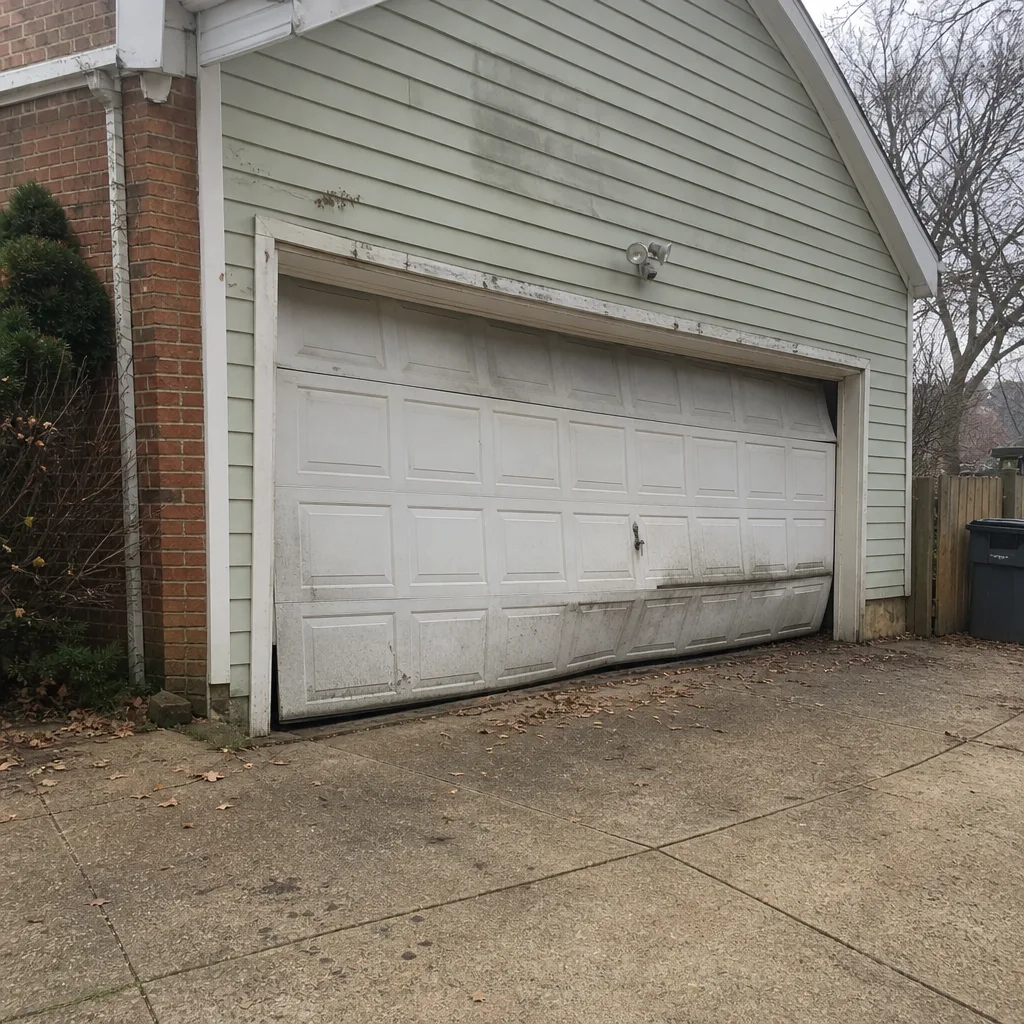 Before
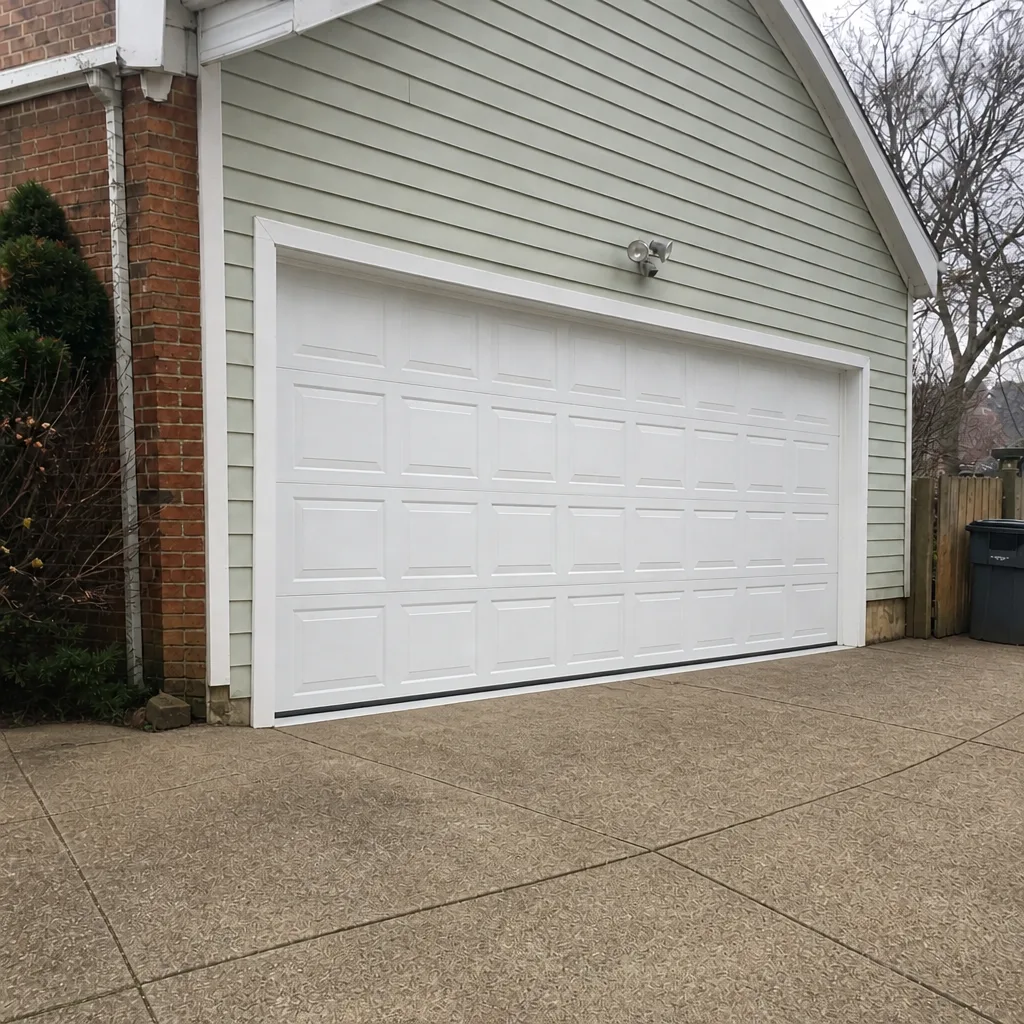 After
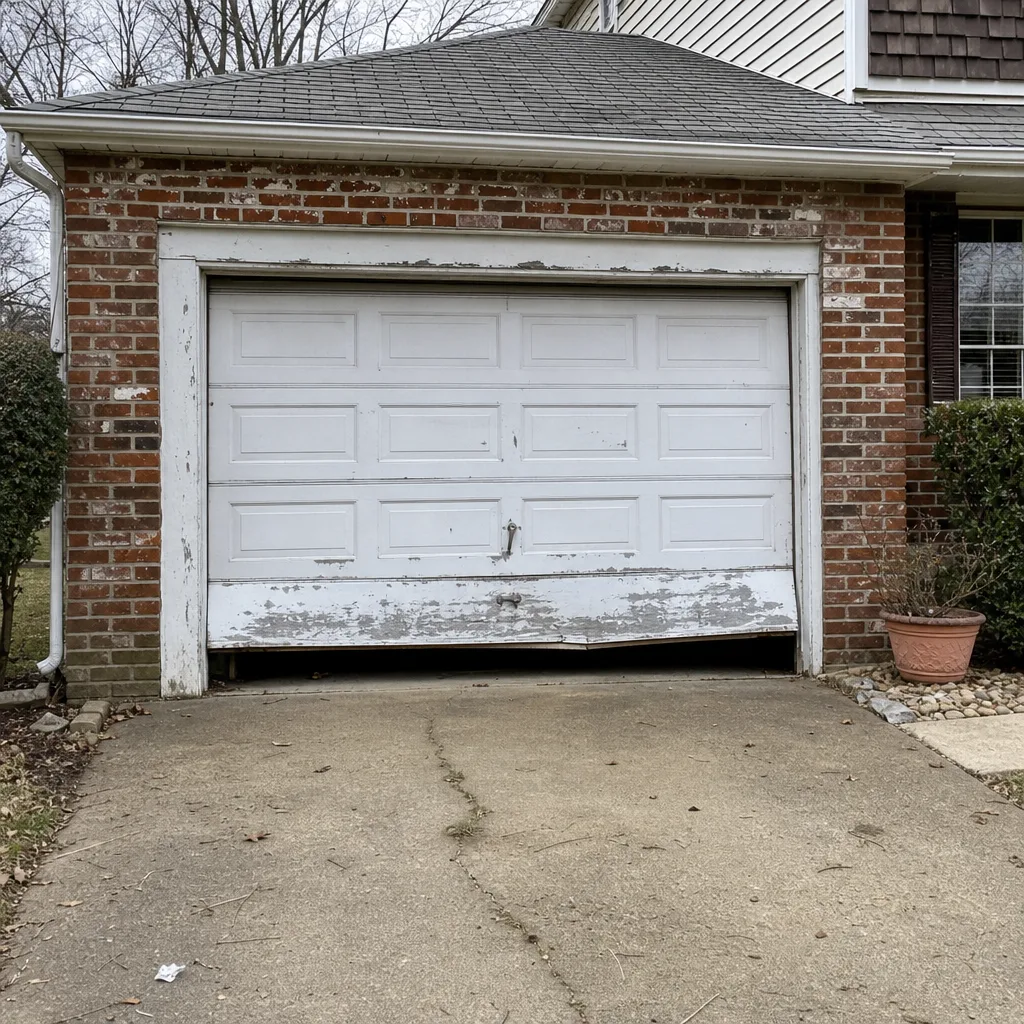 Before
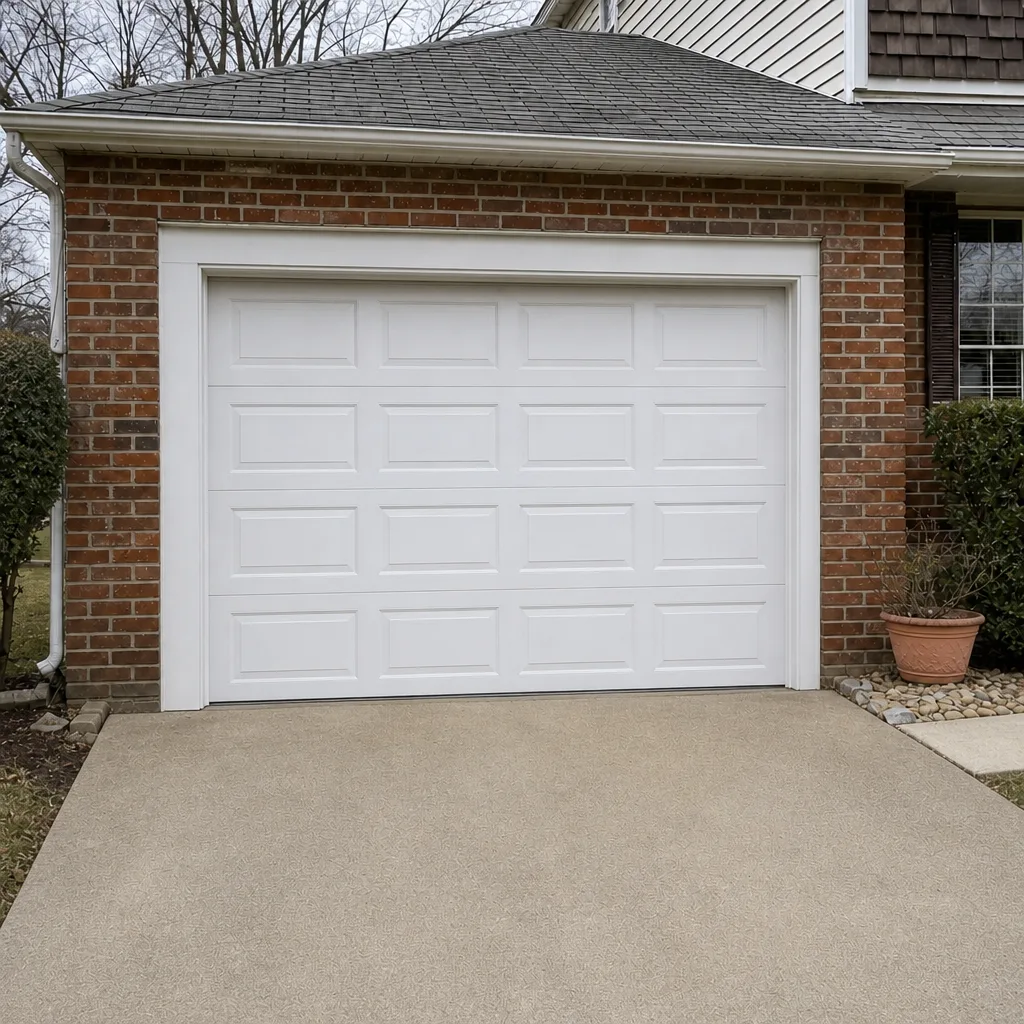 After
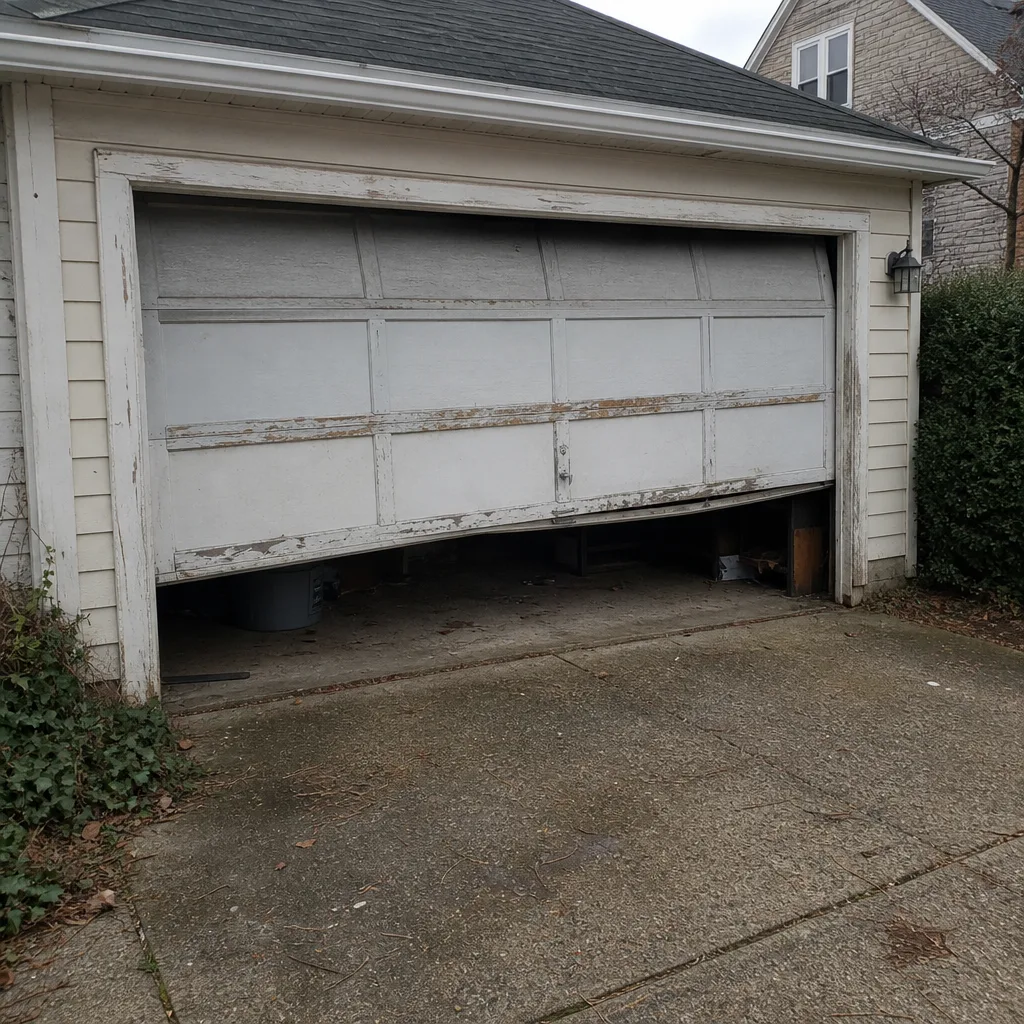 Before
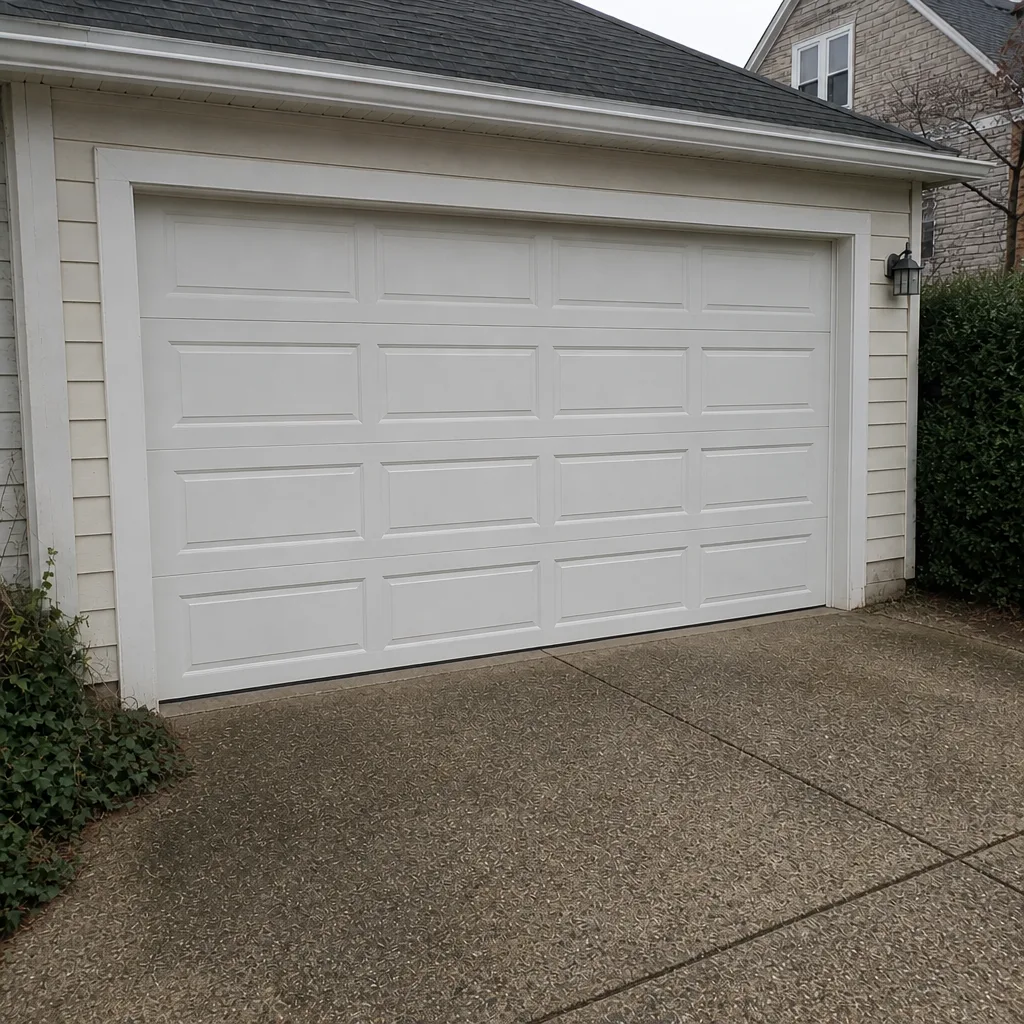 After
When to Call a Professional
Call a professional when the checklist turns up a red flag (springs, cables, a crooked door, a bent track, an exposed wire), when the door won’t balance or stays consistently heavy, or when the opener itself is failing despite a clear sensor path. Call when you’ve replaced the bottom seal and the door still won’t close cleanly, or when the door binds at the same spot after lubrication. Those point to alignment and tension problems that only get worse with use. Garage Door Repair Alexandria Pros offers free estimates in Alexandria, and our technicians have up to 14 years of experience across major brands including LiftMaster, Chamberlain, Genie, and Raynor. Call (833) 508-9704. We answer 24/7. Fast dispatch from 7am to 7pm, Sunday through Friday.
Frequently Asked Questions
Twice a year covers most Alexandria homes, with a spring and fall pass through the full checklist and a monthly safety reverse test. Do a visual walk-around after any storm or extreme temperature swing, since the humidity and freeze-thaw cycles here can change how a door fits and moves. If you’re doing only two passes a year, prioritize the fall check before winter.
Use a white lithium or silicone-based garage door lubricant on metal hinges, steel roller bearings, and the torsion spring coils. Never lubricate nylon rollers, the tracks, or the rubber bottom seal, because grease attracts grit and degrades those parts. That’s the most common mistake we see in Alexandria. Call (833) 508-9704 if you’re not sure what your door’s hardware needs. Estimates are free.
No. Garage door springs are under extreme tension, and the tools and techniques required are specific to the job. Working on a spring yourself can cause serious injury. A broken spring is a stop-and-call finding, and spring repair is a service that should only be done by a trained technician.
Cost depends on the specific failure, and we don’t quote over the phone without knowing the door. The written estimate sets the final price, and it’s free. Call (833) 508-9704 for an exact quote once we’ve looked at the door. We answer 24/7.
A door that reverses on the floor usually has a misaligned safety sensor, a hardened bottom seal, or a contact reverse setting that’s too sensitive. Check the sensor lights first, then the bottom seal. If both look fine, the opener’s travel or force setting needs adjustment. Call (833) 508-9704 if you’d rather have us diagnose it. Estimates are free.
Yes, especially on wood and wood-composite doors, which can swell at the panel joints in summer and bind. Steel doors are less affected by swelling, but exterior hinges and rollers will oxidize faster here due to humidity. Seasonal sealing and lubrication handle most of it. Same-day service is available when a jammed door needs help.
The Bottom Line
A garage door maintenance checklist works best when it follows the way a door fails: look, test, lubricate, then verify the safety reverse. Lubricate metal and leave nylon and rubber alone. In Alexandria, humidity and freeze-thaw cycles make wood panel swelling and bottom seal wear the two patterns to watch for, so a spring and fall pass catches most problems before they become repairs. Treat springs and cables as stop-and-call findings. And when a check turns up something you shouldn’t touch, call a specialist rather than monitor it. A quick check now saves a bigger repair later, and most of what this guide covers takes under half an hour.
If a check turns up something sounding like a problem, or you’d simply rather have someone look it over, call Garage Door Repair Alexandria Pros at (833) 508-9704 for a free estimate. We work on your brand, from Raynor to LiftMaster, and we handle repair through installation with one team. We answer 24/7. Fast dispatch from 7am to 7pm, Sunday through Friday.
Written by the team at Garage Door Repair Alexandria Pros.