
Last updated November 22, 2026
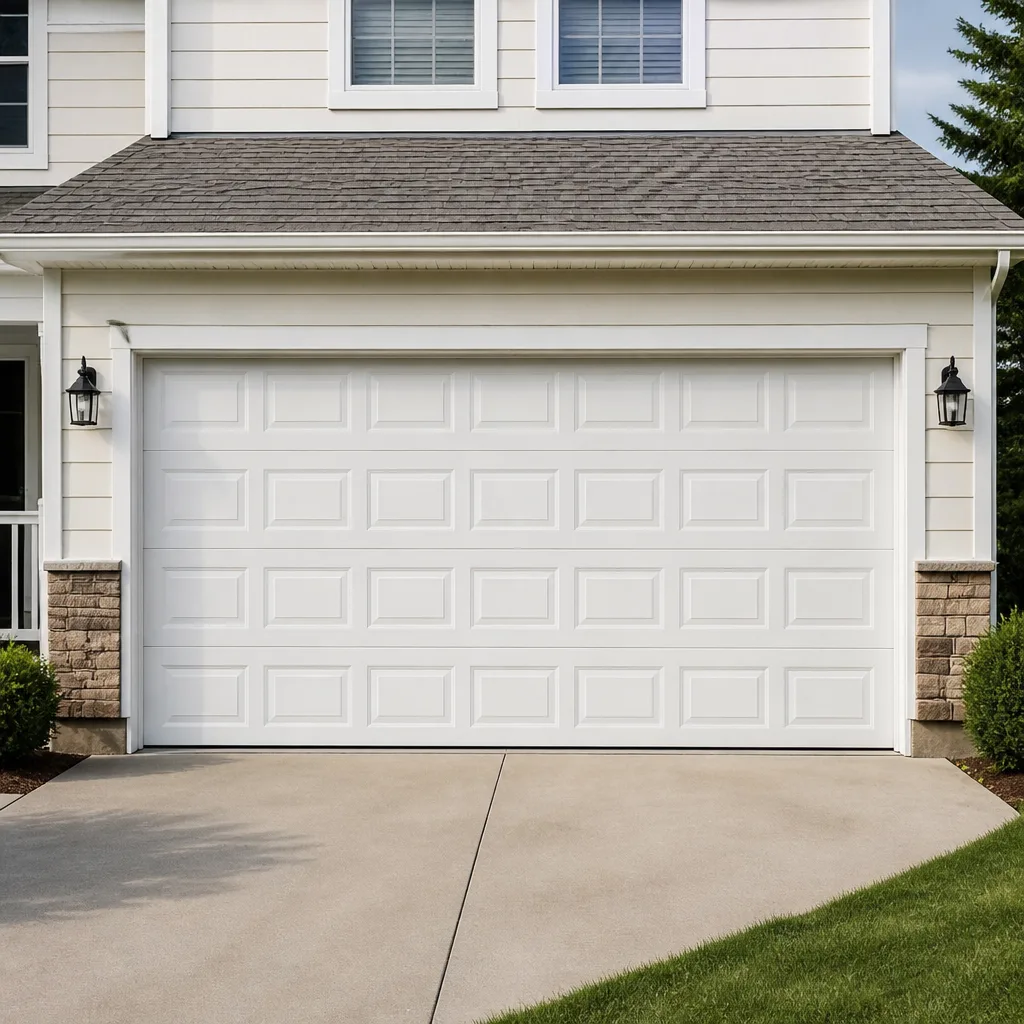 Raised-panel steel
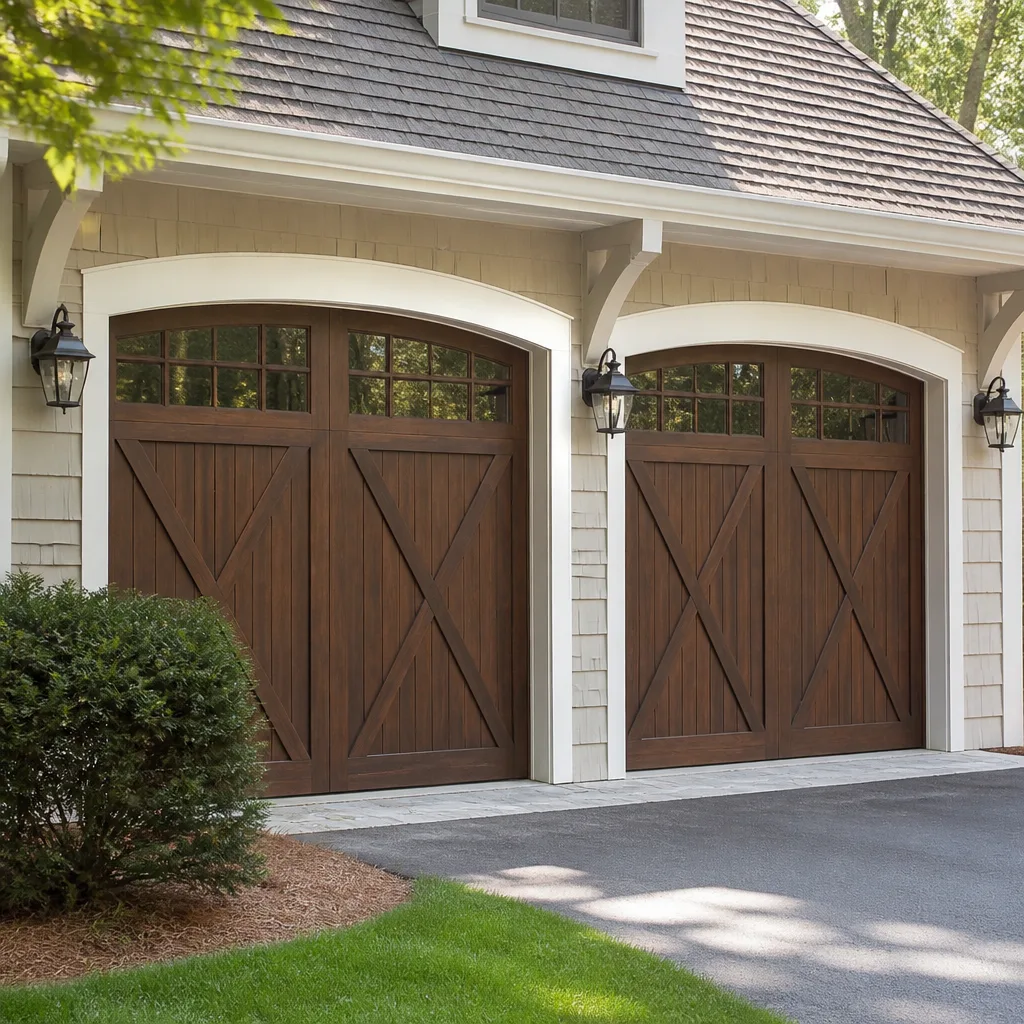 Carriage house
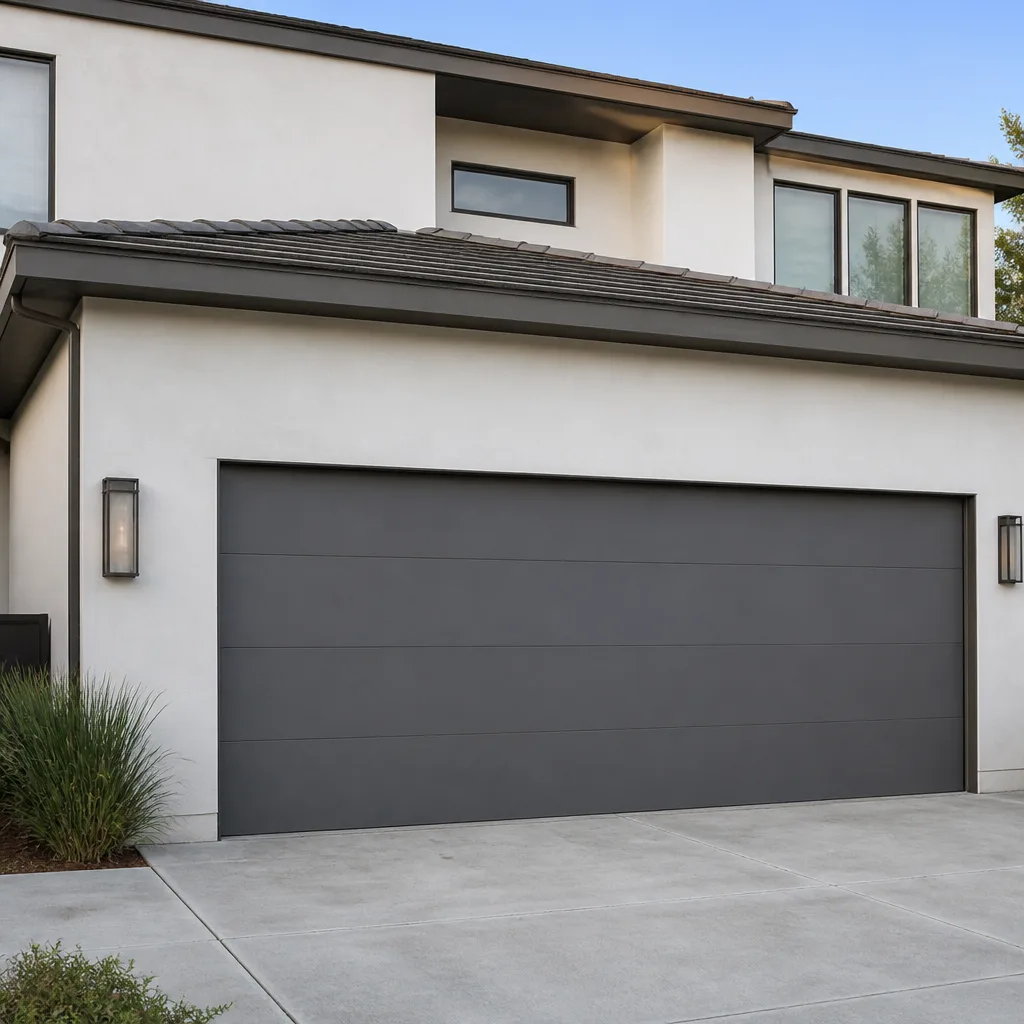 Modern flush
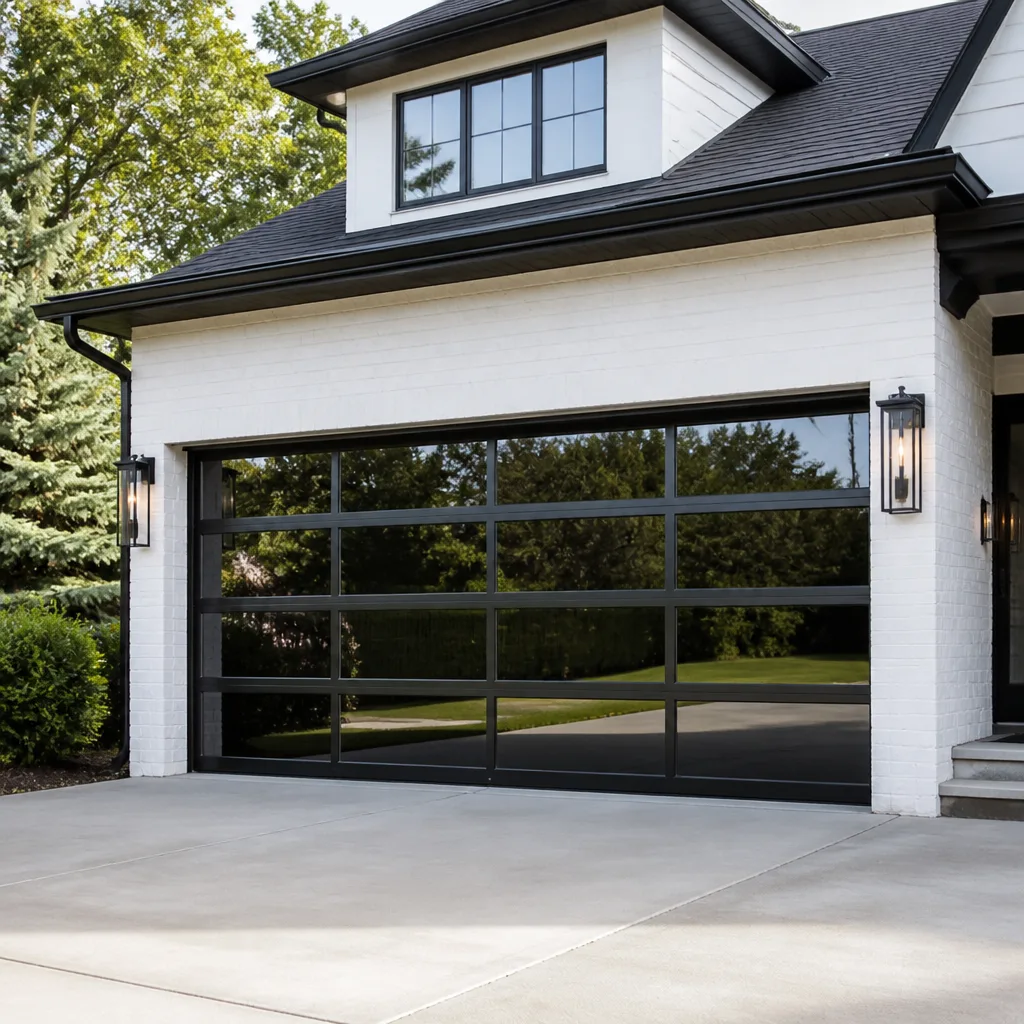 Full-view glass
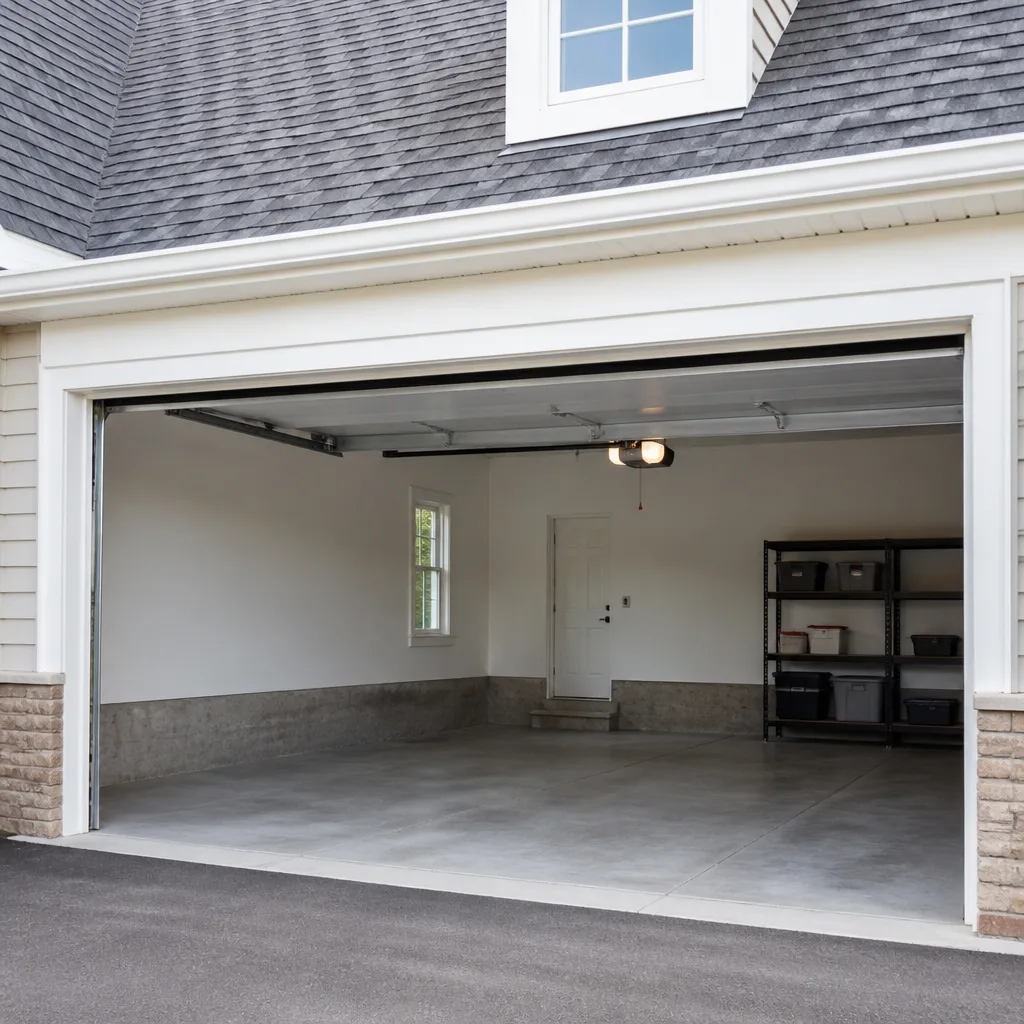 LiftMaster openers
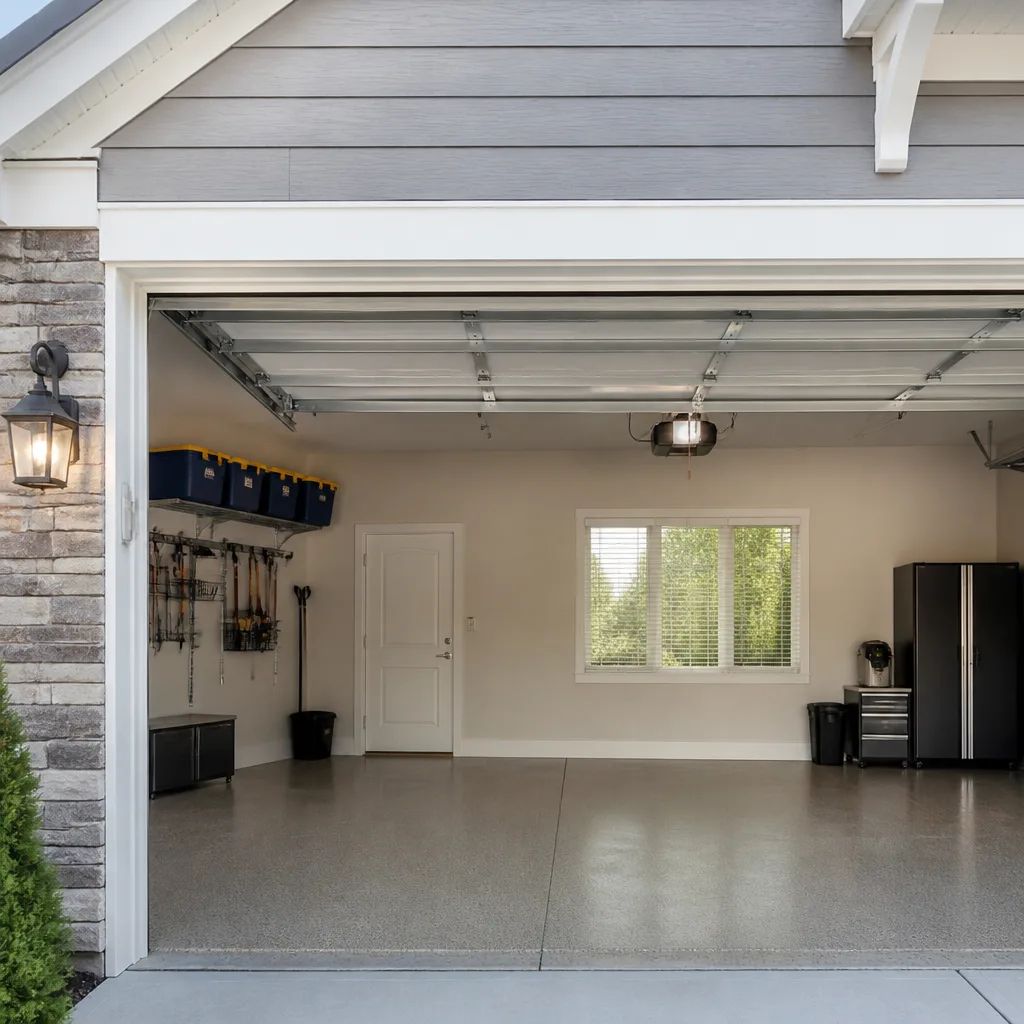 Chamberlain openers
Full 25-point door and opener safety check with every visit - springs, cables, rollers, tracks, and your LiftMaster or Chamberlain opener included
You get a price before we start. It does not change when the pro arrives.
Get your free estimateGarage Door Repair Maintenance Schedule: What to Do and When
Spraying WD-40 on your garage door tracks is one of the most common maintenance mistakes in the country. It attracts grit, accelerates wear on the rollers, and in some cases voids the manufacturer’s warranty on your door or opener. Yet it’s the first thing most homeowners reach for when a door starts to stick or squeak. The truth is that a garage door needs very little attention, but it needs the right attention at the right interval. Over-lubricating is as damaging as never lubricating at all. In this guide, we’ll walk you through a tiered maintenance schedule built around what actually wears out on Alexandria doors, which products belong on which components, and how two simple tests can catch most developing problems before they turn into a broken spring at 7am.
Quick Answer
A garage door maintenance schedule has three tiers: monthly visual checks (10 minutes), quarterly lubrication and balance testing (20 minutes), and an annual hardware inspection by a trained technician. Most homeowners only do the annual tier, or nothing at all, which is why springs fail without warning and openers burn out early. The single most important habit is the monthly visual and balance check, because it catches 80% of developing problems while they’re still cheap to fix.
Styles & brands we work with
- Raised-panel steel
- Carriage house
- Modern flush
- Full-view glass
- LiftMaster openers
- Chamberlain openers
Table of Contents
- Why a Real Schedule Beats Occasional Fixes
- The Monthly Tier: Ten-Minute Visual Checks
- The Quarterly Tier: Lubrication and Balance Testing
- The Annual Tier: Hardware Inspection and Force Sensitivity
- Which Lubricant Goes Where (and What Never to Use)
- Seasonal Prep for Northern Virginia
- What Voids a Warranty and What to Document
- Common Mistakes to Avoid
- When to Call a Professional
Why a Real Schedule Beats Occasional Fixes
Garage doors fail in two ways: suddenly and slowly. The sudden failures get the attention, but they’re almost always the endpoint of a slow failure nobody noticed. A torsion spring doesn’t snap on a Tuesday for no reason. It snaps because it cycled 15,000 times while a slightly misaligned track put lateral stress on the drums, or because the door was never balanced after someone adjusted the opener force to compensate for a dragging roller. By the time the spring breaks, the underlying problem has been developing for months.
A tiered schedule works because each tier catches a different class of problem. Monthly checks catch visible wear, alignment drift, and balance changes. Quarterly lubrication addresses friction. The annual inspection catches the things you can’t see from the driveway: worn hinge bearings, cable fraying near the drum, opener gear wear, and roller flat-spotting.
In our experience working on Alexandria doors, the homes that follow a schedule go far longer between major repairs than the ones that call only when something breaks. That’s not because scheduled maintenance is magic. It’s because small problems get fixed while they’re still small. A worn roller is a cheap replacement. A worn roller that’s been grinding on a bent track for a year takes the track, the hinge, and sometimes the panel with it.
The schedule below is calibrated for a typical Alexandria home: a door that cycles four to six times a day, sits in a garage that sees real humidity swings from June through September, and faces a winter that includes at least a few hard freezes. If your door cycles far more often, say for a home business or a multi-car household where the door runs a dozen times a day, compress the schedule by about a third.
The Monthly Tier: Ten-Minute Visual Checks
The monthly tier is not maintenance in the traditional sense. It’s inspection. You’re not fixing anything, you’re looking for early warning signs. Ten minutes once a month, ideally on the same day so it becomes a habit, is enough to catch most developing problems.
Work through this list in order. Do it with the door closed, then repeat the balance check with the door partway open.
- Look at the springs. A torsion spring sits on a shaft above the door. An extension spring runs alongside the track. On either type, look for visible gaps, a strong curve where the spring should be straight, or rust-colored dust on the coils. Any of those means the spring is on its way out and needs a professional look before it fails.
- Check the cables. With the door closed, the cables should be under tension and sitting cleanly in their drums. Look for fraying, kinks, or slack. Never touch a cable under tension. If it looks wrong, stop and call.
- Inspect the rollers. Nylon rollers should be smooth and round. Steel rollers should turn freely. Any roller with a flat spot, a crack, or visible wobble is a replacement candidate.
- Run your hand along the tracks. Not literally, but look closely. Tracks should be straight, plumb, and free of dents. A small dent near a roller is a big deal because it forces the roller to jump, which wears everything downstream.
- Check the hinges. Hinges hold the panels together. Loose hinge screws are common and easy to spot. A hinge with a worn bearing will squeal when the door moves.
- Look at the weather seal. The bottom seal should touch the floor evenly along its full length. Gaps let in water, cold air, and pests. A torn or flattened seal is a simple replacement.
- Test the safety reverse. Put a roll of paper towels under the door and close it. The door should reverse on contact. If it doesn’t, stop using the opener and get it serviced before anything else.
Log what you find each month, even if it’s “nothing.” A written log makes the annual inspection far more useful, and it’s the documentation you’ll want if a warranty question ever comes up.
The Quarterly Tier: Lubrication and Balance Testing
The quarterly tier is where most homeowners go wrong, and where WD-40 does its damage. Lubrication is not a “more is better” task. Each component needs a specific product, applied in a specific amount, at a specific interval. Getting this right extends the life of rollers, hinges, and springs. Getting it wrong accelerates wear and can void a warranty.
The Quarterly Balance Test
The balance test is the most valuable five minutes you’ll spend on your door all year. It tells you whether the springs are still carrying the door’s weight correctly. An unbalanced door puts enormous strain on the opener, and opener failures are often just the symptom of a door that’s been out of balance for months.
- Close the door fully and disconnect the opener using the manual release cord. The door should now move freely by hand.
- Lift the door to about waist height. It should stay where you let go. It should not drop, and it should not rise on its own.
- Lift it to shoulder height and let go. Same test.
- Lift it to just below fully open and let go. Same test.
If the door drops or rises at any of those points, the springs are out of balance. Reconnect the opener only long enough to close the door, then call a professional. Do not attempt to adjust the springs yourself. Torsion springs are under extreme tension, and the tools required to adjust them safely are specific to the trade. This is the one part of the schedule where the correct action is to stop and hand it off.
Quarterly Lubrication
Apply the right product to the right part, and nothing to the rest. The right product for each component:
- Springs: white lithium grease. A thin coat on the coils, applied with the door closed and the springs relaxed. Never use WD-40 or silicone on springs.
- Tracks: silicone spray, applied lightly with a rag. Track surfaces should be clean and slick, not oily. Silicone dries and doesn’t attract grit.
- Rollers: a drop of light machine oil or silicone spray on the bearing of each roller, not on the roller wheel itself. Nylon rollers usually need nothing.
- Hinges: a drop of light machine oil on each hinge pivot point.
- Chain drive openers: manufacturer-specified chain oil only. Most chain drives need very little, and some are designed to run dry. Check the opener manual for your specific model. If you have a Genie or LiftMaster chain drive, the manual will tell you exactly what belongs on the chain.
- Belt drive openers: nothing. Belt drives are designed to run clean.
- Screw drive openers: manufacturer-specified screw lubricant only. Screw drives are sensitive to the wrong product.
Do the lubrication quarterly, or twice a year if your door cycles less than three times a day. More than quarterly is usually unnecessary and, on tracks, actively counterproductive.
The Annual Tier: Hardware Inspection and Force Sensitivity
The annual inspection is where a trained technician catches what the monthly tier can’t. It’s also the tier where most homeowners try to substitute a YouTube video and miss half the checklist. The point isn’t that the tasks are difficult. The point is that some of them require looking at parts of the door that aren’t visible from the ground.
Here’s what a proper annual inspection covers:
- Full spring assessment: spring length, coil spacing, cycle count, and visible wear indicators on torsion and extension springs.
- Cable inspection at both drums: fraying, corrosion, and seating. Cable failures are the most common cause of a door falling, and they’re the hardest to spot without training.
- Panel inspection: bowing, stress cracks at the hinge points, and moisture damage on wood sections.
- Track alignment: plumb, level, and gap measurements at every roller.
- Hinge and hardware torque: every bolt, every screw, every fastener.
- Roller wear assessment: bearing condition and flat-spotting.
- Opener inspection: gear wear, logic board function on modern openers, force settings, travel limits, and safety reverse calibration.
- Photo documentation: before-and-after photos of every component, useful for warranty claims and for tracking wear year over year.
The Force-Sensitivity Test
The force-sensitivity test measures how much resistance the opener encounters before it reverses. This is the test that catches the underlying cause of most opener failures. If the force setting has been dialed up to compensate for a dragging door, the safety system is compromised.
- With the door connected to the opener and the door closed, lay a 2×4 flat on the floor in the door’s path.
- Close the door using the wall control or remote. The door should reverse on contact with the board.
- If the door stops without reversing, or pushes the board before reversing, the force setting is too high or the safety reverse is misadjusted. Stop using the opener and get it serviced.
- Repeat the test with the door about halfway open, since force problems can differ by position.
If your door passes the balance test but fails the force test, the problem is in the opener, not the door. If it fails both, the door itself is out of balance and the opener is working too hard. In our experience around Alexandria, force-sensitivity failures are the single most common reason a door that “seemed fine” suddenly won’t close at all.
The annual inspection is also the right time to schedule our garage door repair team for anything the inspection turns up, since we can usually handle multiple items on the same visit.
Which Lubricant Goes Where (and What Never to Use)
This is the section that saves you the most money, because using the wrong lubricant is the maintenance mistake that does the most damage. Every product in a garage door owner’s cabinet should have a specific purpose, and “one product for everything” isn’t a real strategy.
- White lithium grease: springs. It’s thick, stays put, and won’t run off the coils. Apply with the door closed.
- Silicone spray: tracks and roller bearings. Silicone dries clean, resists water, and doesn’t collect grit. This is the right product for the tracks, not WD-40.
- Light machine oil: hinge pivots and roller bearing points. A drop is enough. Don’t spray, don’t douse.
- Manufacturer-specified chain oil: chain-drive openers only, and only the amount the manual specifies. Most chain drives need less than homeowners apply.
- Manufacturer-specified screw lubricant: screw-drive openers only. The wrong product on a screw drive can cause the carriage to bind.
And what never belongs on a garage door:
- WD-40 on tracks: the classic mistake. WD-40 is a solvent, not a lubricant. It removes whatever protection is already on the tracks, then attracts dust, which mixes with the residue and forms a grinding paste. It also voids some manufacturer warranties on rollers and tracks.
- Automotive grease on springs: designed for high-speed bearings, not slow-cycling springs. It slings off, attracts grit, and does nothing useful.
- Cooking spray: it smells like a kitchen and stays tacky for weeks. We’ve seen this more than once, and it always ends with a cleaning job on top of the original problem.
- Petroleum-based oil on nylon rollers: it degrades the nylon. Nylon rollers should usually be left dry.
If you’re not sure which product belongs on your door, the safest bet is a conversation rather than a guess. A quick call about your opener brand, or your door brand if you know it (Clopay, Amarr, and Wayne Dalton are common on Alexandria homes), is usually enough for us to tell you exactly what to use.
Seasonal Prep for Northern Virginia
Alexandria sits in a climate with real seasonal swings, and those swings drive most of the annual wear on a garage door. The schedule above is the baseline. The seasonal prep below is what makes the schedule work specifically here.
Pre-Winter: The Spring Tension Check
Northern Virginia winters bring enough hard freezes to matter for garage door hardware. Before the first freeze, run a pre-winter spring tension check: open the door fully, look at the spring length, and compare it to the length you logged during the summer. A spring that has visibly lengthened or shortened is losing tension and needs attention. Cold makes spring steel more brittle, so a marginal spring that held through October may not hold through January.
The pre-winter check is also a good time to test the safety reverse and to clear the tracks of any summer debris. Grit that’s been sitting on the tracks since August will bind in the cold.
Summer: Humidity and Wood Door Sections
Alexandria summers are humid, and humidity does more to garage doors than most homeowners expect. If you have a wood or wood-composite door, the summer months are when sections swell, hinge screws loosen, and paint blisters at the joints. Clopay and Amarr both make doors with wood sections and composite sections, and the care differs.
For wood doors, the summer prep is a quick inspection of the paint or stain at every joint, especially the bottom panel where moisture wicks up from the floor. A sealing coat on the bottom edge every couple of years is cheap; replacing a rotted bottom panel isn’t. For steel doors, summer humidity is less of a problem, but it’s still the right time to check for rust spots at the hinge points and touch them up before they spread.
Fall: Clear the Weather Seal Before Freeze Cycles
The weather seal, or bottom seal, is the rubber threshold that lines the bottom of the door. In the fall, it collects leaves, grit, and moisture. If it’s left to freeze with debris trapped against it, the seal can tear when the door closes on a hard morning. Clear the seal area before the first freeze, and check that the seal still contacts the floor evenly. A seal that’s flattened will let cold air under the door all winter.
Fall is also the right time to test the opener’s travel limits again, since a door that closed fine in August may not close flush in October if the track has shifted slightly with temperature change.
Spring: Post-Freeze Inspection
The spring thaw is when hidden winter damage tends to show up. Run a full monthly check plus a balance test within a couple of weeks of the last freeze. Cables and springs that survived the winter without complaint are the ones worth inspecting again, because cold-weather fatigue often shows up as a hairline crack rather than a full break.
Alexandria homes with a garage on a north-facing wall tend to hold frost longer, which stretches the winter stress into early spring. If your garage sits on the north side of the house, don’t skip the post-freeze check even if the calendar says spring has arrived.
What Voids a Warranty and What to Document
Most garage door and opener manufacturers offer substantial warranties, and most homeowners lose them without realizing it because of maintenance choices rather than defects. Here’s what commonly voids coverage:
- Improper lubrication: WD-40 on tracks, automotive grease on springs, or any non-specified product on an opener drive. This is the most common warranty void we see, and it’s entirely avoidable.
- Painting or refinishing a steel door incorrectly: most manufacturers specify the surface prep and the type of paint. An unsupported paint product on a steel door can void the finish warranty.
- Unauthorized modification: adding a second opener, altering the track configuration, or changing hinges without manufacturer approval.
- Spring replacement by an untrained installer: some warranties require spring replacements to be done by a trained professional with the correct tools.
- Missing documentation: many warranty claims are denied because the homeowner can’t show that maintenance was done. Keep a simple log and keep every photo from the annual inspection.
If you want to protect your warranty, document three things: the annual inspection (with photos), every professional repair (with the invoice and the parts used), and your monthly and quarterly checks (a simple note is enough). A home file or a shared photo album works. The goal is to be able to show that a failure is a defect, not a maintenance lapse.
No maintenance program makes a warranty bulletproof, but following the schedule above and keeping records gives you the best chance of a warranty claim succeeding if something goes wrong.
Common Mistakes to Avoid
- Spraying WD-40 on the tracks. It attracts grit, accelerates roller wear, and voids some warranties. Use silicone spray instead, applied lightly with a rag.
- Lubricating the chain drive more than the manual specifies. A chain drive with too much oil collects dust and wears faster than a dry one. Check your opener manual for the correct amount and product.
- Skipping the balance test. This is the single most effective five-minute check a homeowner can do, and almost nobody does it. Failing to balance-test a door is how most spring failures go unnoticed until they break.
- Adjusting the opener force to compensate for a dragging door. If the door is dragging, fix the door. Raising the force to compensate bypasses the safety system and strains the opener motor.
- Ignoring the weather seal in the fall. A torn or flattened seal that freezes with debris against it will cause more damage than the seal itself is worth. Clear it before the first freeze.
- Trying to adjust springs yourself. Torsion springs are under extreme tension. The tools that safely adjust them aren’t on a hardware store shelf. This is the one task that ends with a professional call every time, and it’s the one where trying it yourself can genuinely hurt you.
- Not documenting maintenance. A warranty claim without records is a claim without proof. A simple log and annual photos protect you when it matters.
When to Call a Professional
Some maintenance is genuinely DIY-friendly. Visual inspections, lubrication, weather seal replacement, and safety reverse testing all belong in that category. But several situations always warrant a professional call: any visible damage to a spring or cable, a door that fails the balance test, a force-sensitivity failure, a door that’s visibly crooked or stuck partway, or an opener that’s making new noises or won’t reverse on contact.
Spring and cable work is dangerous enough that even a knowledgeable homeowner should hand it off. Torsion springs are under extreme tension, and an improperly secured spring can release with enough force to cause serious injury. Our garage door spring repair service exists precisely because this is the job most worth doing right the first time. If your door won’t open and is trapping a car or leaving the home unsecured, our emergency garage door service is an explicit service line, not a footnote.
We work on the brands most Alexandria homes actually have, so a garage door opener repair call doesn’t start with a technician learning your model. If the inspection turns up something bigger, we can also handle garage door installation for a door that’s reached the end of its service life. Garage Door Repair Alexandria Pros offers free estimates in Alexandria, and a written estimate sets the price before any work begins. Call (833) 508-9704. We answer 24/7. Fast dispatch from 7am to 7pm, Sunday through Friday.
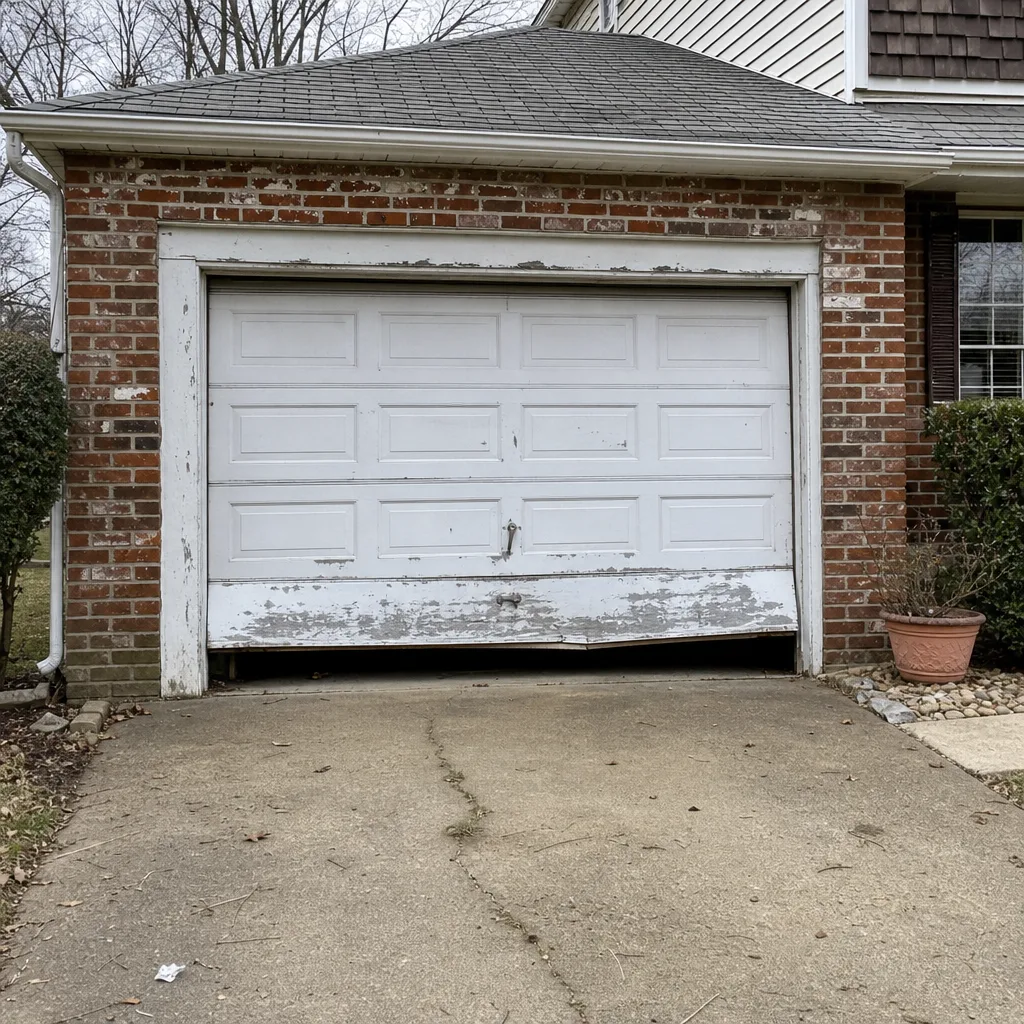
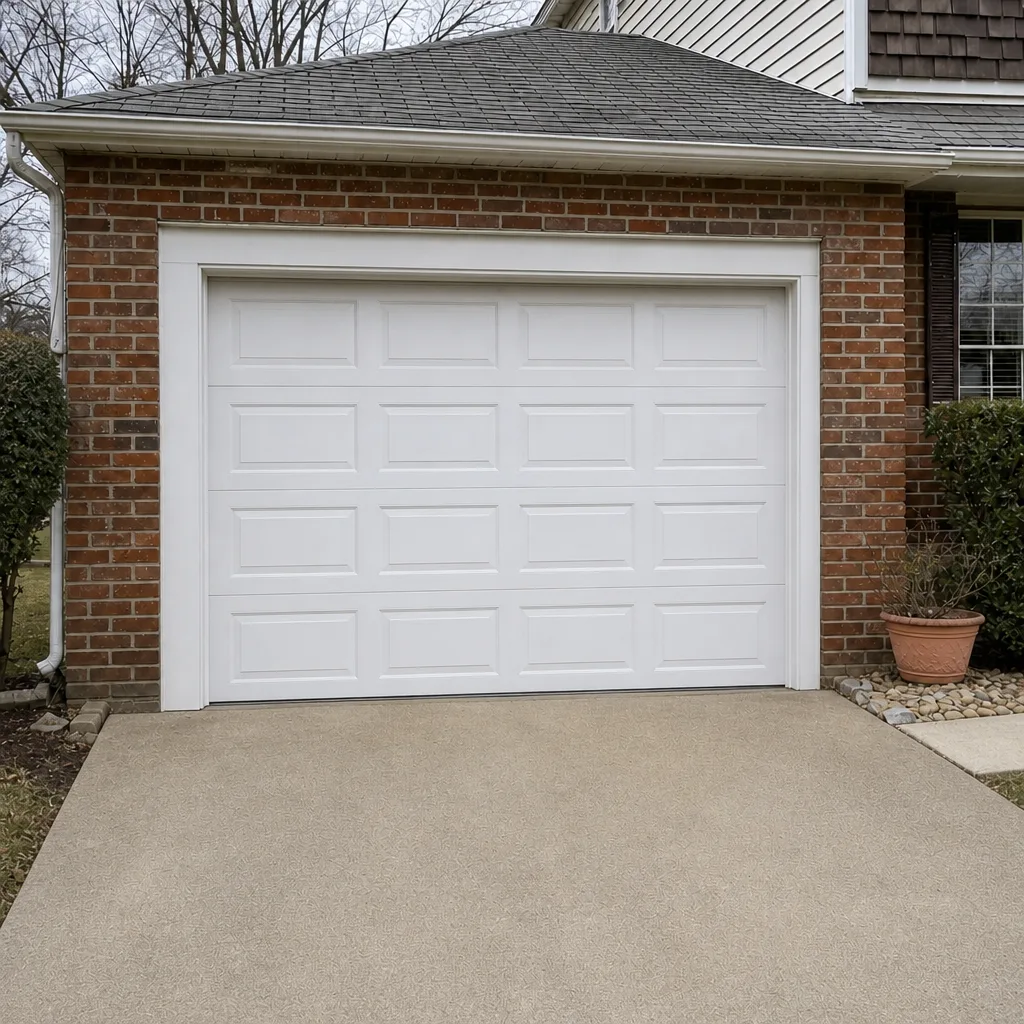
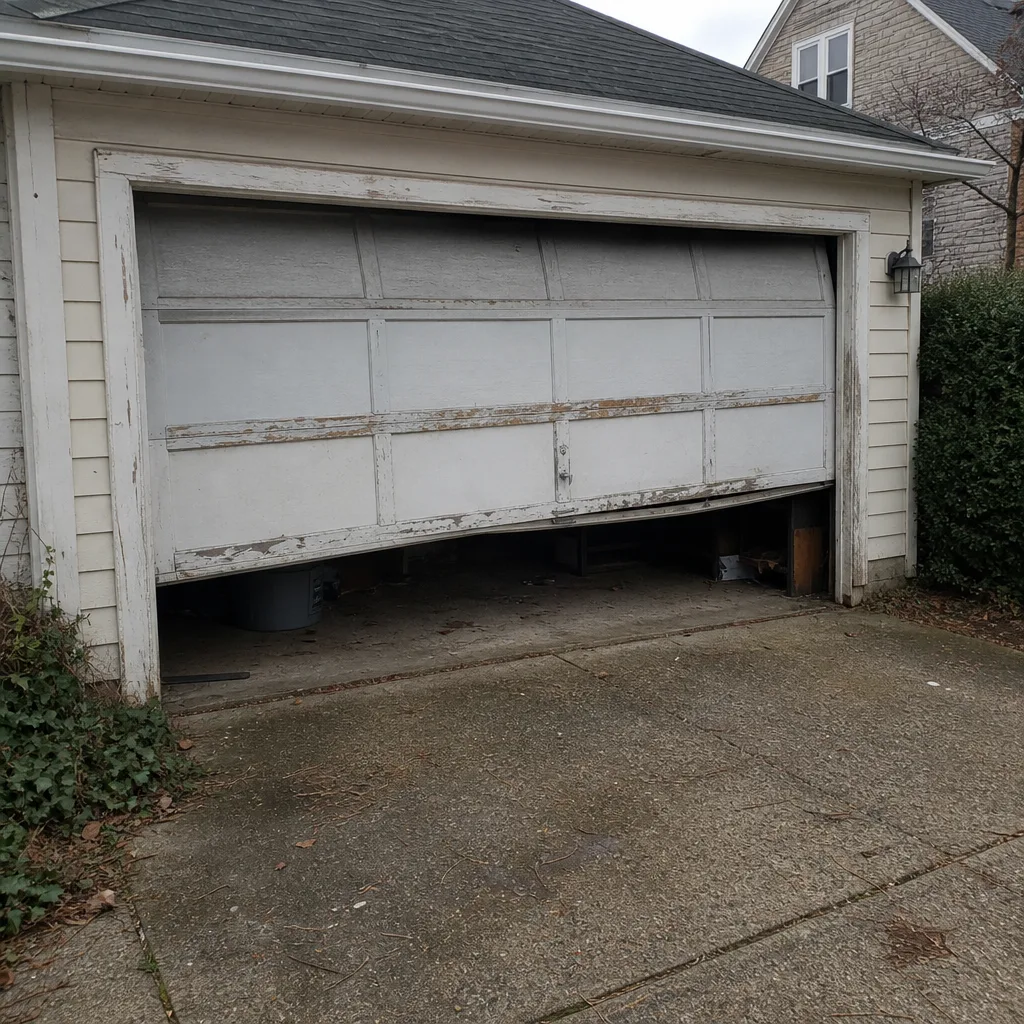
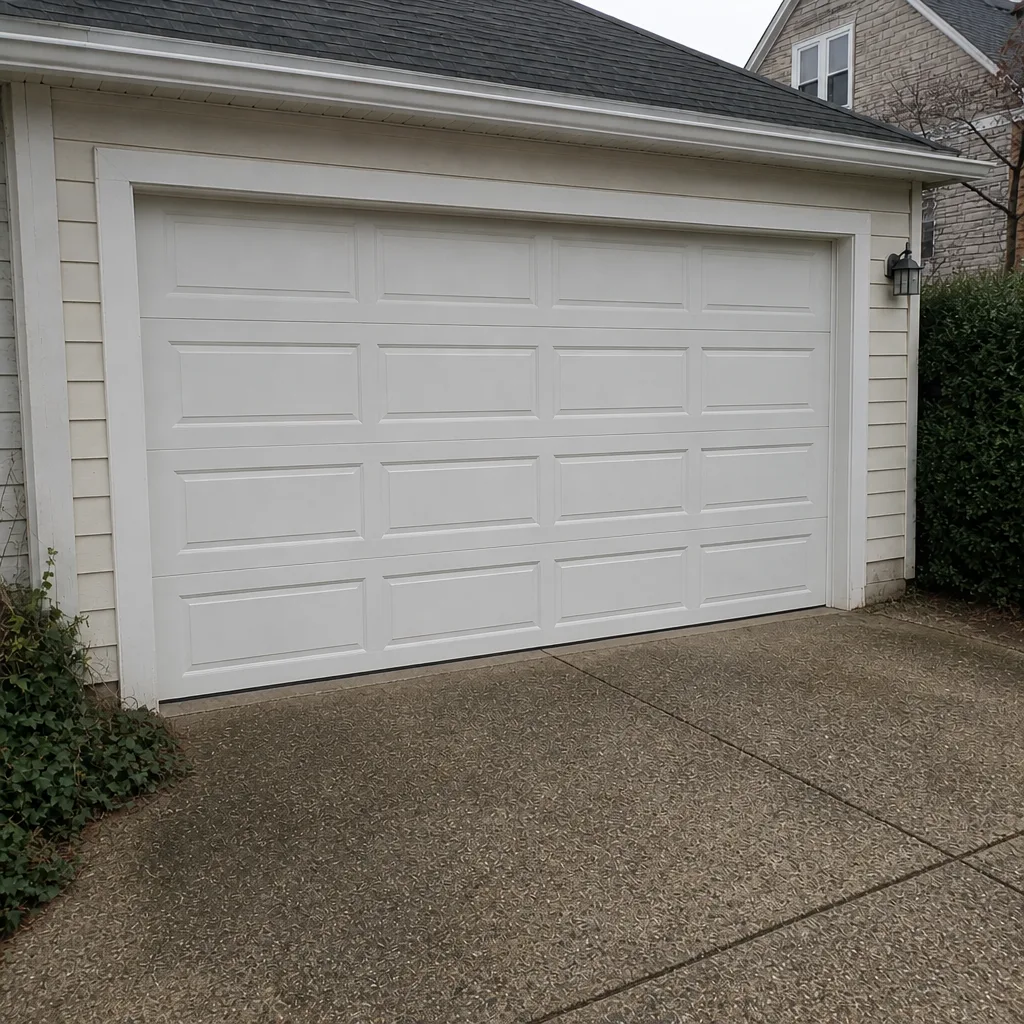
See the difference
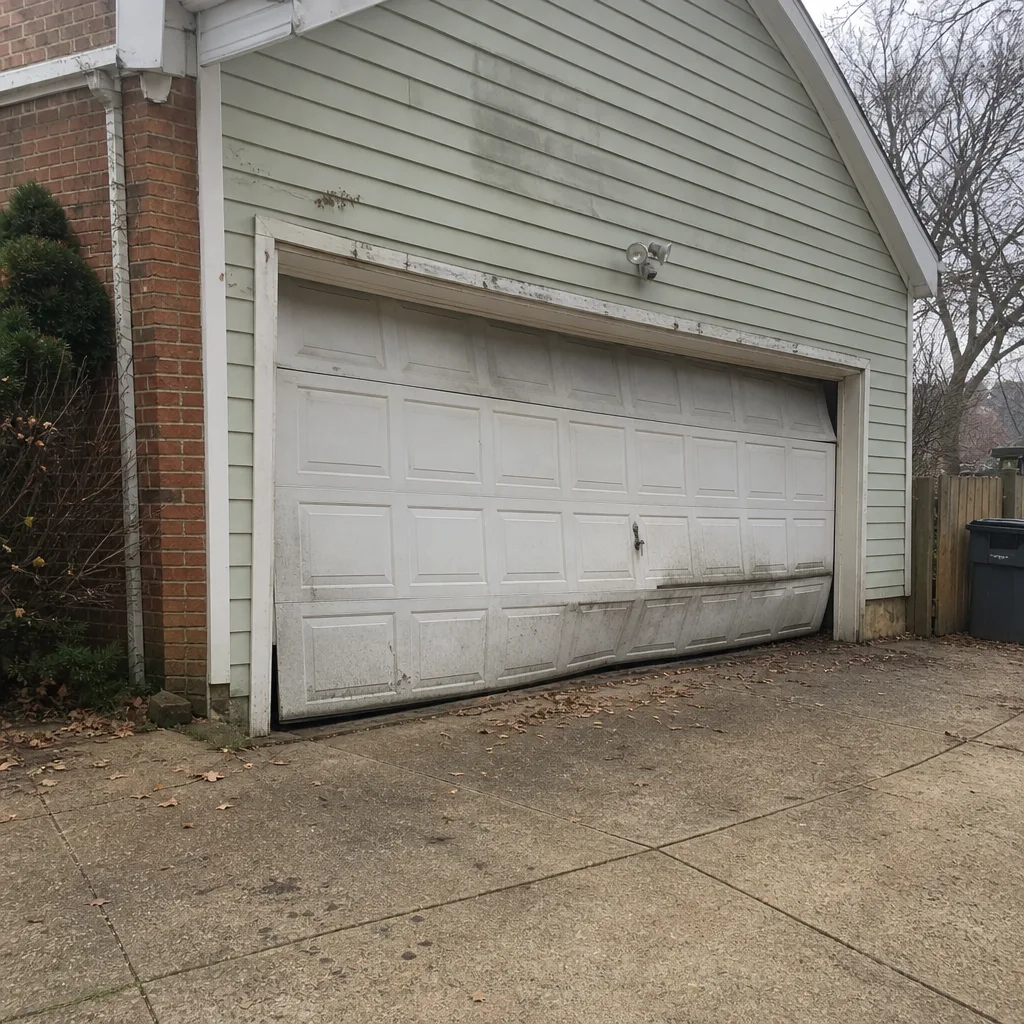 Before
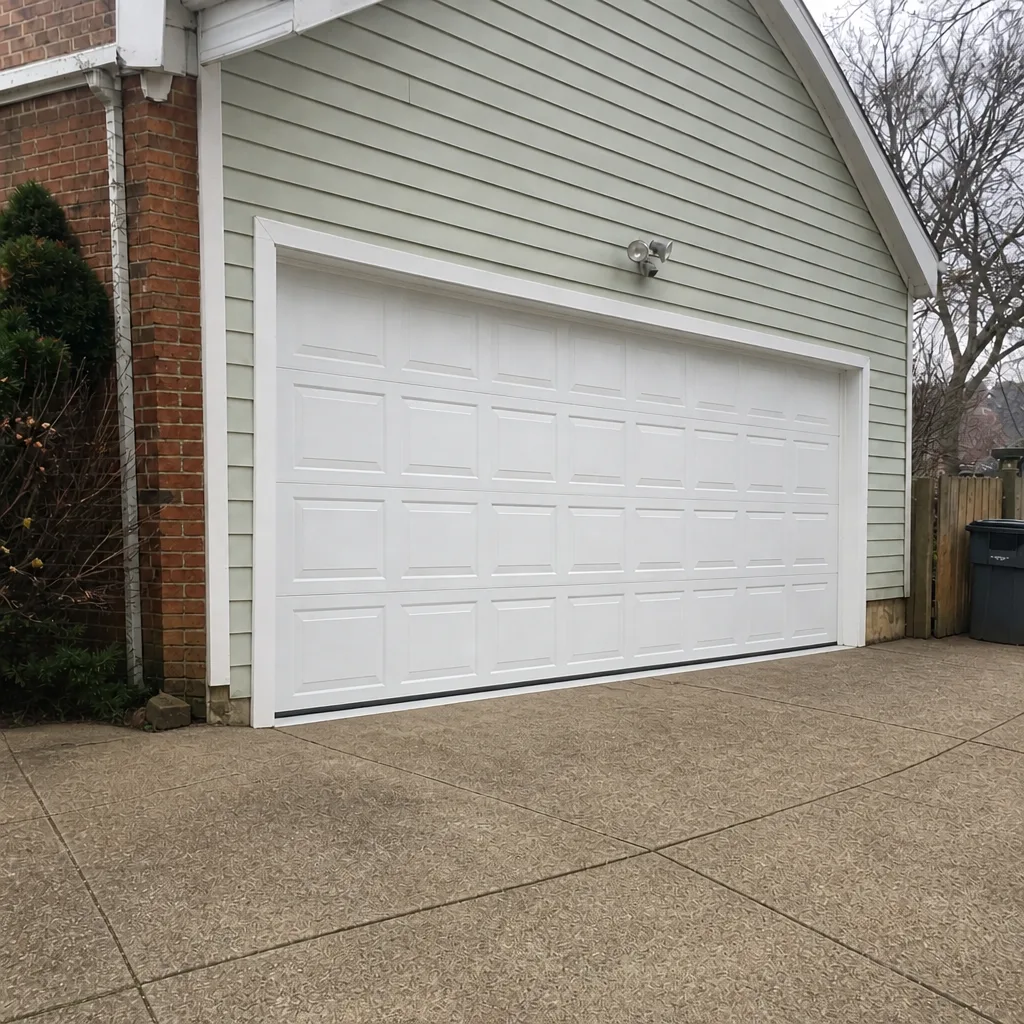 After
 Before
 After
 Before
 After
Frequently Asked Questions
Quarterly is the right interval for most Alexandria homes: springs with white lithium grease, tracks with a light silicone spray, and a drop of machine oil on hinges and roller bearings. Belt drives need no lubrication, and chain drives need only the amount the manufacturer specifies. Over-lubricating is as damaging as under-lubricating, especially on tracks.
No. Torsion springs are under extreme tension, and adjusting them safely requires tools and training specific to the trade. An improperly secured spring can release with enough force to cause serious injury, and a spring that’s misadjusted after a DIY attempt can also void the manufacturer’s warranty. Any visible spring or cable problem should go to a trained professional. Call (833) 508-9704 for an exact quote; estimates are free.
Silicone spray, applied lightly with a rag. Silicone dries clean, resists humidity, and doesn’t collect grit the way oil-based products do. Northern Virginia summers are humid enough that oil on the tracks turns into a grinding paste within a season. Never use WD-40 on tracks.
Disconnect the opener, lift the door to waist height, shoulder height, and just below open, and let go at each point. A balanced door stays where you release it. If it drops or rises on its own, the springs are out of balance and need a professional look. Reconnect the opener only long enough to close the door, then call.
Regular maintenance following the manufacturer’s recommendations protects your warranty, not the other way around. What voids a warranty is using the wrong product (WD-40 on tracks is a common one), painting a door incorrectly, or modifying the opener or track without approval. Keeping records of inspections and professional repairs is the best protection if a warranty claim ever comes up.
Spring repair in Alexandria typically runs $180 to $340 for a single spring, depending on the spring type and door configuration. A matched pair is usually replaced together and runs about twice that. The written estimate sets the price, quoted and agreed before any work begins. Call (833) 508-9704 for an exact quote; estimates are free.
The Bottom Line
A garage door maintenance schedule isn’t about doing everything every month. It’s about doing the right task at the right interval: a ten-minute visual check monthly, lubrication and a balance test quarterly, and a trained inspection annually. The two tests that matter most, the balance test and the force-sensitivity test, catch most developing problems before they become failures. Use white lithium grease on springs, silicone on tracks, nothing on belt drives, and keep the chain drive dry except for what the manual specifies. Document what you find, prep for Alexandria’s humidity and freeze cycles, and hand off spring and cable work every time. If you want a professional inspection or to schedule our Garage Door Repair Alexandria Pros team, call (833) 508-9704 and we’ll take it from there. We answer 24/7. Fast dispatch from 7am to 7pm, Sunday through Friday.
Written by the team at Garage Door Repair Alexandria Pros.